If you’ve ever stood next to a food bagging machine during a busy production shift, you’ve probably wondered why some of these devices are so loud, and what a “normal” noise level even looks like. As a food bagging machine supplier that works with small bakeries, mid-sized snack producers, and large frozen food factories across North America, I get this question all the time—from plant managers worrying about OSHA compliance to operations supervisors wondering if their line is running as it should. Noise isn’t just an annoyance here; it’s a key part of machine performance, worker safety, and even product quality. Today, I’m breaking down what you need to know about food bagging machine noise levels, based on real-world data from the machines we design and install every day. Food Bagging Machine
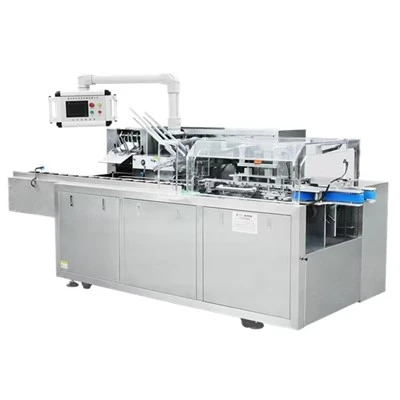
First, let’s ground this in basic acoustics, because noise level isn’t just a number on a meter. We measure sound in decibels (dB), and the scale is logarithmic, meaning a 10 dB jump is twice as loud to the human ear. OSHA, the U.S. Occupational Safety and Health Administration, sets a workplace exposure limit of 90 decibels over an 8-hour shift—any higher, and employers are required to provide hearing protection and monitor exposure regularly. For context, a normal conversation is about 60 dB, a busy restaurant is around 70 dB, and a lawnmower hits about 90 dB. That’s a useful baseline when comparing food bagging machines.
Now, what’s the typical noise level for a food bagging machine? This varies a lot based on the type of machine, the speed it’s running, the type of food it’s handling, and the age of the equipment. Let’s break this down by category, since not all bagging machines are the same.
For semi-automatic baggers—think the smaller units we supply for artisanal cookie producers, bulk nut processors, or craft spice brands—these usually operate between 75 and 85 dB. Why are these quieter? Semi-automatic machines have fewer moving parts, most only need an operator to place the bag under the fill nozzle, trigger the fill cycle, and seal the bag. There’s no heavy conveyor system running at full tilt, no high-speed rotating augers pushing dense food like rice or frozen vegetables, and no compressed air blasts that some automatic machines use to settle product into the bag. A lot of our semi-automatic models have noise-dampening casing around the motor and moving parts, and we calibrate their sealers to avoid sharp, clanking impacts that add to noise. I remember installing a line of these semi-automatic baggers at a small organic granola factory in Vermont last year; their old hand-sealing process was taking 10 times longer, and they were at risk of hitting 90 dB from all the manual bag turning and sealing. The new machines cut their line noise to 80 dB across the whole work station, which meant they only had to offer foam earplugs instead of mandatory hearing protection for their shift workers. That’s a win for both productivity and employee comfort.
Automatic bagging machines, which are what most mid-sized to large food producers use, are a different story. These can run anywhere from 80 to 95 dB, depending on the machine’s speed and features. The highest noise levels come from two parts of the machine: the fill mechanism and the sealing/transport system. If a machine is running at full speed (say, 60 bags per minute for frozen vegetables) and uses a high-speed auger to push dense, granular product, that auger’s vibration and impact as it fills the bag can add 10 dB right there. Compressed air systems, which many automatic baggers use to clear the fill nozzle between bags or to stretch flexible film over the bag opening, also create sharp, sudden blasts that spike noise levels. Some of the older automatic machines we’ve seen on secondhand markets are even louder—we once tested a 15-year-old bagging machine at a potato chip factory that hit 98 dB at full speed, which was well over OSHA’s limit. That factory ended up replacing those old units, and the new models we installed for them run at 87 dB, cutting their noise exposure by more than half.
Wait, there’s another big factor most people don’t talk about: the type of packaging material being used. If a producer is using rigid packaging, like gusseted poly bags or stand-up pouches, the noise is different than if they’re using thin, stretchy film. Thin film tends to vibrate more as it’s fed through the machine, creating a higher-pitched noise that’s more fatiguing to the human ear, even if the dB level is lower. We had a client that switched from thin plastic bags to thicker, reinforced poly bags for their tortilla chips a few months back, and their machine’s noise dropped by 7 dB immediately. The thicker film absorbs more vibration, so the motor and moving parts don’t transfer as much sound. That’s a small adjustment, but it makes a huge difference for workers who are around the machine all day.
Now, why does this matter beyond OSHA rules? For one, excessive noise at work leads to hearing damage over time, but it also impacts productivity. Studies consistently show that high noise levels increase error rates—workers are more likely to misread labels, miss product clogs in the line, or get distracted if their work environment is loud. I’ve seen this firsthand with a client that had their line running at 94 dB; they were having 2x more product mislabeling errors than a nearby factory with a 85 dB line, and workers were taking more breaks to leave the noisy area. Cutting their noise level to 88 dB fixed that issue almost overnight. Noise also wears on the machine itself, too. Excessive vibration from loud moving parts can loosen bolts, wear down seals, and cause the machine to need repairs more often. If a bagging machine is running louder than it was when it was new, that’s a sign something’s off—a loose part, a clogged filter, or a worn motor that needs to be serviced.
At our company, designing machines with controlled noise levels is a top priority, not an afterthought. We use noise-dampening polymer casings around all moving components, variable speed motors that adjust based on the product being bagged (so you don’t run at full speed when you don’t need to), and soft-seal technology that replaces sharp mechanical impacts with pressure-based sealing. We also test every machine we build at our factory, using calibrated sound level meters to measure noise at three feet from the machine (the standard distance for workplace noise testing) and at the operator’s station. For every machine we sell, we provide a noise level certificate, so clients know exactly what to expect before installation. We also offer retrofits for older machines that are running too loud—adding new dampening parts, servicing motors, and adjusting fill cycles to cut noise without sacrificing speed or efficiency.
I want to be honest, though: there’s no way to make a food bagging machine completely silent. These machines move heavy product, seal thick film, and run at high speeds, so some noise is unavoidable. The goal is to keep that noise within safe, comfortable levels that protect workers and keep operations running smoothly. If you’re a plant manager reading this, and you’re concerned about the noise level of your current bagging machine, there are a few quick checks you can do: first, use a basic sound level app on your phone (they’re not 100% accurate, but they’ll give you a rough idea) to measure noise at your operator’s station. If it’s over 90 dB, it’s worth looking into solutions. Second, check if the machine has been serviced recently—clogged filters, worn belts, or loose parts can add 5-10 dB of noise without you noticing. And third, think about whether your packaging material is contributing to the noise; switching to thicker, more rigid film often helps.
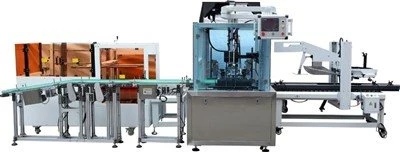
At the end of the day, a food bagging machine’s noise level is a reflection of how well it’s designed, maintained, and matched to your specific product. We don’t just sell machines that can bag as many products as possible; we build machines that work for your team, too—ones that keep noise levels safe, make operations easier, and reduce long-term costs from repairs and employee turnover. If you’re in the market for a new bagging machine, or you want to find out how we can lower the noise level of your current line, feel free to reach out to our team to talk through your needs. We work with producers of all sizes, so no matter if you’re a small artisanal bakery or a large frozen food facility, we can help you find a solution that fits.
Daily Product Boxing Machine References
- Occupational Safety and Health Administration. Noise and Hearing Conservation. U.S. Department of Labor.
- Food and Drug Administration. Processing Equipment for Food Facilities. FDA.
- National Institute for Occupational Safety and Health. Noise Exposure Criteria. CDC.
- Packaging Machinery Manufacturers Institute. Sound Level Testing for Industrial Processing Equipment.
- Journal of Food Engineering. Noise Characteristics of Food Processing Machinery and Impacts on Worker Productivity.
Zhejiang Tuoyu Packaging Machinery Co., Ltd.
Zhejiang Tuoyu Packaging Machinery Co., Ltd. is one of the most professional food bagging machine manufacturers and suppliers in China. With abundant experience, we warmly welcome you to wholesale durable food bagging machine made in China here from our factory. Good service and quality products are available.
Address: Workshop No.12, No.11-19, Xinbin Road, Binhai New Area, Pingyang County, Wenzhou City
E-mail: 15868789201@163.com
WebSite: https://www.tuoyupack.com/
