Hey folks, if you’re in the market for fabricated stone—whether you’re a contractor stocking up for a kitchen remodel, a homeowner weighing countertop options, or just someone curious about the stuff you see on millions of vanities and island tops—you’ve probably asked a pretty practical question: What’s the weight of fabricated stone per square foot? As a fabricated stone supplier who’s spent years hauling slabs, helping guys figure out load limits, and fielding questions from folks who thought it’d be heavier (or lighter) than it is, I’m here to break this down straight, no fancy jargon, and answer that exact question. No fluff, just the real deal. Fabricated Stone
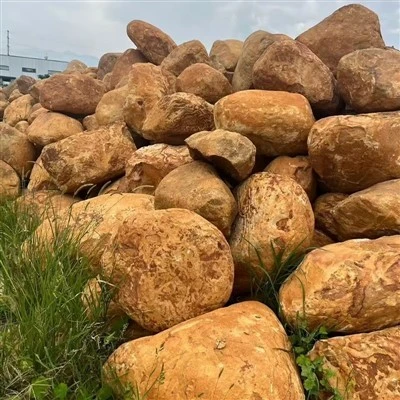
First off, let’s cut through the confusion. Fabricated stone isn’t a single product— it’s a catch-all term for engineered stone, quartz, composite stone, and even the slabs we cut from natural stone (like granite) and finish in our shop. That means weight can shift a little depending on the type, but there’s a solid baseline you can bank on. Let’s start with the most common products we sell here at the shop, since that’s what most people are actually working with.
The big one everyone asks about first: engineered quartz. That’s the stuff you see everywhere now— it’s 90-something percent crushed natural stone mixed with resin, pigments, and binders, pressed into slabs, and finished to look smooth or textured. For a standard 3⁄4-inch thick quartz slab, the weight works out to about 18 pounds per square foot. Wait, 18? That sounds lighter than I expected when I started out, right? Let’s prove that quick: a 12×12 inch piece (one square foot) of 3⁄4-inch quartz is just a little bigger than a standard notebook, and if you hold it, it’s heavy but not awkwardly so. Compare that to a 12×12 inch granite slab, which is another common fabricated stone we cut here. Natural granite, when we finish it down to that same 3⁄4-inch thickness, clocks in at roughly 20 pounds per square foot. Why a little heavier? Because granite is a denser natural stone, no resin to lighten it up like quartz has.
Wait, but hold on— thickness matters a lot here. Not every fabricated stone is 3⁄4 inches thick. Some thinner slabs are 1⁄2 inch, mostly used for backsplashes, thin bathroom vanity tops, or even wall cladding that doesn’t need to support much weight. That 1⁄2-inch quartz? That’s only about 12 pounds per square foot. 1⁄2-inch granite? Around 13 pounds. If you’re going thick for a commercial project, like a restaurant bar or a heavy-duty outdoor countertop, we can do 1 1⁄4-inch slabs— that jumps up to 30 pounds per square foot for quartz, 33 for granite. That’s a big difference, and that’s why people mess this up all the time. If someone buys a 1⁄2-inch quartz slab thinking it’s the same weight as the 3⁄4-inch stuff, they’ll be shocked when they try to lift a full 10-foot section.
Now, let’s talk about other types of fabricated stone, because not every project uses quartz or granite. We also carry solid surface composite, like Corian (though we call it solid surface here, since we work with a bunch of brands, not just one). Solid surface is a mix of acrylic and natural minerals, super flexible, easy to repair, and it’s lighter than both quartz and granite. A 3⁄4-inch solid surface slab is only about 13 pounds per square foot. That’s why solid surface is so popular for curved vanities or seamless sinks— it’s light enough to shape without special heavy equipment, which is a huge plus for small renovation jobs.
Another one: porcelain tile that’s fabricated into slabs, sometimes called porcelain engineered stone. It’s super dense, same as ceramic tile but pressed way thinner and stronger. A 3⁄4-inch porcelain fabricated slab hits around 23 pounds per square foot— that’s the heaviest of the common ones we stock. We use this mostly for outdoor kitchen countertops, pool decks, or high-traffic commercial spaces because it’s scratch-resistant and doesn’t stain, even when it’s wet.
Now, why does this weight matter, anyway? I get calls every week from contractors saying they thought their kitchen counter would fit on their existing cabinets, but the cabinets couldn’t handle the extra weight. Let’s do a quick example: a standard 10-foot kitchen island, 2 feet deep, that’s 20 square feet. If it’s 3⁄4-inch quartz, that’s 20 x 18 = 360 pounds. That’s manageable for most standard cabinets, but if someone used 1 1⁄4-inch porcelain, that’s 20 x 23 = 460 pounds— suddenly you might need to reinforce those cabinets. For a bathroom vanity, a 4-foot by 2-foot top is 8 square feet. 1⁄2-inch quartz is 96 pounds, which is totally fine, but 3⁄4-inch granite is 160 pounds— that’ll feel heavy, and you have to make sure the vanity base is rated for that weight, no flimsy particle board bases here.
I see a lot of home renovators skip measuring weight and end up with a big, expensive problem. Last year, a guy from out of state ordered a 12-foot granite countertop for his basement bar, didn’t check the weight, and his old 1990s cabinets bowed so bad he had to replace them mid-project. That’s avoidable stuff, right? So if you’re not sure, just ask your fabricator (that’s us, by the way) to double-check. We’ll even send you a breakdown per square foot, or tell you how much a full slab weighs (a standard slab is about 10-12 square feet, so multiply that number by 10 to get a rough slab weight— 10 square feet of 3⁄4-inch quartz is around 180 pounds, which is easy for two guys to carry, but 12 square feet of 1 1⁄4-inch granite is almost 400 pounds, so you need a lift, no way around it).
Wait, but what about “manufacturer variations”? Some brands of quartz are a little denser than others. We carry three different quartz lines, and one of ’em is about a pound heavier per square foot than the other two— barely noticeable for small jobs, but if you’re ordering 500 square feet for a commercial office break room, that adds up fast (500 extra pounds, which is the weight of a full grown adult). That’s why we don’t just guess the weight— we check the actual density of the slab when it arrives, so we can give you the right number. No generic online calculator works here, because every product is different.
Also, let’s clear up a myth: some people think all fabricated stone is lighter than natural stone, but that’s only true if it’s the same thickness. A 1-inch quartz slab (which we rarely stock, but it’s out there) is heavier than a 3⁄4-inch granite slab. That’s why thickness is non-negotiable. If a salesperson tries to tell you “all fabricated stone is 18 lbs per sq ft” without asking about thickness, they’re not doing their job. We always ask: what’s the project? Countertop? Backsplash? Outdoor? That tells us what thickness you need, and then we give you the weight.
Another thing to consider: edging and cutouts. A countertop with a waterfall edge, a cutout for a sink, or a mitered edge is going to remove some material, so the total weight is a little less than the full square footage. For example, a 4×2 vanity top with a sink cutout might be 7.5 square feet instead of 8, so subtract a few pounds there. It’s not a big deal for small jobs, but for large commercial projects with multiple cutouts, it adds up. We factor that into the weight when we quote, so you don’t get a surprise.
Now, let’s get to the “so what do I do now?” part. If you’re planning a project, don’t just look up a random number online. First, decide what type of fabricated stone you want: quartz, granite, solid surface, porcelain? Then, pick the right thickness for your use. If it’s a residential kitchen or bathroom, 3⁄4 inch is standard. If it’s a backsplash, 1⁄2 inch is fine. If it’s commercial or outdoor, go 1 1⁄4 inch. Then, add those numbers together: for quartz, multiply 18 lbs per sq ft by your square footage, for granite 20, solid surface 13, porcelain 23. That’s your rough total weight. If that number is over 400 pounds for a single section, definitely check with a contractor to make sure your base can handle it.
Wait, I should mention: we also handle cut-to-size fabricated stone, so if you’re a DIYer working on a small project, you don’t have to buy a full slab. That means you can get a 2×2 foot piece of 3⁄4-inch quartz, which is 72 pounds— light enough for one person to carry, no helper needed. But even then, when you’re installing it, you have to remember that that weight is distributed over the entire base, not just on the edges. That’s another mistake people make: setting a heavy countertop on just two supports, instead of lining the entire base with plywood to spread the weight.
A lot of folks ask me if weight affects durability too. For the most part, no— the density that makes a slab heavier also makes it more resistant to scratches and impacts, within reason. A 1 1⁄4-inch porcelain slab is heavier, but it’s way more likely to hold up to a dropping cast iron pan than a thin 1⁄2-inch solid surface. So there’s a trade-off, but it’s not just weight for weight’s sake.
Let me wrap this up, since I know you’re probably here to get to the point. The takeaway: fabricated stone weight per square foot depends on three main things: type of stone, thickness, and any cutouts or edging. For the most common residential use— 3⁄4-inch quartz or granite— you’re looking at 18-20 lbs per sq ft. Thinner is lighter, thicker is heavier, other stone types are a little different. Don’t rely on generic online numbers— talk to someone who works with fabricated stone every day, like us, to get the exact weight you need for your project.
And if you’re ready to get quotes, pick a slab, or just want to confirm the weight for your specific project, don’t hesitate to reach out. We’ve been doing this for years, we haul our own slabs so we know exactly what we’re talking about, and we’ll answer every question you have— no pressure, no sales pitches, just straight info to make your project go smooth. No guessing, no surprises.
Oh, and one more quick tip: when we’re shipping slabs, we factor in weight to make sure we have the right equipment to deliver them safely, so you don’t have to worry about getting a heavy slab that we can’t get through a doorway or up stairs. We’ve got the right dollies and the experience to handle it, so that’s part of the service too.
At the end of the day, weight might seem like a boring number, but it’s one of the most important parts of your project. Too light and the slab might flex or crack; too heavy and you’ll end up fixing cabinets or reinforcing walls, which is way more expensive than getting the right slab from the start. We make it our job to get that number right for every customer, every single time.

If you’re planning a fabricated stone project, just connect with us to chat through your needs— we’ll go over the weight, the thickness, the type of stone, and make sure everything fits your space and your budget. No hassle, no confusing terms, just the info you need to make the right call.
Landscape Boulders References
- National Kitchen and Bath Association. (2022). Engineered Stone Countertop Specifications and Weight Guidelines.
- Stone World Magazine. (2021). Comparative Density and Weight Analysis of Common Fabricated Stone Products.
- Quartz Manufacturers Association. (2023). Product Thickness and Weight Standards for Engineered Quartz Slabs.
- Solid Surface Fabricators Association. (2020). Material Weight Data for Composite Solid Surface Products.
Xinglong Landscape Greening Co., Ltd.
We are one of the most professional fabricated stone manufacturers and suppliers in China, also support customized service. We warmly welcome you to wholesale bulk high quality fabricated stone in stock here from our factory. If you have any enquiry about pricelist, please feel free to email us.
Address: Xiaoluli Natural Village, Wutongshan Village, Meishan Town, Changxing County, Huzhou City, Zhejiang Province
E-mail: 18667092034@163.com
WebSite: https://www.xinglonggreen.com/
