Hey everyone, if you’ve ever worked with empty coffee drip bags—whether you’re a café owner, a home roaster, or even a small-scale distributor—you’ve definitely run into that annoying problem: what do you do with the unused ones before you need to package them for orders? Trust me, I’ve been in this game for years now, running a supplier that’s all about these little coffee heroes, and I’ve seen way too many people mess up their storage and end up with bags that smell weird, get damaged, or just don’t perform as well when they’re ready to be filled with great coffee. Today I’m breaking down exactly how to store empty coffee drip bags the right way, no fancy lab gear required, just practical stuff I’ve learned from trial and error (and from helping hundreds of customers fix their storage issues over the years). Empty Coffee Drip Bag
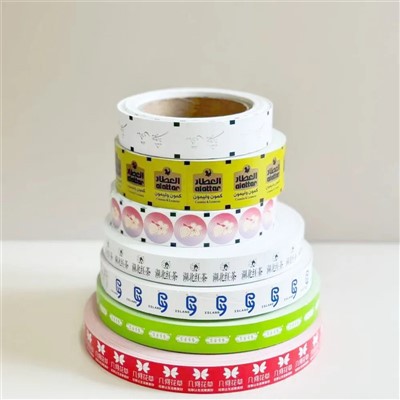
First off, let’s get one thing straight: empty coffee drip bags aren’t just random plastic sachets. They’re made with specific materials—usually food-grade paper, non-woven fabric, and sometimes a tiny plastic lining to keep coffee fresh later. Those materials react to the environment way more than you might think. I once had a customer who stored a pallet of our empty bags in a damp garage, and when they finally opened them, they smelled like moldy basement. That’s not a smell anyone wants their fresh coffee to take on, right? So the first rule is controlling the environment around your bags, and that starts with the basics.
Let’s talk about moisture first—this is probably the biggest enemy. Coffee (even empty drip bags) is porous, which means it soaks up moisture like a sponge. If there’s even a little humidity in the air where you keep them, over time that moisture weakens the material, makes the bags hard to seal, and worst of all, can lead to mold or mildew growing on the paper or fabric. I recommend a relative humidity level of under 50% for storage. How do you check that? You don’t need a fancy hygrometer if you’re on a budget—keep an eye on your space. If you notice condensation on windows in your storage area, or if the air feels sticky when you walk in, that’s way too much humidity. For most small operations, a cheap dehumidifier works wonders. I’ve had customers use the small ones you get for closets, and they’ve cut their storage issues by like 80% immediately.
Next, temperature. I know it’s tempting to stick boxes of bags in a warm back room or even near a heater in the winter, but heat breaks down the materials in the bags. The adhesives used to seal the drip filters can get gummy or melt if it’s too hot, and the paper can start to curl or warp. The sweet spot is between 15–25°C (that’s 59–77°F for my US peeps). If you’re storing a large quantity, like a pallet, don’t put it near any external heat sources—radiators, ovens, even sunlight coming through a window. Sunlight is another big one; UV rays can fade the printing on the bags and also break down the fabric over time. So keep your storage space dark, no exposed light bulbs that are on 24/7, and definitely don’t stack bags near windows.
Now, how do you actually package the bags when you’re storing them? A lot of people just leave them in the original box they come in from the supplier, but wait—those boxes are meant for shipping, not long-term storage. If your boxes are open, or even if they’re closed but not airtight, you’re still at risk for moisture and dust getting in. I always tell customers that once they receive a shipment of empty drip bags, they should transfer them to airtight containers. What kind? Mason jars work great for small batches, or if you’ve got a lot, those plastic storage bins with rubber seals (the ones that are labeled airtight) are perfect. Make sure the containers are completely clean and dry before you put the bags in—any leftover moisture in the bin will mess everything up. Also, don’t overpack them! If you cram too many bags into a container, you might crease or tear them, and creased bags are way harder to unfold correctly when you’re ready to use them.
Wait, what about using vacuum-seal bags? I’ve had people ask me this all the time. For some products, vacuum sealing is great for long-term storage, but for empty coffee drip bags, it can actually be a problem. The vacuum pressure can make the thin fabric or paper too stiff, and when you go to unfold the bag, it might not spring back into that perfect cone shape you need for brewing. It’s better to go with just airtight, slightly loose storage, not fully vacuumed. That’s a tip most other suppliers won’t tell you, I learned it after a customer tried vacuum-sealing and ended up with a whole batch of unusable bags.
Another thing people overlook: odors. Empty coffee drip bags are pretty absorbent, so if you store them near anything that has a strong smell—cleaning supplies, spices, even other coffee beans—they’ll soak that smell right up. I once had a café customer who kept their bags next to a container of cinnamon for their seasonal lattes. When they used the bags, every cup of coffee tasted like cinnamon, and they had to throw out a whole week’s worth of brews. Don’t make that mistake. Store your bags away from any strong-smelling items, and if you’re using a storage bin, make sure it doesn’t have any leftover smell from previous items (wash it with mild soap and dry it completely before using it for bags).
What about the different types of empty drip bags? Like, are there different storage rules for single-serve vs. bulk bags? Honestly, not much difference, but let’s break it down. If you’re storing single-serve empty bags (the little individual ones that get packed for retail), you want to keep them in their sealed plastic packaging until you’re ready to put them in the airtight storage bin. That extra plastic layer gives them a little extra protection against moisture. For bulk bags—like when you get 1000 bags in a big roll or box—just make sure you unroll them gently, don’t yank or fold them too tightly, and store them in a way that they don’t get creased. I always tell bulk customers to roll the bags loosely instead of folding them when putting them into bins. Folds create weak points that can tear or seal wrong later.
Now, how long can you actually store empty coffee drip bags before they go bad? That’s a common question. If you follow all these rules—low humidity, cool temperature, airtight storage, no strong odors—you can store them for up to a year and they’ll still work perfectly. If you skip some steps, like storing them in a damp basement, they might only last a few months before they’re ruined. I always recommend not ordering more than you can use in 6 months, if possible. Fresh bags seal better, unfold easier, and give your brewed coffee that clean taste everyone loves. Why waste money on bags that are going to go bad before you even use them?
Wait, let’s talk about common mistakes I see all the time. First, storing bags in the same room as coffee beans. Even if the beans are sealed, they release a tiny bit of moisture and odor that will affect the bags. Second, not labeling your storage containers. It sounds silly, but if you have different batches of bags, you might forget which ones you got first, and that leads to using older bags later. Label each container with the date you received the bags, so you can practice first-in, first-out rotation. Third, checking on your bags too rarely. Even if everything seems fine, it’s good to open your storage containers and take a look every month or so. Make sure there’s no condensation, no weird smells, no mold starting. A quick check once a month can save you from losing a whole batch of bags later.
And what about if you’ve already made a mistake and your bags are smelling or getting damp? Don’t panic. If they’re just a little bit humid, you can lay them out in a single layer on a dry, clean surface (like a countertop) in a cool, dry, well-ventilated area for a few days. Don’t put them in the sun or near a heater, just let them air out slowly. If they have a moldy smell, though, it’s probably best to toss them—you don’t want that in your coffee. I’ve had customers try to salvage moldy bags and end up ruining an entire batch of coffee, so it’s not worth the risk.
Now, let’s get real. If you’re a business that uses a lot of empty coffee drip bags, storage can feel like a chore, but it’s such a small step that saves you from wasting money and dealing with headaches. I’ve worked with everything from tiny home roasters who order 100 bags at a time to big café chains that order 10,000 a month, and the ones that follow these simple storage rules never have issues. The ones that cut corners? They always come back to me complaining about ruined stock, and I’d rather help you avoid that hassle than just sell you more bags.
If you’re here because you need empty coffee drip bags in the first place, we’ve got you. We supply high-quality, food-grade bags that are designed to hold up well in storage if you follow these tips, and we ship them straight to you no matter how big or small your order is. Whether you’re a one-person operation or a large brand, we can hook you up with the right bags for your needs, and we’re always here if you have more questions about storage, use, or anything coffee drip bag related.

If you’re ready to talk about ordering, don’t hesitate to reach out. We’re here to help you get the best product for your coffee, and we’re happy to answer any other questions you have along the way. Don’t let bad storage ruin your empty drip bags—follow these steps, and your bags will be ready to turn great coffee into perfect single-serve brews every time.
Outer Package References
- Coffee Packaging and Storage Guidelines, Specialty Coffee Association of America, 2022
- Food-Grade Flexible Packaging Material Stability, Packaging Technology and Science, Vol. 35, 2021
- Humidity Control for Food Storage, National Food Protection Association, 2023
Hangzhou Wish Import & Export Trading Co., Ltd.
As one of the most professional empty coffee drip bag manufacturers and suppliers in China, we’re featured by quality products and good price. Please rest assured to wholesale bulk cheap empty coffee drip bag made in China here from our factory. Customized orders are welcome.
Address: Room 418, Yilong Business Building, Shangcheng District, Hangzhou City, Zhejiang Province
E-mail: chris@hzwishpack.com
WebSite: https://www.ecopacky.com/
