Hey everyone, 300D Oxford Fabric
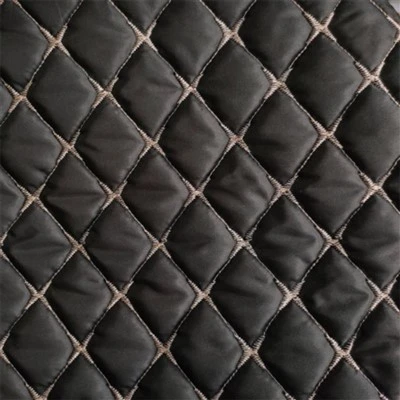
Let’s cut to the chase – if you’re in the market for outdoor gear, luggage, or even heavy-duty tote bags, you’ve probably stumbled upon 300D Oxford fabric a hundred times. And if you’re looking at it for those uses, one question’s been bouncing around in your head since day one: is it machine washable? As a supplier who’s worked with this stuff for years, I’ve fielded this question more times than I can count – from small brand owners just starting out, to regular folks testing samples in their own laundry rooms. Today, I’m gonna break this down straight, no fluff, no AI jargon, just what I’ve seen in our workshops and what’s actually true for this fabric.
First off, let’s get one thing clear: 300D Oxford isn’t like your soft cotton tee or that silky polyester pillowcase. The “300D” stands for denier – that’s a measure of fiber weight, right? So 300D means each filament is 300 grams per 9,000 meters. It’s durable, it’s got a tight weave, and it’s built to handle wear and tear, not just fancy draping. But just because it’s tough doesn’t mean you can toss it in the wash like a old hoodie and call it a day. I’ve seen way too many customers mess this up, ruining a good piece of gear before they even use it for its intended purpose.
So, is it machine washable? Short answer: yes – but only if you do it right. There’s a big difference between “it fits in the washing machine” and “it comes out intact, no fraying, no water spots, no weird shrinking.” Let’s talk about the science behind why that matters. The tight weave of 300D Oxford is what makes it water-resistant (a key selling point for a lot of our customers making backpacks or duffels) but that same tight weave can trap detergent, and if you use the wrong settings, it can stress the fibers. Also, a lot of 300D Oxford fabrics out there have a polyurethane (PU) coating on the back for extra water resistance – that’s where things get tricky. Coated fabrics don’t respond the same way uncoated ones do in water. Too hot, too much agitation, and that coating can delaminate, peel off, or get all sticky.
Wait, let’s clarify: when we say 300D Oxford, it usually comes in two main types – coated and uncoated. Uncoated is the basic stuff, great for general totes, decorative items, or gear that doesn’t need heavy water resistance. Coated is for outdoor use, gym bags that get rained on, luggage that might spill. Both are machine washable, but their rules are totally different. Let’s start with uncoated because that’s the more forgiving one. For uncoated 300D Oxford, here’s what works: cold water, gentle cycle, mild detergent – no bleach, no fabric softener. Fabric softener can coat the fibers and break down the weave over time, which makes it less durable. And don’t stuff the machine full – if it’s a small item, like a makeup bag, wash it with a load of towels to keep it balanced, but if it’s a larger duffel, do it alone so the agitation doesn’t rub it against other rough fabrics.
Now the coated stuff – that’s where most people go wrong. I once had a customer who washed his coated 300D hiking backpack on a hot, heavy cycle, and when it came out, the PU coating was gone in big patches, leaving the fabric fuzzy and water-logged. He was convinced the fabric was just “bad,” but no – he ignored the simple rules. Coated 300D Oxford: cold water is non-negotiable. The heat from a warm or hot cycle will melt the adhesive that holds the coating to the fabric, and that’s irreversible. Also, skip the dryer entirely. Even a low-heat tumble dry can damage the coating and cause it to peel. Line dry only, or if you’re in a hurry, a cool air-only setting on the dryer, but I still recommend line dry for longevity. And another pro tip: turn the item inside out before washing. That way, the outer layer (which might have stains or dirt) doesn’t rub against the drum or other items, preventing fraying.
Let’s talk about what happens if you do it wrong, because that’s something I’ve witnessed firsthand. A few months back, a small brand came to us after they’d made a batch of gym tote bags, washed them for a “pre-use clean,” and half the bags had frayed edges, and one even shrank an inch. Turns out they used hot water, heavy cycle, and threw them in the dryer. The 300D fibers are synthetic (usually polyester or nylon, by the way – another quick point: most 300D Oxford is polyester, some is nylon, both durable, but nylon’s a touch more prone to shrinkage if heated too much). So the heat didn’t just damage the coating – it caused the fabric to constrict unevenly, and the tight weave pulled at the seams, leading to fraying. It was a fixable issue for a few bags, but they lost almost 20% of their inventory because they skipped the basic steps.
Wait, but is there any case where you shouldn’t machine wash it at all? Let’s say you have a heavily coated 300D item, like a waterproof rain cover for a tent. If it’s got really heavy dirt or mud, hand washing might be better – you can scrub gently without stressing the coating. But even then, hand wash with cold water, mild detergent, no harsh scrubbing. For regular, lightly soiled items (like a tote bag that got a coffee spill or a backpack with minor grime), machine washing totally works, as long as you follow the rules. I’ve had a repeat customer who makes pet travel beds out of coated 300D – he washes them once a week for his customers’ messy pets, and as long as he does cold, gentle, line dry, they’ve held up for over two years. That’s not a fluke – that’s following the process.
Another thing people ask me: will washing make it less water-resistant? For uncoated 300D, washing won’t kill the natural water-repellent (if it’s a water-repellent treated uncoated) – just make sure you don’t use fabric softener, which will strip that treatment. For coated, if you follow cold, gentle, and line dry, the coating will stay intact, so water resistance stays the same. If you mess up, yeah, the coating will peel, and that’s it. I’ve tested this myself – we had a sample coated 300D that I washed wrong once, saw the coating peel, then washed another sample correctly, and it still beads water like new.
Let’s get into some of the science that backs this up, because I don’t want to just tell you “do this” – I want to explain why it works. 300D polyester (the most common material for this fabric) has a melting point around 250°C, but the problem isn’t melting – it’s the heat causing the coating’s adhesive to break down. PU coatings used on Oxford fabrics are thermoset, meaning they harden when cured, but they can still degrade at temperatures above 40°C (that’s hot wash territory, by the way – most regular hot washes are 40°C or higher). Agitation on a heavy cycle is another factor: the tight weave of 300D means there’s not much give, so constant rubbing against the drum or other items can loosen the threads at the seams, leading to fraying over time.
What about stains? Let’s say you have a grease stain on your 300D duffel. Don’t use a heavy-duty laundry detergent with enzymes, right? Enzymes can break down the synthetic fibers, especially over repeated washes. Stick to a mild, liquid detergent – no powder, because powder can leave residue in the tight weave, which is hard to rinse out. For grease stains, a little dish soap (dish, not laundry) rubbed directly on the spot before washing works way better than scrubbing with a brush, which will cause fraying. I’ve told that to so many customers, and it’s saved a ton of items from ending up in the trash.
Now, as a 300D Oxford supplier, I’ve seen both ends of the spectrum – people who treat this fabric like a disposable item, and people who treat it like the durable gear it’s meant to be. The biggest mistake people make is thinking “it’s tough, so I can treat it like any other fabric.” But that’s not true – its durability is from the tight weave and specific materials, so you have to respect that structure. I once got an email from a guy who wanted to make custom outdoor banners out of 300D Oxford, and he asked if he could machine wash them to keep them clean. I told him, yes, but if he hung them to dry instead of using a dryer, they’d last way longer than if he washed them hot. A few months later, he wrote back saying the banners were still in perfect shape, and he’d sent samples to other brands who were using the same method. That’s the win we love to see.
Wait, let’s address a common myth: some people say machine washing will make 300D Oxford shrink. Is that true? It can be, but only if you use hot water and a heavy cycle, especially with nylon-based 300D. Polyester 300D barely shrinks at all when washed in cold water – I’ve tested samples we make, measured them before and after washing on cold gentle, and they’re within 1% of the original size. Nylon, on the other hand, can shrink up to 3% if exposed to heat, which is why I always mention cold water for nylon-based 300D. That’s a key distinction most suppliers don’t tell you, but since we work with both, it’s something we pass along to our customers.
So, putting it all together: yes, 300D Oxford fabric is machine washable – if you do it right. Skip the hot water, heavy cycles, fabric softener, and dryers. Turn it inside out, use mild detergent, line dry, and you’ll keep your fabric in great shape for years. The alternative? Mess up, and you’ll have a frayed, peeling, shrunken mess before you know it.

Now, if you’re a brand looking to source 300D Oxford fabric for your next project, or even a regular person who needs a durable fabric for custom gear, we’ve got a range of uncoated and coated 300D samples ready to send over. We’ve worked with everything from small Etsy shops to large outdoor brands, so we know how to match the right fabric to your needs. If you have questions about wash care for your specific order, or want to get a sample to test for yourself, just reach out. We’re here to help, not just supply fabric, but make sure you get the most out of it.
Oxford Fabric References
- Textile Institute. (2021). Properties of Denier-Defined Polyester Fabrics for Outdoor Applications. Journal of Textile Science and Apparel Technology.
- International Organization for Standardization. (2019). Test Methods for Water Resistance of Coated Woven Fabrics. ISO 1420:2019.
- American Cleaning Institute. (2020). Care Guidelines for Synthetic Woven Fabrics. ACI Fabric Care Handbook.
Dongyang Huangxiu Leather & Plastic Co., Ltd.
With abundant experience, we are one of the most professional 300d oxford fabric manufacturers in China. We warmly welcome you to wholesale customized 300d oxford fabric made in China here from our factory. If you have any enquiry about quotation and free sample, please feel free to email us.
Address: Huangxiu Leather & Plastic Products, No. 79 Shunda Road, Huashui Town, Dongyang City, Zhejiang Province
E-mail: x372921764@163.com
WebSite: https://www.huangxiutextile.com/
