If you’ve ever used a stainless steel vacuum insulated mug, you’ve probably leaned it against a car cup holder, stuffed it into a backpack, or sipped from it while rushing through a morning errand—only to glance down later and spot a tiny pool of coffee or tea at the bottom. That moment usually sparks the same question: Can a stainless steel vacuum insulated mug actually leak? As a supplier who’s worked with these products for years, I’ve fielded this question from casual customers and wholesale partners alike, and the answer isn’t a simple yes or no. It ties to how these mugs are built, how they’re used, and even the smaller details that separate a good insulated mug from one that lets liquid out. Stainless Steel Vacuum Insulated Mug
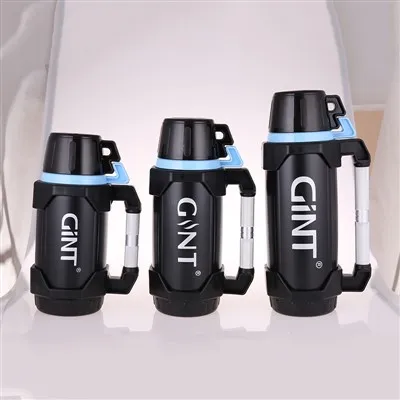
First, let’s break down what makes a stainless steel vacuum insulated mug work in the first place, because that core design directly relates to its potential to leak. The key part is the vacuum layer between two walls of food-grade stainless steel—this empty space eliminates conductive and convective heat transfer, which is why the mug keeps drinks hot or cold for hours. For the vacuum to hold, the two walls are sealed at the base, usually with a hermetic weld, and the top is fitted with a lid that creates an airtight seal. Most leaks don’t come from the vacuum layer itself, though. They come from two areas: the lid assembly or the body’s structural integrity.
I’ve seen this play out hundreds of times. A customer will return a mug saying it “leaks” after being tossed in a gym bag, and when we test it, the fault is almost always the lid. Lids have several small, moving parts: a sipper, a seal ring, a hinge, and often a push mechanism to open the sipper. Over time, those parts can wear down. The silicone seal ring, which fits into the top of the mug’s opening to stop liquid from seeping out, can get stretched, lose its shape, or collect gunk from coffee, tea, or soap residue that makes it hard to form a tight seal. I’ve had customers tell me they hand-wash their lids in hot water with abrasive sponges—scrubbing the seal ring is a quick way to damage it, even if you don’t realize it at the time. That tiny damage is all it takes for liquid to seep out when the mug is tilted.
Another common lid issue is the sipper or vent. Many insulated mugs have a small vent hole in the lid to equalize pressure when you pour or drink; if that hole gets blocked (by coffee grounds, for example), or if the lid isn’t aligned correctly when you close it, pressure inside the mug can build up. Tilt that mug, and the extra pressure forces liquid out through any gap, even a tiny one. I once had a wholesale client whose employees returned a dozen mugs after they leaked during commutes; when we checked, all of them had lids that weren’t clicked into place firmly enough. The workers would screw the lid on until it felt tight, but they didn’t know you have to twist the sipper mechanism to lock it—small, easy-to-mistake details that add up.
Then there are issues with the mug’s body itself. A stainless steel body is tough, but it’s not indestructible. Drop a mug from counter height onto a tile floor, and even if it doesn’t dent badly, the inner and outer walls can shift slightly, or the hermetic weld at the base can develop a micro-crack. That crack won’t affect the vacuum layer (at least not right away), but it can create a gap at the bottom of the mug where liquid can seep out. I’ve seen customers dismiss a small dent as no big deal, only to find that a week later, the mug leaks whenever it’s set down on its side. For suppliers, this is why we emphasize drop testing in our quality control—every mug that leaves our warehouse goes through at least three drops from waist height to make sure the body holds up.
Not all leaks are the mug’s fault, either. Sometimes it’s about how someone is using it. For example, if you fill a mug completely to the top and then seal the lid, there’s no room for air to expand when you put a hot drink in. Leave it in a hot car for an hour, and the liquid expands, building pressure inside the mug. Tilt it, and that pressure has to go somewhere—often through a small gap in the lid. I tell all our customers to leave about a half-inch of space at the top for hot drinks; it’s a small step, but it prevents so many of the “leaking” issues we see. Cold drinks have the opposite problem—if you leave a mug of iced tea in the sun, the ice melts, and the volume increases slightly. If the lid is sealed too tight, that extra liquid can find its way out through any minor seal imperfection.
There’s also the difference between a true vacuum insulated mug and a product that calls itself “insulated” but isn’t. Cheap, thin-walled mugs often use air instead of a vacuum for insulation, or they skip the hermetic weld, leaving tiny gaps in the body. Those gaps might not be noticeable when the mug is new, but over time, they can widen, leading to leaks. I’ve had a customer compare his $10 insulated mug to one of ours; his would leak after a single drop, while ours survived a six-foot drop without a scratch. The cost difference isn’t just about brand—it’s about the quality of materials and construction that prevent leaks.
As a supplier, we’ve also learned that proper care is just as important as the mug’s design. We include care instructions with every order, but I’ve seen how many people ignore them. Dishwashers, for example, can be a problem for insulated mugs. The high heat and harsh detergents can warp the lid’s plastic parts, break down the silicone seal, and even damage the vacuum layer over time. We recommend hand-washing all our mugs, especially the lids, to keep those seals intact. I once had a customer run our mug through the dishwasher, and a month later, it started leaking. When we looked at the seal ring, it was brittle and cracked from the heat—something that would have never happened with hand washing.
Now, let’s get back to the original question: Can a stainless steel vacuum insulated mug leak? The short answer is yes, but not because the vacuum insulation itself fails (that’s a rare issue, usually only from manufacturing defects or extreme, repeated damage). Most leaks are preventable, tied to lid wear, improper use, or lack of care. A well-constructed, high-quality insulated mug, used correctly and cared for properly, will barely leak—if at all—even with regular use.
As someone who’s been in this industry for years, I can say that choosing the right supplier makes a huge difference. A good supplier will test every mug for leaks before it ships, use food-grade stainless steel that’s thick enough to withstand drops, and provide clear care instructions to help you avoid common issues. They’ll also stand behind their products if a manufacturing defect does slip through—something that’s not always the case with cheap, unbranded mugs.
If you’re in the market for insulated mugs for personal use or your business, don’t just look for the lowest price. Check the construction: is the lid a two-part design with a secure seal? Is the body made of 18/8 food-grade stainless steel (the most durable, rust-resistant option)? Do they offer a warranty that covers leaks? These small details are what separate a mug that’s a hassle from one that lasts for years.
At the end of the day, the reason I work with these mugs is simple: they’re reliable when you take care of them. I’ve used the same mug from my supplier for over three years, and it’s never leaked—even when I’ve stuffed it in my backpack, dropped it on concrete, and forgotten to leave space at the top for my morning coffee. The occasional leak I hear about is almost always avoidable, which means you don’t have to deal with a soggy notebook or a messy car seat if you choose a quality product and use it right.

If you’re looking for durable, leak-resistant stainless steel vacuum insulated mugs for personal use, bulk orders, or retail, don’t hesitate to reach out for purchasing and partnership discussions. We’re here to answer any questions about construction, care, or custom orders to make sure you get exactly what you need.
Stainless Steel Vacuum Insulated Mug References
- International Stainless Steel Forum. (2022). Properties of food-grade stainless steel for food and beverage applications.
- Food and Drug Administration (FDA). (2021). Safety of silicone seal rings in food contact materials.
- Journal of Testing and Evaluation. (2020). Drop testing protocols for consumer insulated drinkware.
- National Sanitation Foundation (NSF). (2019). Standard for insulated drinkware design and performance.
Jiaxing Huading Vacuum Flask Technology Co., Ltd.
With abundant experience, we are one of the most professional manufacturers and suppliers of stainless steel vacuum insulated mug in China. Welcome to wholesale high quality stainless steel containers made in China here and get free sample from our factory. We also accept customized orders.
Address: No.628 Xingping First Road Pinghu Zhejiang China
E-mail: yangdongyan@gint.cc
WebSite: https://www.huadingtop.com/
