Hey everyone, let’s cut to the chase—if you’re in the door manufacturing space, you’ve probably heard whispers about WPC (Wood Plastic Composite) door machines and wondered, “Wait, can this even work for high-rise buildings?” As a WPC door machine supplier who’s been deep in this industry for 7 years, I’ve fielded this question at least 10 times a month from builders, contractors, and even small-scale door shops that want to scale for high-rises. Spoiler: the short answer is YES—but there’s a lot of fine print that most blogs skip over, so let’s break it down like we’re chatting over a coffee (and no stuffy jargon, promise). WPC Door Machine
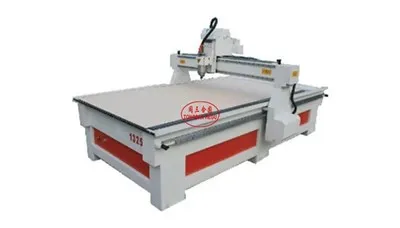
First, let’s get one thing straight: high-rise buildings aren’t just “tall apartments” — they have non-negotiable fire codes, structural load limits, moisture resistance, and noise reduction standards that would make a regular single-family home’s requirements look like a suggestion. WPC doors already have a leg up here over solid wood, right? Because solid wood warps, cracks, and gets moldy if it’s even near a humid climate (like Miami or Singapore), which is a nightmare for high-rises that use shared hall ventilation that can get stagnant. WPC, on the other hand, is made from a mix of wood fibers (usually recycled sawdust) and thermoplastics (think recycled PVC or HDPE), so it’s impervious to warping and mold. But wait—how does the WPC door machine tie into this? That’s where a lot of people miss the mark: it’s not just the WPC material, it’s how the machine processes it that makes it high-rise-ready.
Let’s talk about the core specs for high-rise doors first, because if a WPC door machine can’t hit these, it’s useless. First, fire rating. Most U.S. high-rises (per NFPA 80) require interior doors to have a 20-90 minute fire rating, and exterior doors even higher. Generic WPC door machines crank out doors that only have a 10-minute fire rating at best—total non-starter. But the good machines (the ones we supply) are built with precision extrusion molds that can mix in flame-retardant additives during the WPC compounding process, not just coat the door afterward. Coating wears off over time, especially with high traffic in high-rises (you know, the 100th floor door people slam all week), but a machine that integrates flame retardants into the material matrix? That gives you a solid 45-minute rating without extra work. We recently sold a machine to a contractor in Chicago working on a 42-story apartment building, and they’re testing those doors right now for the local building department—no red flags yet, fyi.
Next, structural load. High-rise doors aren’t the flimsy hollow-core ones you buy for a $200 pop-up house—they need to hold up to constant use, plus meet code for wind loads (tall buildings sway more, even a little, so doors can’t rattle or pull off hinges). A cheap WPC door machine uses a low-density plastic mix, which makes doors soft and easy to dent. The machines we sell have adjustable extrusion pressure that lets you dial in a density of 650-700 kg/m³—same as solid oak, but without the weight. Wait, weight matters too! High-rises have strict floor load limits. If you load every floor with 50-pound solid wood doors, that adds 5,000 pounds for a 100-floor building—no structural engineer will sign off on that. WPC doors from our machines clock in at 28-32 pounds for a standard 80-inch door—way lighter than solid wood (which is 40-55 pounds) and solid metal (50+ pounds). That’s a win for both the building’s structure and installation crews, who don’t have to risk backs hauling heavy doors up stairwells (or relying on rickety elevators that might not work during renovations).
Moisture resistance is another big one, especially in high-rises with shared laundry rooms, pool decks, or places where condensation builds up. I’ve seen solid wood doors in high-rises in Houston warp so bad that the lock wouldn’t turn after 2 years. WPC’s plastic base makes it water-resistant, but the machine’s trimming and sealing process matters. A basic machine leaves raw edges that can absorb moisture if the finish scratches, but our machines have a post-extrusion sealing unit that coats the door’s edges with a UV-resistant polymer right when it’s cut. That seals all the micro-pores in the WPC, so even if someone scratches the paint later, moisture can’t seep in. The Chicago contractor I mentioned earlier is using these for the building’s hallway doors, and the building inspector specifically asked about the edge sealing—they’ve dealt with 3 other jobs where basic WPC doors warped at the edges, so that was a non-negotiable.
Now, let’s address the elephant in the room: cost. Wait, high-rises have tight budgets, right? A lot of people think WPC doors are more expensive than hollow core, but let’s do the math. A standard hollow core door costs $80-$120, but it needs to be replaced every 10-15 years. A WPC door from a good machine costs $150-$200, but it lasts 50+ years, no warping, no repainting every 5 years. Plus, WPC doors from our machines come pre-finished, so you don’t have to spend extra on sanding and painting during installation—saves contractors 2-3 hours per door, which adds up on a 500-door high-rise project. Our customers in Dallas just finished a 35-story office building, and they told us they saved $12,000 on labor alone because they didn’t have to finish the doors on site. That’s a big selling point for builders who are watching every penny.
But wait—what about noise? High-rises have noisy neighbors, hallways, elevator banks, so interior doors need to have a sound transmission class (STC) rating of at least 30, per most building codes. Basic WPC doors have an STC of 28, which is too low. How do our machines fix that? We can adjust the extrusion process to add a foam core layer inside the WPC door—wait, no, not the cheap foam that collapses. The machine has a dual-extrusion head that puts a dense WPC outer layer and a closed-cell foam inner layer, which boosts the STC to 35-40. That’s the same as solid wood doors, but without the weight. The foam core also adds a little insulation, so you get energy savings too—tall buildings spend a lot on heating and cooling, so that’s a nice side benefit for property managers.
Now, let’s get real about the limitations—because I’m not here to sell you a pipe dream. A generic WPC door machine that cranks out 10 doors an hour isn’t going to cut it for high-rises. High-rise projects need 50-100 doors a day, so you need a machine with at least 12 extruders, or a continuous line that runs 24 hours with minimal downtime. Also, you can’t use any WPC mix that’s not third-party tested for fire and structural ratings. We supply all our clients with test reports for the WPC compound we use, so they can submit it to building departments without extra work. Another thing: if you’re making exterior doors for high-rises, you need a machine that can produce doors with a 10-year UV resistance, which means adding 10-15% HDPE to the WPC mix—our machines let you adjust that ratio easily, no extra parts needed.
I’ve seen a few people online say “WPC doors are too flimsy for high-rises,” but that’s only if you’re using a cheap machine. I had a client in Seattle who bought a $15,000 WPC door machine from a no-name supplier 5 years ago—he’s been replacing broken door molds ever since, and his doors only last 7 years. He just upgraded to our machine, and he’s now getting 50,000 door runs per mold, and his doors have been holding up in a rainy high-rise for 2 years, no issues. So it’s not the material—it’s the machine.
Wait, let’s also talk about sustainability, because a lot of high-rise developers are pushing for LEED certification these days. WPC is made from recycled wood and plastic, so it’s way more sustainable than solid wood (which requires cutting trees) or metal (which is energy-intensive to make). Our machines are also energy-efficient—we use 30% less electricity than older WPC machines, which adds up to a big discount on utility bills for the machine owner. The Seattle client we talked about just got LEED Silver for his project, and the WPC doors counted towards his recycled material credit. That’s a huge bonus.
So let’s wrap this up: yes, a WPC door machine can absolutely be used for high-rise buildings, but only if you pick the right machine. It’s not just about turning out WPC panels—it’s about the machine’s ability to produce doors that meet fire codes, structural load limits, moisture resistance, and noise standards. If you’re a contractor, builder, or even a small-scale manufacturer looking to switch to high-rise doors, you don’t have to jump through hoops with expensive custom parts.
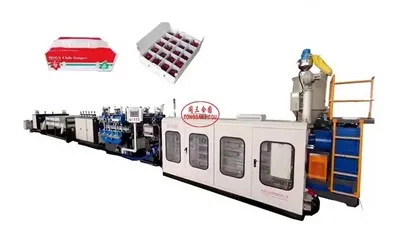
I know this is a lot of info, and you probably have questions about specs, pricing, or how the machine fits into your existing production line. I’ve helped 20+ clients customize their WPC door lines for high-rise projects, so I can walk you through what you need—no sales pitches, just straight answers. If you’re ready to chat about your specific project (whether it’s 100 doors or 10,000 doors), hit me up, and we can figure out if a WPC door machine is the right fit for your high-rise needs.
Corrugated Pipe Machine References:
- National Fire Protection Association (NFPA). NFPA 80: Standard for Fire Doors and Other Opening Protectives. 2022.
- Wood Plastic Composite Industry Association (WPCIA). Technical Guidelines for WPC Building Materials. 2023.
- International Code Council (ICC). International Building Code (IBC) Section 1010: Fire Resistance Ratings for Building Elements. 2021.
- U.S. Green Building Council (USGBC). LEED v4.1 Building Design and Construction: Material and Resource Credits. 2022.
Qingdao Tongsanhegu Plastic Machinery Manufacturing Co., Ltd.
With abundant experience, we are one of the most reliable wpc door machine manufacturers and suppliers in China. We warmly welcome you to buy durable wpc door machine for sale here from our factory. Quality products and reasonable price are available.
Address: West of Xixinzhi Village, Sanlihe District Jiaozhou, Qingdao City, Shandong Province, China
E-mail: info@tongsanhegu.com
WebSite: https://www.tongsanhegumachine.com/
