If you’ve ever walked past a busy city plaza at night and stared up at a sleek, see-through digital display hanging from a building facade, chances are you were looking at a transparent LED screen. As a transparent LED screen supplier, I get asked this question at least once a day: “Are these things waterproof?” It’s a totally fair question, especially when you consider these displays are meant for outdoor use, rain or shine. The short answer isn’t just a simple yes or no—there’s a lot of engineering that goes into making a transparent LED screen hold up against water, and as someone who has been working with these products for over seven years, I’ve seen firsthand what happens when waterproofing is an afterthought vs. a priority. Transparent LED Screen
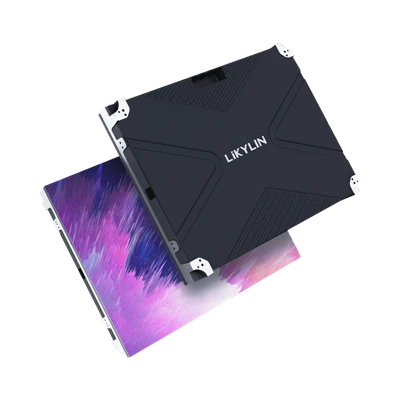
Let’s start with how transparent LED screens work, because that’s key to understanding why waterproofing is so different from traditional LED displays. Unlike regular LED boards that have a solid, opaque backing and dense LED modules, transparent LED screens are built with slim, spaced-out LED elements mounted on a thin, see-through substrate—usually something like glass, acrylic, or a flexible polycarbonate sheet. The gaps between the LEDs are what give the screen its transparency, sometimes up to 85% visibility depending on the model. That open structure is a game-changer for visibility on glass building facades, storefront windows, or transit shelter backdrops, but it also means water has more pathways to get inside the screen than it would for a standard box-style LED display.
Traditional indoor LED screens are rated for IP20, which means they’re protected against solid objects larger than 12mm but not against water. That’s why you’d never hang an indoor LED TV outside, and it will die instantly if spilled on. Transparent screens, though, are designed to bridge indoor and outdoor use—they’re often used for storefronts that need to look like glass when not displaying content, but still play ads or event footage after dark, even in areas with frequent rain, snow, or high humidity. So how do we turn an open, transparent structure into something that can withstand water?
The first line of defense is the IP rating for the individual LED components. All the tiny surface-mount diodes (SMDs) we use for transparent screens have to be coated with a thin, hydrophobic epoxy resin. This coating doesn’t affect the brightness or clarity of the LED—when the diode is on, the epoxy is nearly invisible—but it creates a barrier that repels water, prevents it from seeping into the electrical connections of the chip, and stops corrosion from saltwater or acidic rain. A lot of cheaper suppliers skip this step, cutting costs by using uncoated SMDs. We’ve seen the outcome: screens that work fine for a month, then start flickering and dying when the first heavy rain hits, because water worked its way into the unprotected diode connections.
Next, the substrate and the frame that holds the transparent LED panels together. For outdoor-rated transparent screens, the substrate isn’t just a plain acrylic sheet—it’s either tempered glass (for permanent, high-installation setups like building facades) or UV-stabilized polycarbonate (for flexible, temporary installations like event backdrops or moving transit displays). Both materials are non-porous, so they don’t absorb water. But the joints between panels, where they connect to form a large screen array, are another weak point. Here, we use a specialized waterproof silicone gasketing that’s compression-fit between each panel and the metal frame housing. This silicone is rated for extreme temperatures, so it doesn’t crack in winter frost or melt in summer heat, and it fills in every tiny gap between panels to stop water from pooling inside the screen structure.
That said, not all transparent LED screens are created equal when it comes to waterproofing. We categorize our products by IP ratings, just like standard LED displays, but we tailor those ratings specifically to the open structure of transparent screens. Our most popular outdoor model, used for building exteriors and storefronts in coastal cities like Miami and Hong Kong, has an IP65 rating. For context, an IP65 rating means the screen is dust-tight (the 6) and protected against low-pressure water jets from any direction (the 5)—that means it can handle heavy rain, wind-driven spray, and even accidental hosing down to clean the outside of the screen. For more extreme environments, like areas with heavy snow or freezing rain, we offer an upgraded IP67-rated transparent screen. The 7 means the screen can be submerged in up to 1 meter of water for up to 30 minutes—though we usually only recommend this for temporary submersion, like if a construction waterfall is accidentally turned on during an event, not permanent underwater use.
I’ve had a handful of clients ask me if their transparent screen can be installed fully submersed, like in a pond or fountain display, and so far we don’t recommend that. Even the highest IP rating for transparent screens is designed for water exposure from the outside, not full submersion. The wiring that connects the panels to the power supply and control system is routed through a separate, fully sealed junction box, and that box also has its own IP rating (usually IP67 or higher for outdoor use), but submersion would put pressure on the seals that can cause leaks over time. We have a number of fountain display clients that use our IP65-rated screens positioned just above the water line, and they’ve had zero issues even with frequent mist and spray from the fountains.
A common myth I run into is that because transparent LED screens have gaps, water can drain right through them, so they don’t need waterproofing. That’s half true, but the parts that matter—the LEDs, wiring, and circuits—are still inside the screen’s frame. Water that seeps through the gaps could sit in the metal frame, cause corrosion on the circuit boards, and lead to short circuits, even if the gaps let some water pass through. We’ve tested this ourselves: a prototype transparent screen with no waterproofing coating on the LEDs, installed outdoors, developed a 10% failure rate after just three months of rain. Another prototype with full IP65 rating, installed side-by-side, had less than a 1% failure rate over the same period. The difference is night and day, which is why we never cut corners on that waterproofing layer.
Another thing to consider is long-term waterproofing performance, not just the initial rating. UV exposure from sunlight can break down silicone gaskets and epoxy coatings over time, especially in areas with intense year-round sun like Arizona or southern Spain. That’s why we use UV-stabilized materials in every part of our transparent screens that touches the exterior environment. We also offer a 5-year warranty on all our outdoor waterproof models, which covers any water-related defects as long as the screen is installed according to our guidelines. For temporary installations, like trade show displays or festival backdrops, we offer our IP65-rated models that can be set up and taken down within days, with no long-term water exposure.
What about indoor transparent LED screens? If you’re using a transparent screen in a shopping mall, museum, or office lobby, do you need to worry about waterproofing? Not in the same way, but there’s still a basic level of protection. Our indoor models have an IP20 rating, which means they’re protected against solid objects but not water. That means if someone spills a soda or a glass of water on the screen, you can wipe it off quickly and it won’t cause damage, but you shouldn’t leave it sitting there or expose the screen to heavy moisture like a leaky roof. That’s a key distinction: IP ratings are tailored to the intended use of the screen, so you don’t need an IP65 screen for an indoor mall, but you also wouldn’t want to take an IP20 indoor screen outside during a rainstorm.
I’ll also share a few lessons we’ve learned from real-world installations over the years. A few years back, we installed a 10-meter-wide transparent LED screen on the facade of a retail store in Seattle, which gets over 150 days of rain a year. The first winter, the store’s maintenance team tried to clean the screen with a high-pressure power washer, aimed directly at the panel seams. Within a week, water had seeped through the gaskets in one corner, damaging three LED panels. We adjusted the guidelines we send to all clients, explicitly stating that high-pressure cleaning isn’t recommended for our screens, and that’s a mistake we haven’t seen repeated since. Another client in Singapore installed a transparent screen on a building overlooking the ocean, and even though it was IP65, we added an extra layer of protective coating to the outside of the panels to resist salt spray, which is more corrosive than regular rain. That screen is still working perfectly three years later.
So to circle back to the original question: Are transparent LED screens waterproof? The answer is, if you invest in a properly engineered, rated model, absolutely. It’s not the same as a solid opaque display—you still have to choose the right IP rating for your environment, follow installation and maintenance guidelines, and work with a supplier that prioritizes waterproofing as a core feature, not an afterthought. As someone who has built and installed hundreds of these screens across the globe, I can tell you there’s nothing worse than seeing a client disappointed because their cheaply made transparent screen died after the first rain. The good news is that high-quality waterproof transparent LED screens are accessible for almost any use case, from small storefront windows to large building facades, event backdrops, and transit displays.
If you’re looking to add a transparent LED screen to your project, whether it’s for an outdoor retail display, a museum exhibit, or a concert backdrop, our team can help you choose the right model with the right level of waterproofing for your specific needs. We work with small businesses, large corporations, event planners, and architects, and we offer custom sizing, installation support, and maintenance plans to ensure your screen performs for years, even in tough weather conditions. Don’t let worry about water damage hold you back from the sleek, attention-grabbing display that a transparent LED screen can offer—reach out to our team to discuss your project and get a personalized quote.
Outdoor LED Screen References:
- International Electrotechnical Commission. (2019). IEC 60529: Degrees of protection provided by enclosures (IP Code).
- LED Industry Association. (2021). Waterproofing standards for transparent LED display modules.
- National Institute of Building Sciences. (2020). Outdoor digital display durability and environmental testing guidelines.
- Silicon Sealant Manufacturers Association. (2022). Compression gasketing performance for outdoor electronic enclosures.
LiKYLIN (Chongqing) Intelligent Technology Co., Ltd.
As one of the most professional transparent led screen manufacturers and suppliers in China, we’re featured by quality products and low price. Please rest assured to wholesale advanced transparent led screen in stock here and get free sample from our factory. We also accept customized orders.
Address: Building 1, No.57, Jinfu Blvd, Gu’nan Street, Qijiang District, Chongqing, China
E-mail: marketing@likylin-led.com
WebSite: https://www.cqlikylinled.com/
