Hey there, fellow pet lovers and pet food pros! If you’ve ever stared at a can of wet cat food, a pouch of gravy for your pup, or even the gel texture of some senior dog meals and thought, “How’d they get that just right?” – you’re not alone. As a thickeners supplier, I get asked this question all the time: what exactly are those thickeners in pet food, and why do they even matter? Let’s break this down like we’re chatting over coffee (or, uh, pet treats, since that’s way more our vibe) – no stuffy lab jargon, promise. Thickeners
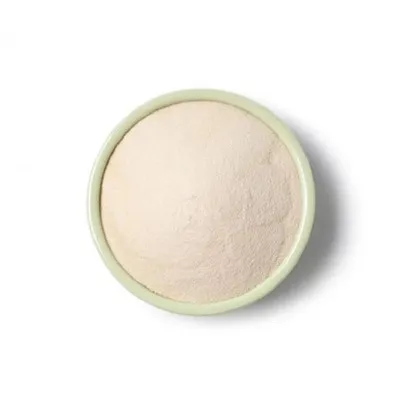
First off, let’s get one thing straight: thickeners in pet food aren’t just random additives to make the product look “thick.” They serve a real purpose, whether you’re making wet food, gravy, pâté, or even some semi-moist chews. Think about it: wet cat food would turn into soup without a thickener, right? Gravy would separate into water and globules. And for pets with specific needs – like senior dogs who struggle to swallow thin foods, or cats who need extra moisture in their diet – the right thickener makes all the difference for their eating experience and even their nutrition.
Let’s start with the most common thickener I see used across the industry: guar gum. It’s a natural one, from the guar bean plant (grows in India and Pakistan, if you’re curious). It’s super versatile – you can use it in tiny amounts to thicken things up, which is why it’s such a go-to. I’ve worked with small-batch pet food brands who love guar gum because it’s easy to source, blends well without leaving a weird chalky aftertaste, and works for both wet and semi-moist recipes. Wait, but hold on – some people worry about guar gum and digestion, right? Let me clarify: in the small amounts pet food uses (usually less than 1% of the formula), it’s totally safe for most pets. The only time you might hear a fuss is if a pet has a super sensitive gut, but even then, it’s rare. It’s also gluten-free, which is a big plus for brands catering to grain-free or special diet pets.
Next up, xanthan gum. Another natural one – it’s made by fermenting sugar with a bacteria called Xanthomonas campestris. Yeah, fermentation sounds fancy, but it’s been used in food for decades, so no red flags here. Xanthan gum is like the stability sidekick to guar gum. If you use guar gum alone, some recipes might separate over time. Add a little xanthan, and it keeps the texture uniform, so every can of food you open has that same, consistent thickness. I’ve had a few clients make the switch from only guar to a guar-xanthan blend, and they told me their customers noticed less “watery layer” on top of the cans – that’s exactly the kind of small win we love. It works great for gravies and sauces too, since it doesn’t break down when you heat or freeze the product.
Now, for folks who want something even more “natural” or derived from animal sources, there’s gelatin. That’s the stuff you get from boiling animal bones, skin, and connective tissue – super common in things like Jell-O, but it’s used in pet food too, especially for things like aspics or gel-based treats. If you’ve ever seen a dog that goes crazy for those frozen gel treats? Chances are gelatin is the thickener there. It’s animal-derived, so it’s a good fit for brands that focus on “whole animal” ingredients. The downside? It sets when it’s cold and melts a little when it’s warm, so it’s not ideal for shelf-stable wet food that sits on grocery store shelves. But for refrigerated or frozen pet products, it’s perfect. I work with a couple of frozen raw pet food brands that swear by gelatin for adding moisture and texture without any weird chemical additives.
Another plant-based option is carrageenan. Wait, I know – I’ve heard the debates about carrageenan, so let’s address that head-on. It’s derived from red seaweed, and for a long time, there was some confusion about its safety. But the FDA and other pet food regulatory bodies have confirmed that the refined carrageenan used in commercial pet food is safe in the amounts they use. Some small-batch brands avoid it because of the old rumors, but a lot of big manufacturers stick with it because it’s super cost-effective and works well in pâtés. It gives that smooth, creamy texture that’s so popular in wet cat food. If you’re a brand that’s leaning fully into non-GMO or organic, there are organic carrageenan options too – I’ve got a line of those that a few clients have been raving about lately.
Then there’s psyllium husk. You know that stuff people take for fiber in humans? Same idea for pet food. It’s derived from the seeds of the plantago ovata plant, and it’s a thickener and a fiber source rolled into one. That’s a double win for brands making food for diabetic dogs or cats with digestive issues – the fiber helps regulate their gut, and the psyllium adds the right thickness to the recipe. I’ve had clients use psyllium in senior pet formulas because it’s gentle on digestion, plus it helps with things like stool consistency – which is a big concern for many pet parents. It’s a little more mild than guar or xanthan, so you need a bit more of it to get the same thickening, but the added health benefits make it worth it for the right recipes.
Wait, can’t forget about cellulose – also called microcrystalline cellulose. This one’s a bit different because it’s a structural thickener made from plant fibers (usually wood or cotton, but refined so it’s safe). It’s not going to give you a smooth, creamy texture like guar gum, but it adds bulk without a lot of calories. That’s why it’s popular in weight management pet foods – it makes the food feel satisfyingly thick so pets feel full, but it doesn’t add extra fat or carbs. I’ve worked with several brands that make low-calorie wet food for overweight dogs, and cellulose is their go-to because it’s neutral in taste (pets don’t seem to notice it) and it works well in low-fat recipes. Just a heads up: since it’s a more “textured” thickener, it’s not great for things like fine gravies, but perfect for pâtés or chunk-style foods.
Now, let’s talk about how we pick the right thickener for a recipe, because that’s where most brands get stuck. It’s not just about what’s “natural” or popular – it depends on the end product. Let’s say you’re making a shelf-stable wet cat food pâté: refined carrageenan or a guar-xanthan blend is ideal, because they stay stable for years on the shelf. If you’re making frozen raw pet food, gelatin is your guy. If you’re making a high-fiber formula for digestive health, psyllium is a no-brainer. And if you’re making a low-calorie weight management food, cellulose is the way to go.
As a thickeners supplier, I always tell clients to test small batches first. Thickeners can interact with other ingredients in the formula – like proteins, fats, and minerals – so what works in one recipe might not work in another. For example, I had a client who tried xanthan gum in a gravy that had a lot of chicken fat, and it ended up getting lumpy because the fat reacted with the xanthan. Switched to guar gum, and it was smooth as can be. That’s why having a supplier that can help you troubleshoot is such a big deal – not just selling you a product, but walking you through how to use it.
Another thing I get asked a lot: are there any thickeners to avoid? Honestly, it’s more about the amount than the type, but there are some poorly refined ingredients out there that some brands use. For example, undegraded carrageenan (the unrefined kind) is not safe, but that’s not what’s used in commercial pet food. If you’re a small-batch brand buying from a reputable supplier, you don’t have to worry about that. And a lot of pet parents are into “clean label” these days, so I’ve noticed a shift away from more processed thickeners like cellulose and towards things like guar, xanthan, and psyllium. I try to keep up with that, which is why I expanded my line to include organic versions of the common natural thickeners, so brands can meet that demand.
Wait, let’s circle back to why this matters for pets, not just brands. At the end of the day, thickeners affect how a pet eats. A gravy that’s too thin might run down their chin and get messy, but also, a too-thin food might not keep a hungry pup full. For cats, who often prefer to lap or lick their food, the right thickness makes it easier to eat without making a mess. For pets with dysphagia (difficulty swallowing), like some senior dogs or cats, thickened food is often prescribed by vets to prevent choking or aspiration pneumonia. In those cases, we use medical-grade thickeners – things like modified food starch (wait, I didn’t mention that earlier! Modified food starch is another common one, made from corn or potato, and it’s often used for vet-prescribed thickened foods because it’s easy to adjust the thickness level). That’s a whole other niche, and I work with vet clinics to supply those too, since accuracy is super important there – too thick, and the pet can’t eat; too thin, and it’s not safe.
Let me also bust a myth right now: some people think thickeners are “filler” ingredients, but that’s not true. Filler ingredients add nutrition or volume without benefit, but thickeners add texture and functionality that’s essential for the product to work. For example, without a thickener, a can of wet food would separate into water and meat, and you’d have to drain it before feeding – which means you’re losing moisture, a key part of a cat or dog’s diet (most pets don’t drink enough water on their own, so wet food contributes to their hydration). So thickeners aren’t just making the food look good – they’re helping pets get the moisture they need. That’s a big deal, especially for cats, who are prone to urinary tract issues when they’re dehydrated.
As a supplier, I’m not just selling powder or granules – I’m helping brands make products that work for pets and pet parents. I recently had a conversation with a small brand that was getting complaints about their wet food being too runny. We tested a small batch with a 50/50 blend of guar and xanthan gum, and they cut the thickness complaint by 90% – that’s the stuff that makes my job worth it. I also work with organic and natural brands, so I make sure all my products are non-GMO, free of any weird additives, and meet the AAFCO standards (that’s the Association of American Feed Control Officials, which sets the rules for pet food ingredients, fyi).
Now, if you’re a pet food brand – whether you’re a small boutique making raw food or a big manufacturer making shelf-stable products – you might be wondering which thickener is right for your next recipe. Here’s my quick cheat sheet:
- For shelf-stable wet food pâtés: Refined carrageenan or guar-xanthan blend
- For gravies and sauces: Guar gum or guar-xanthan blend (heat-stable)
- For frozen/refrigerated pet food: Gelatin
- For high-fiber/digestive health: Psyllium husk
- For weight management: Microcrystalline cellulose
- For vet-prescribed thickened foods: Modified food starch or medical-grade guar gum
But again, every recipe is different, so don’t be afraid to reach out and test small batches. I offer free sample packs for brands, so you can try different thickeners without committing to a big order. I also help with formulation tweaks – like adjusting the amount of thickener based on your protein and fat levels – because that’s the part that makes a difference between a good texture and a great one.
Wait, one more thing I should mention: sustainability. A lot of brands are focused on eco-friendly ingredients these days, and I’ve got you covered. The thickeners I source are from renewable resources – guar gum comes from a crop that’s drought-tolerant, xanthan gum uses sugar from non-GMO corn, gelatin from grass-fed beef or free-range poultry, and plant-based thickeners like cellulose and psyllium are made from sustainable plant sources. So if you’re a brand that’s working on reducing your carbon footprint, my thickeners can be part of that – no compromise on quality or functionality.
I know there’s a lot to take in, but at the end of the day, the best thickener is the one that works for your product, your budget, and most importantly, your pets. It’s not about jumping on the latest trend – it’s about making a food that’s safe, nutritious, and enjoyable for the animals that eat it.
If you’re a pet food brand looking to level up your product’s texture, fix a consistency issue, or just chat about what thickeners might work for your next recipe, hit me up. No pressure, just a chat about what you’re making and how I can help.
Sucralose References
- American Feed Control Officials (AAFCO). (2023). Official Publication: Pet Food Ingredients and Labeling Standards.
- National Research Council (NRC). (2022). Nutrient Requirements of Dogs and Cats, 5th Edition.
- Food and Agriculture Organization (FAO). (2021). Guar Gum: Production, Properties, and Applications in Food and Feed.
- U.S. Food and Drug Administration (FDA). (2020). Refined Carrageenan Safety Assessment for Food and Pet Food Use.
- International Association of Food Industry Suppliers (IAFIS). (2022). Xanthan Gum in Processed Foods and Pet Foods: Functional Benefits and Regulatory Compliance.
Fudijia (Tianjin) Supply Chain Co., Ltd.
With abundant experience, we re one of the most professional thickeners manufacturers and suppliers in China. We warmly welcome you to wholesale bulk high quality thickeners made in China here from our factory. For more information, contact us now.
Address: Room 1602, MSD-G1, TEDA , Binhai New Area, Tianjin, China, 300457
E-mail: foodchem@hjlfoods.com
WebSite: https://www.ifoodchem.com/
