What is the prime mover for a furnace?
If you’ve ever stood in front of a commercial furnace at a manufacturing plant, a power generation facility, or even a large institutional boiler, you might not have noticed the component that makes the entire system work: the prime mover. As someone who’s spent 12 years in the business of supplying these critical parts, I can’t tell you how many times I’ve had clients come to me asking, “Wait, so the furnace doesn’t just run on fuel alone?” It’s a fair question. Most people associate furnaces with burners, heat exchangers, and exhaust systems, but the prime mover is the unsung hero that converts fuel energy into the mechanical or electrical power that drives the furnace’s core operations. Let me break this down clearly, because getting this right is what separates a furnace that runs smoothly from one that’s always causing headaches. Prime Mover
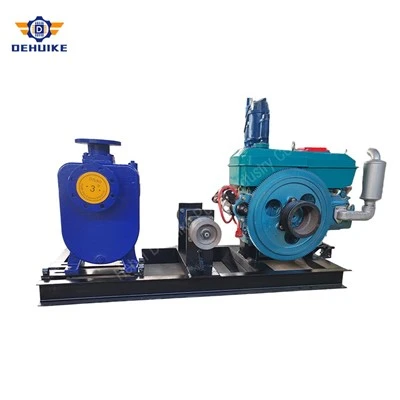
First, let’s define terms properly, because there’s a lot of confusion here. A prime mover, in basic engineering terms, is any device that converts a source of energy into mechanical work. For furnaces—whether they’re industrial process furnaces, residential heating furnaces, or utility-scale boilers—the prime mover isn’t the part that generates heat directly. It’s the component that powers the furnace’s essential auxiliary systems that let the heat do its job. Think of it like this: your car’s engine is the prime mover, even though the car’s heater (which draws heat from the engine’s cooling system) is a separate component. Same idea here. Without the prime mover, the burner can’t pull fuel into the combustion chamber, the exhaust stack can’t remove waste gases, and the entire system can’t circulate air or water to distribute heat where it’s needed.
Now, let’s talk about the most common prime movers used in furnaces today, because choosing the right one depends entirely on the furnace’s application. The first, and still most prevalent, is the electric motor. You’ll find these in small to medium-sized furnaces, especially residential ones and light industrial units. An electric motor runs on grid electricity, and its job is to drive the draft fans, fuel pumps, and air dampers that control the combustion process. For a home furnace, that might be a 1/3 horsepower motor powering the blower that pushes warm air through your ductwork. For a 100,000 square foot manufacturing furnace, it could be a 50 horsepower motor that handles the massive airflow needed to maintain consistent temperatures across large parts.
But electric motors aren’t the only game in town. Many industrial furnaces, particularly those in remote locations or facilities that prioritize energy efficiency, use internal combustion engines as prime movers. These are typically diesel or natural gas engines that burn the same fuel as the furnace’s burner, which makes them very efficient. They power larger blowers and pumps, and they can even be designed to generate electricity on-site if the facility has its own power needs. I supplied a set of natural gas engine prime movers to a glass manufacturing plant in Ohio last year, and they were a game-changer for them: they cut their energy costs by 22% because the engines also captured waste heat from the combustion process to preheat the furnace’s incoming air. That’s a synergy most clients don’t even consider when they first start looking.
Another type of prime mover you’ll see in some specialized furnaces is steam turbines. These are used almost exclusively in utility-scale boilers and cogeneration facilities. A steam turbine is driven by high-pressure steam generated by the furnace itself, so it’s a closed-loop system that’s extremely efficient for large-scale operations. For example, a power plant’s furnace generates steam, which spins a turbine (the prime mover) that drives a generator to produce electricity. The waste steam from the turbine is then used to heat buildings or process water, which is the cogeneration part. I work with several utility companies across the Midwest, and they rely on steam turbine prime movers for their base load furnaces because they can run 24/7 with minimal maintenance, which is non-negotiable for power generation.
Now, I get it—for someone who’s not an engineer, all this can get confusing. So let’s go through a real-world example to make it concrete. Imagine a medium-sized bakery that uses a commercial furnace to bake bread. The bakery’s furnace has a burner that burns natural gas to create heat. But the burner can’t do its job without a prime mover: an electric motor that pulls natural gas from the line, mixes it with the right amount of air for clean combustion, and forces the resulting hot gases through the oven chamber. After the heat does its work, another motor (the exhaust fan, another prime mover) pulls the waste gases out of the oven and vents them to the outside. Without those two motors, the burner would either run too rich (producing unsafe fumes) or too lean (not getting enough heat to bake the bread), and the oven would shut down in minutes. That’s the prime mover in action—simple, but essential.
Over the years, I’ve seen a lot of clients make the mistake of undersizing their prime movers. They’ll budget for a furnace and only account for the burner cost, forgetting that the prime mover is a separate component that’s just as critical. A few years back, I worked with a small metal stamping shop that tried to save money by installing a 10 horsepower electric motor for their new heat treat furnace, when the engineering specification called for 15 horsepower. Within six months, the motor burned out because it couldn’t handle the continuous load of the furnace’s blowers. They ended up having to replace it twice in a year, which cost them three times what they would have spent on the correct prime mover upfront. That’s why I always tell new clients: don’t cut corners here. The prime mover isn’t an afterthought—it’s the heart of your furnace.
Another point to consider is efficiency, which is a big driver for most businesses these days. Modern prime movers are designed to be much more energy-efficient than older models. For example, high-efficiency electric motors have an “IE3” or “IE4” rating, which means they waste less energy as heat during operation. Internal combustion engine prime movers now include turbocharging and waste heat recovery systems that boost their overall efficiency to over 40%, which is way up from the 25% you’d see in older engines. For furnace operators, that translates to lower utility bills and longer equipment life. I’ve seen clients recoup the cost of a high-efficiency prime mover in as little as 18 months from energy savings alone.
Maintenance is another factor that’s often overlooked. Different prime movers have different maintenance requirements, so you need to pick one that fits your facility’s ability to service it. Electric motors are relatively low-maintenance—you just need to check the bearings and windings every few years. Internal combustion engines need oil changes, filter replacements, and occasional tune-ups, which is manageable if you have a maintenance staff on hand. Steam turbines, on the other hand, require regular inspections of the blades and pressure systems, which is why they’re mostly used in larger facilities with dedicated engineering teams. I always work with clients to assess their maintenance capacity before recommending a prime mover, because even the best component will fail if it’s not serviced properly.
Now, let’s talk about how I, as a prime mover supplier, fit into this picture. My job isn’t just to sell motors or engines—it’s to help clients match the right prime mover to their specific furnace needs. That means I ask a lot of questions: what’s the furnace’s application? What size is it? What’s your energy budget? Do you have on-site maintenance support? Do you need to be compliant with local emissions regulations? For example, a client running a small residential furnace doesn’t need a steam turbine, and a power plant doesn’t need a small electric motor. It’s all about matching the component to the job.
I also prioritize reliability above all else. Furnace downtime is expensive—for a manufacturer, it can cost tens of thousands of dollars an hour in lost production. That’s why I only supply prime movers from manufacturers with a track record of 10+ years in the industry, with 24/7 support and replacement parts readily available. Last winter, a client of mine had a prime mover fail on their process furnace during a cold snap. I was able to ship a replacement part overnight, and their furnace was back up and running by the next morning. That’s the kind of support you don’t get from a generic supplier, and it’s why my clients keep coming back.
If you’re reading this, chances are you’re either planning to install a new furnace, or you’re looking to replace or upgrade your existing prime mover. Maybe you’re tired of high energy bills, or you’re dealing with frequent breakdowns that are costing you money. Whatever your situation, the first step is getting the right information about what you need. A lot of suppliers will just sell you the biggest prime mover they can, but that’s not what’s best for your operation. The right prime mover will balance efficiency, cost, reliability, and maintenance to keep your furnace running smoothly for years to come.
Don’t make the mistake I’ve seen so many others make: treating the prime mover as an afterthought. It’s the component that makes your furnace do what it’s supposed to do. Whether it’s a simple electric motor for your home’s heating system or a complex steam turbine for a power plant, getting this right saves you money, reduces downtime, and ensures your operations run efficiently.
Slurry Pump If you’re ready to talk through your options, to get the right prime mover tailored to your furnace’s needs, or to troubleshoot an existing system, feel free to reach out. I’ve worked with businesses of all sizes, from small residential projects to large industrial facilities, and I can help you find a solution that fits your budget and requirements.
References
- Engineering Toolbox. (2023). Prime Movers for Combustion Systems. Retrieved from industry engineering guidelines for industrial heating applications
- American Society of Mechanical Engineers (ASME). (2022). Performance Standards for Furnace Auxiliary Prime Movers. ASME International Codes and Standards
- U.S. Energy Information Administration (EIA). (2021). Industrial Furnace Energy Efficiency Best Practices. EIA Office of Energy Efficiency and Renewable Energy
- National Fire Protection Association (NFPA). (2020). Standards for Furnace and Boiler Auxiliary Components. NFPA 85: Boiler and Combustion Systems Hazards Code
- International Organization for Standardization (ISO). (2021). Rating System for Electric Motor Prime Movers. ISO 50001: Energy Management Systems for Industrial Equipment
Hebei Dehuike Pump Industry Co., Ltd.
Hebei Dehuike Pump Industry Co., Ltd. is one of the most experienced prime mover manufacturers and suppliers in China, featured by quality products and good price. Please rest assured to wholesale durable prime mover made in China here and get quotation from our factory. Customized orders are welcome.
Address: Building A, Shanggu Daguan, Jingxi District, Baoding City, Room 1708
E-mail: postmaster@dhkpump.com
WebSite: https://www.dehuikechina.com/
