Hey folks, let’s cut to the chase—if you’re in the outdoor event game, you know aluminum stage surfaces are a workhorse. Rain, mud, food spills, dust, bird droppings, maybe even that random craft beer someone spilled during a set? All of it sticks like glue after the show. Messing up how you clean these isn’t just a pain; cut corners, and you could scratch the finish, dull the aluminum, or even damage the stage panels so bad they’re unsafe for next time. As an aluminum stage supplier, I’ve seen it all—from event teams using the wrong spray that turned a smooth stage into a pitted mess, to others scrubbing so hard they bent edges. Today, I’m walking you through exactly how to clean those surfaces right, no fancy tools, no wasted time, and no ruined gear. Aluminum Stage

First, let’s get one thing straight: aluminum is tough, but it’s not indestructible. The key to good cleaning here is matching your method to the gunk, skipping the overkill stuff, and doing it before the caked-on grime sets. I can’t tell you how many times I’ve heard a client say, “We left the stage up for a week after the festival, and now that mud’s like concrete.” Don’t be that person. The timeline matters a lot here. If you can do a quick cleanup within 24 hours of the event wrapping, you’ll cut your work in half. If not, we’ll cover the tougher fixes for when grime’s had a chance to bake on.
Let’s start with the stuff you’ll actually need—no industrial, hard-to-find products here. Most of this is stuff you can grab at a hardware store or even your kitchen pantry. Let’s list it out so you don’t run around like a headless chicken:
- Mild dish soap (not the heavy-duty degreaser for pots and pans—we’re talking the blue Dawn kind, or even a basic baby soap. Heavy degreasers can strip aluminum’s protective oxide layer, which is what stops it from rusting.)
- Warm water (hot enough to cut grease, not so hot it’ll warp stage panels—aluminum expands, but extreme heat is a no-go for long-term gear)
- Soft-bristle nylon brushes (the ones with stiff enough bristles to shift mud, but not so hard they scratch. Skip steel wool or wire brushes—they’ll leave tiny metal shards that get stuck in aluminum, and those shards can rust and cause pitting over time.)
- Microfiber cloths or soft cotton rags (for wiping down and drying—nothing abrasive here)
- A plastic bucket (for mixing your cleaning solution)
- A low-pressure hose or spray bottle (high pressure might push water into stage seams, which can damage the legs or hinges over time—we want gentle rinsing, not a power wash)
- For tough stuff: a paste of baking soda and water (it’s mild abrasive, perfect for bird droppings or dried gum) and white vinegar (great for water spots, which outdoor events leave like crazy)
Now, step-by-step. Let’s break it down by the level of mess, because a little dust after a corporate picnic is way different than a post-concert stage caked in mud and soda.
First, the quick daily cleanup (for minor messes, right after an event):
- Dry sweep first. Grab a broom with soft bristles, or even a leaf blower on the lowest setting, to blow off loose dust, leaves, and crumbs. Do not skip this. If you spray water on loose dirt, it’ll turn into mud that smears around and scratches the surface when you wipe. I learned this the hard way early on—had a client who power-wet a dusty stage, and they spent an hour scrubbing mud into the finish instead of just sweeping first.
- Mix your solution: a quarter cup of dish soap into a bucket of warm water. Stir it up, don’t make it sudsy like bubble bath—too many suds make rinsing a nightmare.
- Dip your soft brush or a microfiber cloth into the solution, wring it out so it’s damp (not dripping), and scrub small sections at a time. Don’t try to do the whole stage in one go—sudsy water will dry before you rinse, leaving spots. Focus on spills first: soda, beer, food goop, bird droppings. For those, a little extra scrub with the brush works way better than brute force.
- Rinse immediately with your low-pressure hose. Hold it a foot or so away from the surface, so the water doesn’t get trapped in seams. If you have a spray bottle, you can spray sections as you go and wipe—good for smaller stages.
- Dry right away. Wet aluminum can spot if it sits in the sun, and that stuff’s a pain to remove later. Microfiber cloths work great, or if you’re in a hurry, a leaf blower on cool (not hot) to get into any cracks.
Next, the deep cleanup (for when grime’s been sitting a day or two, or after a big outdoor show with mud and heavy grease):
This is where most people mess up. I’ve seen teams grab a industrial degreaser because “it works on my garage floor” and spray it all over the stage, then wonder why their aluminum looks dull a month later. Let’s avoid that.
- Pre-treat tough spots first. Dried mud, gum, and bird droppings? Mix a baking soda paste: 3 parts baking soda, 1 part water, spread it thin on the spots, and let it sit for 5-10 minutes. For really old bird droppings (those are acidic, by the way—they can etch aluminum if you leave them too long), you can dab a little white vinegar first, let it fizz, then add the baking soda paste. That’s way gentler than scrubbing hard.
- For the rest of the stage, mix your solution a little stronger (still no industrial stuff) — half a cup of dish soap to a bucket of warm water. Again, no suds overload. The goal here is to loosen the gunk, not blast it off.
- Scrub with your soft brush, same small-section rule. If a spot won’t come up, don’t press harder—add a little more baking soda paste, let it sit another 5 minutes.
- Rinse super thoroughly. This is non-negotiable. Any soap left on the stage will attract dust and water, leading to spots or even corrosion over time. I tell all my clients: when you rinse, run your hand over the surface to make sure no suds are left. If they feel slippery, keep rinsing.
- Dry immediately. I can’t stress this enough. I had a festival client last year who left a 4×8 stage panel wet after the event, came back a week later, and it had water spots so bad they couldn’t buff them out without re-polishing the whole thing. Save yourself the hassle.
Now, the stuff you should never do—these are the mistakes that turn a good stage into a problem, and as a supplier, I have to warn you about these because I don’t want people damaging their gear (or hurting someone with a damaged stage):
- Never use steel wool, wire brushes, or abrasive scouring pads. They leave tiny metal particles that rust, which causes pitting on aluminum. Pitting makes the surface rough, so it’s a slip hazard, and it’s impossible to fix without re-finishing.
- Never use harsh chemicals: oven cleaner, heavy-duty degreasers, bleach, or rust removers. Bleach is extra bad because it’s corrosive to aluminum, especially outdoor where salt from air or dirt can make it worse.
- Never power wash. I know it’s tempting to blast a big stage to save time, but the high pressure can force water into the stage’s aluminum frames, legs, and hinge points. That water gets trapped, and over time it causes internal rust that you can’t see until the stage starts wobbling mid-event.
- Never let grime sit for more than 3 days. Bird droppings, food, and even regular dirt can etch or dull aluminum in that time, even if you don’t see it right away. Outdoor conditions (rain, sun, humidity) speed that up too.
Wait, what about small nooks and crannies? The parts between stage panels, the gaps around leg mounts? Those are the hardest to clean, and where mold or rust can start if you leave them. For those, skip big brushes—use an old toothbrush (soft bristle) to scrub those small spots. It gets into the edges without scratching, and you can reach places a regular brush can’t. After cleaning those, make sure to dry them with a small cloth, so no water gets trapped there.
A quick pro tip from the team here: after cleaning, you can apply a thin coat of food-safe aluminum polish if you want to keep the stage looking shiny, especially if you’re renting it out for events. But that’s totally optional—most event teams don’t bother, as long as the surface is safe. Just don’t use a polish that has abrasive particles, that’ll scratch the finish.
Now, let’s talk about why this matters for you, especially if you’re using aluminum stages for events outdoors. Unlike wood stages, which can rot or warp if they get wet, aluminum is weather-resistant— but only if you take care of the surface. A clean stage doesn’t just look good; it’s safer. Slippery soda spills, dirt that makes a surface uneven, or pitted aluminum can all cause trips or falls for performers, guests, or crew. Also, if you’re buying stages (which I hope you are, since you’re here reading this), keeping them clean extends their life. I have clients who’ve had their aluminum stages for 10+ years because they follow this cleaning routine, and others who need new ones every 2 because they use the wrong cleaners.
If you’re at the point where you’re looking to invest in your own aluminum stages for outdoor events, I’m here to help. We’ve got portable, weather-resistant aluminum stages that are built to hold up to festival mud, concert spills, and all the outdoor chaos you throw at them. Whether you need small 4×8 panels for backyard gigs or big setups for multi-day festivals, we can work with you to get the right gear that’s easy to clean and built to last. If you’ve got questions about cleaning your existing stages, or you’re ready to chat about picking up new aluminum stages for your next events, hit us up to connect for a procurement chat. We’re here to make sure your event gear works as hard as you do.
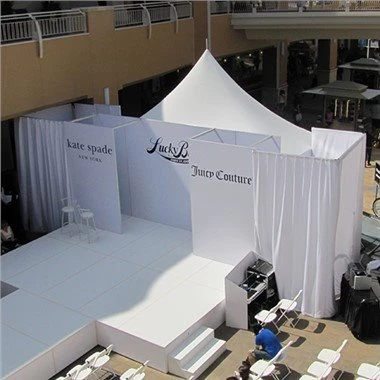
Don’t forget, a little time cleaning now saves you way more stress later. Skip the harsh chemicals, the steel wool, and the power wash, follow these steps, and your aluminum stages will look good and be safe for years to come. If you have a weird stain I didn’t cover (like paint or adhesive spills), just reach out—we’ve got quick fixes for those too. Catch you at the next outdoor show, and keep your stages clean!
Stage Truss References:
- Aluminum Association. (2021). Care and Maintenance of Aluminum Structures for Outdoor Use.
- National Institute of Environmental Health Sciences. (2019. Corrosion Risks in Outdoor Aluminum Equipment.
- Event Safety Alliance. (2020. Best Practices for Portable Stage Surface Maintenance.
- U.S. Department of Energy. (2018. Cleaning Methods for Non-Ferrous Metal Surfaces.
Jiangsu Shizhan Group Co., Ltd.
Jiangsu Shizhan Group Co., Ltd. is one of the most professional aluminum stage manufacturers and suppliers in China, specialized in providing high quality products and service. We warmly welcome you to buy custom made aluminum stage at competitive price from our factory. Contact us for more details.
Address: 80# Xixin Road, Xibei Town, Xishan District, Wuxi, Jiangsu, China
E-mail: jsshizhan@shizgroup.com
WebSite: https://www.leadertrusses.com/
