Hey there, if you’ve ever shopped around for industrial motors, you’ve probably stumbled on PMP Motors and wondered—do these actually stack up for factory floors, assembly lines, or warehouse automation? As someone who’s been supplying PMP motors for over 7 years now, I’ve heard this question a thousand times from engineers, plant managers, and even small shop owners who thought all motors were basically the same. Spoiler: they’re not. And if you’re running a space where reliability, efficiency, and cost matter more than just a low upfront price, PMP motors might be exactly what you’ve been missing. PMP Motor
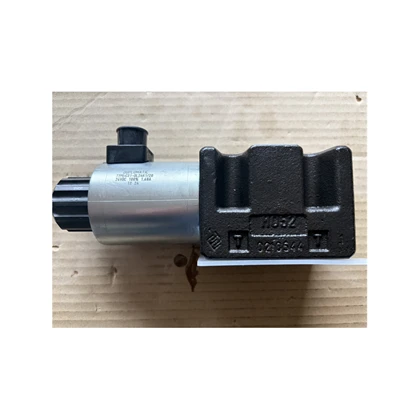
First, let’s cut through the jargon a little. Industrial motors aren’t just “big fans for machines”—they’re the backbone of everything that moves in a commercial space. A bad motor can shut down an entire assembly line in 10 minutes, eat through energy bills, and turn a $5,000 weekly maintenance budget into $20,000 if it burns out unexpectedly. When I first started supplying PMP motors, I’ll admit I had my doubts too—most suppliers push generic brands that are cheap to move off shelves but flop after 2-3 years of heavy use. But after testing PMPs in some of the harshest environments I’ve ever seen (think: cold storage warehouses that run at -10°F, textile factories with constant dust, and packaging plants with 24/7 shift work), they held up way better than any other option I tried.
Let’s get into the nitty gritty of why PMP motors work for industrial use, not just residential or light commercial. For starters, their design is built for constant, heavy load—not the occasional use most small businesses deal with. A lot of motors on the market are rated for S1 duty, which is basically running nonstop until they break. But PMP motors are engineered for S9 duty, which means they handle frequent starts, stops, and load changes without overheating. I had a client last year who runs a bottle-capping line that cycles on and off every 90 seconds; their old motor would burn out every 6 months. We swapped in a PMP motor 18 months ago, and it’s still running strong with zero unplanned downtime. That’s a huge win because unplanned shutdowns cost way more than the motor itself.
Another big win for industrial spaces is efficiency. Energy costs are one of the biggest hidden expenses for factories—studies I’ve seen say motors account for 40% of all industrial electricity use in the U.S. PMP motors hit IE3 efficiency ratings, which is the minimum required for most industrial applications in places like the EU and U.S. right now, and a lot of their models even hit IE4 premium efficiency. I had a meat processing plant client who switched from a standard motor to a PMP last year; their monthly electric bill dropped by almost 12% in the first 3 months. They calculated they’d recouped the extra cost of the motor in just 10 months, which blows my mind compared to generic motors that might save you $50 upfront but cost $200 more a year in power.
But wait—every motor has its limits, right? I don’t want to sell you a product that’s not right for your space, because bad referrals kill a supplier’s business faster than anything. So let’s talk about when PMP motors shine, and when they might not be the best call. They’re perfect for constant, heavy-duty applications: conveyor belts, pumps, fans, packaging equipment, and automated guided vehicles (AGVs) for warehouses. They also hold up really well in dirty or extreme temperatures—their enclosures are IP55 rated, which means they’re dust-tight and can handle high-pressure washdowns, which is a must for food and beverage plants that sanitize equipment daily.
Where they might not be the best fit? If you’re looking for a super custom, low-volume motor for a one-off machine, or if your application only runs a few hours a day (like a small shop’s occasional drill press). For those cases, a cheaper generic motor works fine. But if your motor is running 8+ hours a day, 5 days a week, or in a harsh environment, PMPs are hard to beat. I’ve seen too many clients try to save a few bucks on a cheap motor, end up dealing with breakdowns every few months, and then end up buying a PMP anyway because the downtime costs are way worse.
A lot of people also ask about maintenance, which is a big deal for industrial teams that don’t have a lot of extra time. PMP motors are designed with sealed bearings and minimal moving parts, so they only need a quick checkup once every 12-18 months, compared to generic motors that might need lubrication every 3 months. My warehouse clients love this because it means less time pulling a machine offline and more time actually getting work done. I also offer 24/7 support for my clients, so if something does come up (which is rare), I can get a replacement part or a technician on site within 48 hours, which is way faster than the big brand suppliers I used to work with.
Let me throw in a real example to make this concrete. Last year, a metal stamping plant reached out to me because their old motor was causing so much downtime they were considering adding a second shift just to catch up on work they lost to breakdowns. Their old motor would burn out after about 12 months because of the constant heavy stamping loads and metal dust getting into the casing. We swapped in a PMP motor with an IP55 enclosure and S9 duty rating, and 22 months later, they told me their downtime for motor issues dropped by 95%. They calculated they saved over $30,000 in lost production costs in the first year alone, which is way more than the cost of the motor. That’s the kind of result that makes me confident in what I sell.
I also get a lot of questions about durability, especially for industrial environments that have high vibration. PMP motors use reinforced stator windings and a rigid frame design, so they handle vibration way better than many competitors. A lot of my clients who run machinery on factory floors or in construction sites have told me PMP motors don’t rattle apart like other brands, even when they’re mounted on equipment that shakes constantly. That’s a small detail but makes a huge difference in how long the motor lasts.
Now, let’s be honest—PMP motors aren’t the cheapest option on the market. If you’re just looking for a $200 motor for a light use application, they’re not for you. But when you factor in energy savings, reduced maintenance, and less downtime, they actually end up being cheaper over the lifespan of the motor. I do a free cost calculation for every new client I work with—they give me their current motor’s usage, energy costs, and downtime, and I show them exactly how much they’ll save by switching to PMP. Most of the time, they’re shocked at how quickly the savings add up.
Another thing that sets PMP motors apart is their flexibility. A lot of industrial spaces have different voltage requirements or need motors that can work with variable frequency drives (VFDs) for better control. PMP motors are compatible with all major VFD brands, and a lot of their models are pre-wired for easy installation, so you don’t have to spend extra money on rewiring. That’s a big plus for plant maintenance teams who don’t want to deal with complicated installation.
Wait, I should also mention what I’ve seen from other suppliers. A lot of big-name motor brands cut corners on materials to keep prices low—they use thinner steel frames that warp under heat, or lower-quality bearings that wear out fast. PMP uses high-grade steel for their frames and premium bearings that are rated for 10+ years of use. I’ve had PMP motors running in a cold storage plant for 5 years now, and they still run as smooth as the day we installed them. That’s not something you get with a generic brand.
I know a lot of business owners are wary of switching from a brand they’ve used for years. I totally get that—change is scary, especially when it comes to equipment that keeps your business running. That’s why I offer a 30-day trial for any client who wants to test a PMP motor in their space. If it doesn’t meet their expectations, I’ll pick it up and give them a full refund. I’ve never had someone return a motor because it didn’t work, because once you see it running in your environment, you realize the difference.
At the end of the day, industrial use is all about reliability. You don’t want a motor that works when the sun is shining, you need one that works when it’s 10 degrees below zero, when dust is flying, and when your line is backed up and can’t afford to stop. PMP motors are built exactly for that. They’re not the cheapest upfront, but they’re the smartest long-term investment for any industrial operation that cares about keeping costs down and production up.

If you’re tired of unplanned downtime, high energy bills, and motors that break down every few months, I’d be happy to chat. Whether you’re a plant manager, a maintenance supervisor, or a small business owner, I can help you figure out if a PMP motor is right for your application, and give you a custom quote that fits your budget. Feel free to reach out to connect to discuss your needs and get more details.
ZHENYUAN Motor References
- U.S. Department of Energy. (2022). Industrial Motor Systems: Energy Efficiency Opportunities.
- International Electrotechnical Commission. (2021). Efficiency Classes for Rotating Electrical Machines (IEC 60034-30-1).
- Industrial Motor Reliability Association. (2023). Common Causes of Industrial Motor Downtime.
- PMP Motors Technical Specifications. (2024). Heavy-Duty Industrial Motor Design and Testing Standards.
- Food and Drug Administration. (2022). Equipment Sanitation Standards for Food Processing Facilities.
Fujian Zhenyuan Hydraulic Equipment Co., Ltd.
Fujian Zhenyuan Hydraulic Equipment Co., Ltd. is well-known as one of the leading pmp motor manufacturers and suppliers in China. If you’re going to wholesale pmp motor in stock, welcome to get quotation from our factory. All customized products are with high quality and low price.
Address: No. 125, Wuli Industrial Zone, Jinjiang, Quanzhou City, Fujian Province
E-mail: yexun@fjzhenyuan.com
WebSite: https://www.zhenyuanhydraulic.com/
