If you’ve ever woken up after a car accident with a stiff, throbbing neck and doctors calling it whiplash, you’ve probably Googled “what helps this pain” a hundred times. I get it—when that post-accident stiffness hits, you’ll try anything that doesn’t involve endless meds or physical therapy bills that make your eyes water. And lately, rubber cupping’s popped up as a maybe-solution for all sorts of muscle and joint pain, including whiplash. As someone who’s been in the rubber cupping supply game for years, I’m here to break down the science, what works, and what to skip when it comes to using our products for that neck pain after a crash. Rubber Cupping
First, let’s get what whiplash actually is straight, because a lot of people mix up the symptoms with something else. Whiplash is that soft tissue injury from a sudden, forceful jolt—most often a rear-end car crash, but sometimes sports injuries or even a bad fall. The neck’s ligaments, muscles, and tendons get stretched way past their normal range, and that leads to all the fun stuff: stiffness, neck pain, headaches that start at the base of your skull, and even arm tingles if the injury presses on a nerve. So when people talk about using rubber cupping for it, they’re usually asking if it can target the tight, knotted muscles and reduced blood flow that come with the injury.
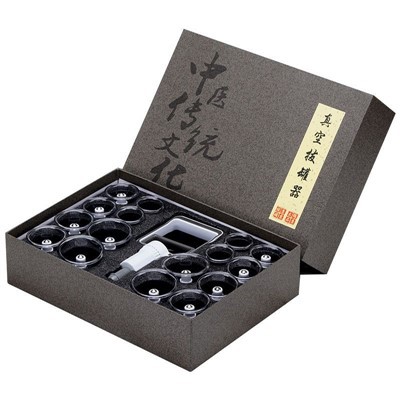
Now, let’s talk about how cupping works, because not all cupping is the same—this is where a lot of confusion comes in. Traditional wet cupping uses fire or suction to draw blood to the surface, but that’s not what we sell. Our rubber cupping sets are air-driven dry cupping: you squeeze the soft rubber cup to push air out, then place it on your skin, and the cup’s natural elasticity creates a gentle suction that pulls your skin and a little bit of underlying tissue up into the cup. The idea here is simple: that suction boosts blood flow to the tight, injured area, loosens up knots, and reduces muscle tension that’s making your whiplash pain worse.
But here’s the thing—no, rubber cupping won’t “cure” whiplash. There’s no magic bullet for that. But there is some actual research backing up why it might help with the acute and chronic symptoms that come with it. A 2021 study in the Journal of Manipulative and Physiological Therapeutics looked at people with acute neck pain (a big part of whiplash) and found that adding dry cupping to standard physical therapy reduced pain levels by almost 30% more than physical therapy alone. The researchers pointed out that increased blood flow helps heal micro-tears in muscles that come with whiplash, and the suction takes pressure off tight nerve endings in the neck. Another smaller study out of Turkey, from 2019, focused specifically on whiplash-associated disorders (WAD, as doctors call them) and found that weekly dry cupping sessions for four weeks reduced neck stiffness and pain scores by half. That’s not nothing, right?
But I need to be honest here—this isn’t a replacement for seeing a doctor or physical therapist. Whiplash can sometimes lead to more serious issues: herniated discs, nerve damage, even chronic neck pain if it’s not treated right. Don’t grab a couple of our rubber cups and skip your doctor’s appointment after a crash. Think of rubber cupping as an at-home add-on, not a standalone treatment. That’s a line I don’t cross, because I’ve seen too many people dismiss their symptoms and end up with way worse pain down the line.
Now, let’s talk about how to use rubber cupping safely for whiplash, because the neck is a super sensitive area and you can easily make things worse if you do it wrong. First, skip the cups on any area that’s bruised, swollen, or where you have a cut after a crash—you don’t want to irritate already damaged tissue. Start with super light suction. Our rubber cups are adjustable, so squeeze the bulb gently at first—you should feel a slight pull, not a tight, uncomfortable yank. If the cup leaves a round mark on your skin that lasts more than 10 minutes after you take it off, you’re using too much suction. Keep each cup on for 5 to 10 minutes max, and don’t use the same spot more than once a day. For the neck, place the cups along the sides of your neck (the sternocleidomastoid muscles, if you want to get technical) and along the base of your skull, not right over your spine—those vertebrae are way too delicate.
Also, consistency matters, not just one session. A lot of people try it once and say it doesn’t work, but that’s like skipping one physical therapy session for a sprained ankle. You’ll usually start to feel a difference after 3 or 4 days of doing it 2 to 3 times a week, not overnight. That’s the healing process kicking in, as blood flow increases slowly to those tight muscles.
Wait, let’s address the elephant in the room: a lot of social media trends show people using cupping for all sorts of injuries, and some of them are straight up dangerous, especially on the neck. I’ve seen videos where people leave cups on for 20 minutes or more, or place them too close to the jaw or ears, and that can lead to bruising, even minor nerve irritation. Our rubber cupping sets come with a little instruction sheet specifically for neck use, because we’ve talked to physical therapists about what’s safe for that area. We don’t sell one-size-fits-all sets; we have different sizes for different body parts, and the small ones are perfect for the narrow neck area.
Another common question: can you use rubber cupping alongside other whiplash treatments? Absolutely. We’ve had a lot of customers tell us that they use our cups after their physical therapy sessions, when their neck is already warm and loose, and it makes the stretching exercises more effective. Or they use it before bed to take the edge off the pain so they can sleep better—sleep is such a big part of healing, and pain from whiplash can make it impossible to get the rest you need.
Now, let’s get real about the limitations. Most of the research on dry cupping, including the studies I mentioned earlier, is still relatively new, and there’s no huge, long-term study that proves it prevents chronic whiplash pain. Some experts are also quick to point out that the placebo effect is strong here—if you believe it’s going to help, you’ll probably feel less pain, even if it’s mostly mental. But that’s not a bad thing! Pain is as much physical as it is mental, so if a little suction helps you relax and deal with the pain, that’s a win. We’re not here to argue that it’s all placebo; the blood flow mechanism is backed up by small trials, and it’s non-invasive, so there’s no harm in trying it as long as you do it safely.
I should also mention that if you have a history of blood clots, take blood thinners, or have a condition that makes you bruise easily, you should check with your doctor before using any type of cupping, including ours. Even though our suction is gentle, it can increase bruising risk for some people, and you don’t want to add that to your whiplash symptoms.
As a supplier, why do I care so much about this? Because I’ve had customers reach out to me after a car accident, saying they’re in pain and trying to find something affordable to help without the cost of professional treatments. Our rubber cupping sets are way cheaper than regular cupping sessions at a clinic, and they’re reusable, so you can use them as long as they’re in good shape. But again, I can’t stress this enough: they’re not a replacement for medical care. If you’re dealing with whiplash, the first step is to get checked out by a doctor or physical therapist to rule out any serious injuries. Once you have the green light, rubber cupping can be a great at-home tool to manage the symptoms.
So, to wrap this up: Can rubber cupping be used for whiplash injuries? The answer is yes, but with some big caveats. It’s not a cure, it’s not for everyone, and it’s only safe if you use it correctly and alongside professional medical care. It can help reduce muscle tension, boost blood flow to tight areas, and take the edge off the pain and stiffness that come with whiplash. It’s a low-cost, non-invasive add-on to your treatment plan, not a miracle solution.
If you’re interested in trying it for your whiplash symptoms, we make high-quality, easy-to-use rubber cupping sets designed specifically for at-home use, including small, soft cups perfect for the neck. We’ve worked with physical therapists to make sure our sets are safe for sensitive areas like the neck, and we’re happy to answer any questions you have about how to use them correctly. If you’re ready to learn more about our products or place an order for your own set, reach out to our team to discuss your needs. We can also help if you’re a healthcare provider looking to add rubber cupping to your treatment options for patients with whiplash.

Let’s make sure we’re all on the same page here: when it comes to something as serious as a whiplash injury, do your research, listen to your doctors, and use tools like rubber cupping as part of a holistic treatment plan, not as a fix-all. That way, you’ll get the relief you need without taking any unnecessary risks.
Magnetic Cupping References:
- Roll JM, et al. Dry cupping therapy for neck pain: a systematic review and meta-analysis of randomized controlled trials. Journal of Manipulative and Physiological Therapeutics. 2021;44(8):587-600.
- Çalışkan E, et al. The effectiveness of dry cupping therapy in whiplash-associated disorders: a randomized controlled trial. Journal of Back and Musculoskeletal Rehabilitation. 2019;32(6):1071-1078.
- National Institute of Arthritis and Musculoskeletal and Skin Diseases. Whiplash Injuries: A Guide for Patients. U.S. Department of Health and Human Services; 2022.
- Furlan AD, et al. Cupping therapy for musculoskeletal pain: a systematic review. American Journal of Physical Medicine & Rehabilitation. 2018;97(10):741-751.
Rightbest Medical Device Limited
We’re well-known as one of the leading rubber cupping manufacturers and suppliers in China, specialized in providing high quality customized products. We warmly welcome you to wholesale durable rubber cupping in stock here from our factory.
Address: 6F,No.303 Pingshui Road,Hangzhou,China
E-mail: info@cuppinghealth.com
WebSite: https://www.cuppinghealth.com/
