If you’re running a small to mid-sized farm, odds are you’ve got a walking tractor on your team. These tough little workhorses are way easier to maneuver around tight fields than big tractors, and they handle everything from tilling soil to hauling grain like champs. But here’s the thing that trips up a lot of new owners (and even some seasoned ones): loading and unloading the thing from a trailer without messing it up—or getting hurt. I’ve been in the walking tractor supply game for over 10 years, and I’ve seen it all: folks yanking a tractor up a ramp too fast, not chocking the wheels, even dropping one because they skipped a simple step. Today I’m breaking down the exact, practical steps I teach every new customer when they pick up their unit—no fancy jargon, no overcomplicating stuff, just the real deal that’ll keep you safe and your tractor in one piece. Walking Tractor
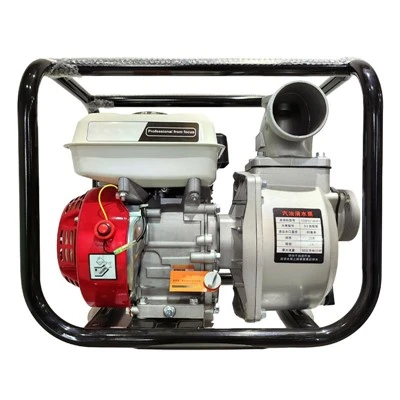
First off, let’s talk pre-work. You can’t just show up with a trailer and start hauling the ramp out; a little prep saves so much headache. Let’s start with the trailer itself. First, check the weight limit. Walking tractors usually weigh between 500 and 1,200 lbs, right? So make sure your trailer’s rated for at least double that—trust me, I’ve seen a 1,000 lb tractor tear a trailer’s axle because someone went with a 1,500 lb limit. Next, the ramp. Ropes, folding, metal, whatever you use—make sure it’s grippy. No slick metal if you can help it; wet grass or dew will make that ramp slippery as ice. Also, secure the ramp properly to the trailer. I always tell customers to tie the ramp down with two heavy-duty straps or even chains—don’t just prop it up and hope it stays. And if you’re using a folding ramp, double-check the hinges so they don’t give out mid-load.
Now the tractor itself. Don’t skip this step! Make sure it’s all “neutral” before you even approach the trailer. If it’s got a PTO (power take-off) shaft, turn that off completely, and make sure any attachments like plows or seeders are removed—you don’t want a stick or lever catching on the trailer as you load. Chock the wheels. Wait, even when loading? Yep, that’s a non-negotiable. Block the front and back wheels with heavy wheel chocks before you even move the tractor. That stops it from rolling if it shifts suddenly. Also, put the tractor’s handbrake on all the way—don’t half-ass that. One more quick check: fill the gas tank? No, wait, not full. Leave about a quarter tank. A full tank adds unnecessary weight, and if it leaks while you’re hauling, that’s a mess and a safety hazard.
Okay, now we’re ready to get it on the trailer. First, position the trailer. Back it up as close to level with the ground as possible. If the ground’s sloped, park the trailer on the lower side so the ramp’s angle is as shallow as you can get it. A steep ramp is a recipe for disaster—especially if you’re going alone. A 15-degree max angle is what I aim for; any steeper and the tractor might tip back or forward mid-climb. Once the trailer’s in place, double-check the ramp is secured, chocks are on the tractor’s wheels, and you’re ready to go.
When you’re moving the tractor up the ramp, take it slow. Like, super slow. Don’t gun the engine, that’s how you slip or drop something. Stand to the side of the tractor, not directly behind it—if the tractor loses traction or lurches back, you want to be out of the way. Keep the tractor straight as you go; if you veer left or right on the ramp, it can tip over. As you get to the top of the trailer, stop before you go all the way on. Shift the tractor into neutral, pull the handbrake, and re-chock the wheels right there on the trailer. Once they’re secured, you can drive the rest of the way forward until it’s centered on the trailer. Wait—centered is key. If you load it too far forward, it’ll put too much weight on the trailer’s tongue, which can make your truck sway when you’re driving. Too far back, and the back axle is overloaded, and that’s dangerous too. I tell folks to aim for 60% of the tractor’s weight on the front half of the trailer, 40% on the back. That balance makes hauling way smoother.
Now securing it. This is the part that most people cut corners on, and it’s the one that gives me panic attacks when I see customers leave my lot with a tractor just tied with one rope. You need at least two sets of straps—front and back. Front straps go from the tractor’s front frame (not the handlebars, not the fenders—those are flimsy and will break) down to the trailer’s D-rings or anchor points. Same for the back: rear frame to trailer anchors. Tighten the straps until they’re snug, but don’t over-tighten—you don’t want to bend the tractor’s frame. Also, if you’re going on a long trip, add a cross strap across the middle of the tractor, just in case one strap breaks. And double-check everything before you drive off—jiggle the tractor a little, yank on the straps, make sure nothing is loose.
Now unloading. This is where a lot of injuries happen, because folks get in a hurry to get to the field and rush the steps. First, reverse the trailer like you did for loading, make sure it’s level, ramp is secured. Don’t unhook the trailer from your truck yet! Keep it hooked up so it doesn’t shift or tip when you drive down the ramp. That’s a huge mistake I see all the time—people unhitch first, and the trailer rolls or tilts when the tractor starts moving, causing the ramp to slip. Okay, tractor prep: remove the straps and wheel chocks. Turn the engine to idle, set it to neutral, handbrake off.
When moving down the ramp, go just as slow as you went up. Again, stand to the side, not behind. If the ramp’s slippery, take it extra easy—no fast moves. As soon as the rear wheels hit the ground, you can put the handbrake on, and that’s it. Don’t drive the tractor all the way off and then hit the ground running; pause for two seconds to make sure everything’s stable before you move it to where you need it.
A few quick pro tips I’ve picked up over the years, because stuff happens even when you follow all the steps. First, if you’re unloading alone, don’t be afraid to use a helper or a ramp assist bar. Those cheap little tools only cost 20 bucks and take the strain off the tractor’s front wheels. Second, never load a wet tractor without wiping the ramp down a little—water + metal ramp = slip city. Third, if you’re hauling attachments like plows or cultivators, remove them if they don’t fit on the trailer with the tractor. Hauling them on the back can throw off the balance and make the whole rig unstable. Fourth, check your local road laws. Some areas have rules about how far a tractor can stick off the back of a trailer, or if you need reflectors. I always send customers a quick guide with their new tractor that covers that, because getting a ticket is just a waste of time.
Look, I’m not here to lecture you. I’ve loaded and unloaded these things more times than I can count, and I still double-check the straps before I drive off. Walking tractors are workhorses, but they’re not indestructible, and neither are you. Rushing this process is how you mess up a $2,000 tractor, or worse, hurt yourself. That’s why I make sure every customer leaves my lot with a quick run-through of these steps, and I always tell them to call me if they have questions later—no question is stupid when it comes to safety.

If you’re in the market for a walking tractor, or you need replacement parts, or you just have questions about hauling yours to the field, reach out to our team. We’re here to help, whether it’s your first tractor or your fifth. Don’t wait until you’re stuck in the mud with a wonky ramp to ask for help.
Rice Combine Harvester References
Farm Equipment Safety Council. (2021). Safe Transport of Small Agricultural Machinery. North American Walking Tractor Association. (2022). Basic Loading and Unloading Protocols for Compact Tractors.
Huzhou Liangyi Agro Machinery Co., Ltd.
As one of the most professional walking tractor manufacturers and suppliers in China, we have world-leading production equipment and strong manufacturing capabilities. Please rest assured to wholesale advanced walking tractor from our factory. Contact us for more cheap products.
Address: High-Tech Industrial Zone, Huzhou City, Zhejiang Province, China
E-mail: Liangyi_agro@126.Com
WebSite: https://www.cnliangyi-agro.com/
