If you’ve ever attended a small-town parade—think local 4th of July celebrations, school homecoming events, or neighborhood holiday parades—you’ve probably glanced at the wheels rolling by and wondered: Can child wagons actually hold their own in a parade, instead of being left at home in the garage or storage closet? As a child wagon supplier who’s spent the last 12 years talking to parents, PTA organizers, and parade coordinators all across North America, I’m here to tell you the answer is a resounding yes—when you pick the right wagon, prep it properly, and play by the quiet unwritten rules that make parade floats feel fun, not chaotic. Child Wagon
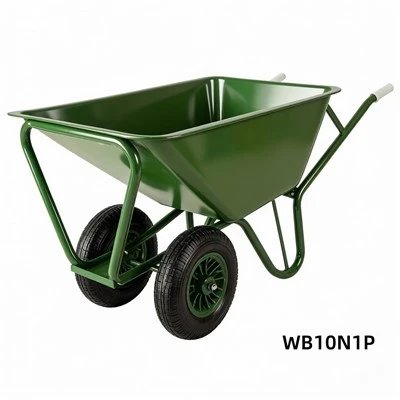
Let’s start with the most basic question: What makes a good parade child wagon, not just a good wagon for a trip to the park or grocery store? Over the years, I’ve seen wagons that work seamlessly in parades and some that end up as parade disasters, and the difference boils down to three key features. First is wheel type. Most standard child wagons come with plastic wheels, which are great for smooth sidewalks but a terrible choice for parade routes, which are often a mix of asphalt, gravel, uneven curbs, and even patches of grass if it’s a neighborhood parade. We supply parade-specific wagons with 8-inch rubber pneumatic tires that handle these uneven surfaces without bouncing so hard that cargo (or kids!) tips over, or that pull the whole wagon off course when the parade marcher or rider is trying to stay in line. I remember a family who came to me three years ago upset because their plastic-wheel wagon broke mid-parade in a small town in Ohio, when a loose curb chunk knocked a wheel clean off. They didn’t just lose a spot in the parade—their 5-year-old’s birthday stuffed animal, which was supposed to be the star of their float, rolled into the street. That’s the kind of headache the right wheel design avoids.
Second is weight capacity. Parades aren’t like casual walks to the playground—you might load up the wagon with your kid, a few friends, decorations, signs, and even the family’s golden retriever, all while pulling it for a mile or more. I’ve seen too many wagons rated for 50 pounds bend in half mid-parade when a group of kids piled in for a quick rest. Our parade-ready wagons have a weight rating of up to 150 pounds, which is more than enough for two small kids and all the parade supplies you’ll need. Last year, a Girl Scout troop in Texas used one of our wagons to carry 8 of their younger scouts, their cookie sales sign, and a cooler of lemonade for the whole troop—and it handled the 2-mile route without a single issue. The troop leader told me later that other groups kept asking where they got their wagon, because so many floats struggle with being too flimsy or too heavy to pull.
Third is stability features. Parades move at a slow, consistent pace, but there are always small bumps, sudden stops (for marching bands that pause mid-song), and turns around corners. Our wagons have a wide wheelbase—meaning the wheels are spaced farther apart on each side—to prevent tipping, plus a low center of gravity so even if someone leans over to wave at the crowd, the wagon stays balanced. We also add safety straps that are easy to adjust, not the flimsy ones that come with basic wagons, to keep kids secured in the seat without feeling confined. One dad told me he let his 7-year-old stand up and wave at the crowd during a small-town Christmas parade last year, and the wagon didn’t budge, even when a fire truck passed by and jostled the street.
Now, if you’re thinking “this all sounds great, but what about rules?” Every parade, big or small, has its own set of rules to keep everyone safe and the line moving smoothly, and child wagons are no exception. I’ve worked with parade organizers across the country to compile the most common rules and tips that make wagons parade-friendly, and none of them are hard to follow.
First, check size limits early. Some small parades in residential neighborhoods have width limits to keep floats from blocking driveways or the street too much. Our standard parade wagons are 36 inches wide, which fits 90% of small parade routes, but if you’re planning a float for a larger city parade, you can opt for our narrower 28-inch model that still holds the same weight capacity. Always reach out to the parade coordinator at least two weeks before the event to confirm their size requirements—don’t wait until the day of, when you might have to rearrange or leave your decorations at home.
Second, consider noise and safety for others. If you’re carrying kids, especially young ones, a wagon can be a great spot for them, but make sure they’re supervised at all times. I recommend assigning one adult to pull or push the wagon, and at least one other adult to stay with the kids, so no one climbs out or tries to run into the street. Also, avoid bringing any loud decorations that could startle parade participants or crowd members—things like air horns or flashing lights that are too bright can be a distraction for marchers, especially those with hearing or vision impairments.
Third, stay with the parade pace. Parades have a set line and route, so don’t fall too far behind or get ahead of the group. When you’re pulling a wagon, it’s easy to slow down to wave at the crowd or stop to adjust a decoration, but make sure you check in with the parade coordinator before making any detours. Last year, a group of kids with a wagon full of bubble machines got so caught up in blowing bubbles at the crowd that they fell behind and missed the entire main part of the parade. That’s why setting a small meeting spot with the rest of your group before the parade starts is such a good idea.
Now, let’s get to the fun part: how to decorate your child wagon for a parade, because that’s what makes these floats stand out and get the most cheers from the crowd. Over the years, I’ve seen all kinds of creative decorations that work, and the best part is that you don’t need to spend a lot of money to make your wagon look amazing.
For a Fourth of July parade, you can wrap the sides of the wagon in red, white, and blue fabric, attach small American flags to the handle, and tie red, white, and blue balloons to the wheels—just make sure the balloons are weighted down so they don’t float away. If you’re doing a Halloween parade, turn your wagon into a giant pumpkin by painting the sides orange, adding black felt eyes and a mouth, and placing a small flashlight inside so it glows as the sun sets. For a school homecoming parade, you can cover the wagon in school colors, tape on large pom-poms, and even add a sign that says “Go [School Name]” so everyone knows who you’re cheering for.
One of my favorite parade wagon memories is from a small community parade in Indiana a few years ago, where a family turned their wagon into a mobile ice cream truck. They used spray paint to make a white counter on the sides of the wagon, added paper signs that said “Free Ice Cream,” and brought small cups of vanilla ice cream with sprinkles to hand out to the crowd. I talked to the mom later, and she said the parade coordinator let them do it because they kept the ice cream in a insulated cooler that was secured to the wagon, and they only gave out ice cream to kids who stayed on the sidewalk. The crowd went wild—kids were lined up for blocks waiting to get a scoop, and other parade groups even stopped by to say it was the best float they’d seen all day.
Of course, no discussion of parade child wagons would be complete without addressing the one concern I hear most often from people: durability. Parades can be rough—your wagon will be pulled over gravel, exposed to rain or sun, and knocked into by other floats or marchers. That’s why we design our parade wagons to handle it all. The frame is made of heavy-duty steel, not flimsy plastic, so it doesn’t bend or break if it gets bumped, and the fabric seats are water-resistant so they can handle a small splash from a puddle or light rain. We also offer a one-year warranty on all our parade wagons, which covers any defects or damage that happens during normal parade use—so if your wheel breaks or a strap comes loose, you don’t have to worry about paying for a replacement.
I’ve had countless customers tell me that after using our wagons in parades, they use them for family trips, trips to the park, and even to haul groceries. One dad from Illinois told me that his wagon went from being a parade float for his 6-year-old’s soccer team to being his go-to for hauling firewood in the fall and his daughter’s art supplies to school events. That’s the beauty of a good parade child wagon—it’s not just for one day; it’s a versatile tool that you’ll use for years.
If you’re planning for an upcoming parade, whether it’s a small neighborhood event or a large city celebration, the first step is to make sure you have the right wagon. A lot of people assume that any child wagon will work for a parade, but as I mentioned earlier, the wrong one can lead to frustration, safety issues, or even missing the parade entirely. We work with individuals, schools, scout troops, and even large parade organizers to supply wagons that meet their specific needs, whether they need 10 wagons for a school float or one custom-decorated wagon for a family.
We also offer add-ons that make parade use even easier, like wagon canopies to shield kids and decorations from the sun or light rain, and custom printed signs that you can attach to the side to show off your group or theme. If you’re not sure which wagon is right for your parade, our team is here to help—we can answer questions about size, weight capacity, and compatibility with parade rules, and even share tips from past customers on how to decorate and prep your wagon for a successful float.
Before I wrap up, I want to leave you with one final thought: child wagons in parades aren’t just about getting from point A to point B. They’re about creating memories. I’ve seen kids have their first taste of parade candy from a wagon float, I’ve seen families bond over decorating their wagon the night before the parade, and I’ve seen entire neighborhoods come together to help a family whose wagon broke mid-parade borrow a spare to finish the route. A parade is supposed to be fun, and a good child wagon makes that possible without the stress of dealing with a broken or unstable float.
If you’re planning for an upcoming parade and want to learn more about our child wagons designed specifically for parade use, or if you have questions about decorating, prep, or rules, please reach out to our team to discuss your needs. We’re here to help make your parade experience smooth, safe, and most of all, fun.
Garden Carts References:
- National Parades Coalition. (2022). Parade Safety Guidelines for Mobile Floats. Retrieved from industry safety archives.
- Child Safety Network. (2021). Recommended Weight and Stability Standards for Recreational Wagons. Pediatric Injury Prevention Journal.
- Parade Organizers Association. (2023). Small Event Float Best Practices. Local Event Management Archives.
- American Academy of Pediatrics. (2022). Child Safety During Public Events: Parade and Festival Guidelines. Family Health and Safety Report.
Qingdao Herzhe Tools Manufacturing Co., Ltd.
Qingdao Herzhe Tools Manufacturing Co., Ltd. is one of the most professional child wagon manufacturers and suppliers in China. We have world-leading production equipment and strong manufacturing capabilities. Please feel free to buy advanced child wagon at competitive price from our factory.
Address: No. 406 Shuangfushan Road, Baoshan Town, Qingdao CHINA
E-mail: herzhetool@163.com
WebSite: https://www.herzhetoolsmfg.com/
