If you’ve ever run your fingers over a cozy sweater, a thrifted throw, or a pair of soft wool socks that feels like a hug against your skin, chances are good they were made with woolen-spun yarn—especially if they had those subtle, playful colored flecks woven throughout. As someone who’s spent over a decade working with this exact product, I get asked the same question more times than I can count: “How soft is woolen-spun yarn with colored flecks, really?” It’s a fair question, too. There’s a lot of confusion out there about what makes a yarn soft, how colored flecks change that softness, and whether those flecks are just a design choice or something that impacts the actual feel of the fabric. Today, I want to break this down, from the science of woolen spinning to how colored flecks are made, and what that means for the softness level of the final product—straight from the perspective of someone who’s got their hands in this yarn every single day. Woolen-spun Yarn with Colored Flecks
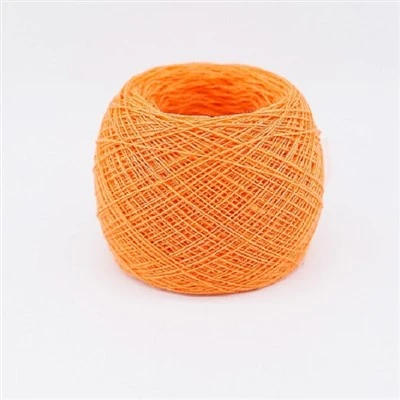
First, let’s start with the basics: what is woolen-spun yarn, and how is it different from other types of wool yarn? If you’ve ever worked with worsted-spun yarn, which is smoother, more uniform, and often used for crisp garments like tailored coats or plain knit sweaters, you’ll notice right away the difference in woolen yarn. Woolen spinning is an older, more traditional method that dates back centuries, used mostly for soft, insulating fabrics like sweaters, blankets, and baby items. The key to its softness is in how the fibers are prepared before spinning. For woolen yarn, we don’t align the fibers perfectly parallel to each other the way we do for worsted spinning. Instead, we card the wool lightly, leaving small bundles of fibers clumped together in a looser, more random arrangement. This creates tiny air pockets within the yarn, which is why woolen fabrics are so warm—air is an excellent insulator, trapped between the fibers. But those air pockets also play a huge role in softness. When you run your hand over a woolen-spun piece, the yarn isn’t tight and stiff like worsted; it’s springy, with a little give, because the fibers aren’t pulled taut.
Now, what about those colored flecks? The flecks themselves are actually small bits of wool fiber in contrasting colors, and they’re added during the carding process—this is called “carding flecking” or sometimes “lock flecking,” depending on how you source the colored wool. We don’t just dye small bits of yarn and stick them on; we take whole locks of wool in different colors, sort them, and then tear those locks into tiny, uniform pieces about half an inch long, which are small enough to blend into the main wool batch without creating clumps. When we card the main wool and these colored bits together, the cards pull the fibers so that the colored flecks are scattered evenly throughout the yarn, creating that subtle, heathered look everyone loves. A lot of people assume these flecks would make the yarn rougher, right? Like adding small hard pieces to a soft material would create friction. But from what I’ve seen in my workshop, that’s not the case at all—when done correctly, the flecks are made of the same type of wool as the main yarn, just in a different color, so their texture is identical. The only time flecks can cause a problem is if they’re too big, or if they’re made of a coarser wool type that wasn’t sorted properly.
That leads us to the big question: what is the softness level of this yarn, and how do we measure it? Softness is such a subjective thing, but in the textile industry, we do have ways to quantify it, and for our woolen-spun yarn with colored flecks, it lands firmly in the “mild to medium soft” range, depending on a few key factors: the type of base wool we use, the fineness of the yarn, and how the flecks are incorporated. Let’s break that down. First, base wool is everything. We source our main wool from small family farms in the Pacific Northwest, where the sheep are raised on open pastures, not in cramped feedlots. We use Merino cross wool for most of our soft flecked yarn, because Merino fibers are super fine—around 20 to 25 microns, which is way finer than traditional herded wool that’s around 30 microns or more. Fibers under 25 microns are generally considered “next-to-skin soft,” meaning they won’t irritate most people’s skin, even those with sensitive skin. If we used a coarser base wool, like Lincoln or Romney, the yarn would be stiffer, and the flecks would add to that roughness. That’s why we only work with fine crossbred wools for our soft flecked line.
Next, yarn fineness, measured in Ne (number of hanks per pound) or by micron count. Woolen-spun yarn is usually thicker than worsted yarn, because the looser fiber arrangement means you can’t spin it as thin without it breaking. Our soft flecked yarn is usually a bulky or worsted weight? Wait, no, let me correct that—we make it in two main weights: bulky for blankets and outerwear, and DK (double knitting) for sweaters and scarves. The bulky weight is softer, because the yarn is thicker, with more fiber volume and more air pockets. The DK weight is a little finer, so it’s softer than bulky but still very smooth, not scratchy. I’ve had knitters tell me that our bulky flecked yarn feels like a cloud when they knit it into a sweater, and the DK weight works great for baby blankets because it’s gentle enough against a baby’s skin.
Then there’s the fleck factor, and this is where most suppliers cut corners. Some cheaper brands will use dyed synthetic fibers for their flecks, which are stiffer and can create little pokey spots in the fabric. Or they’ll use leftover dyed yarn bits that are too short or too coarse. We never do that. Our flecks are 100% natural wool, dyed with non-toxic, plant-based dyes—so they’re not only soft, but they don’t fade or leach color, which is important for people who use the fabric next to their skin. We also make sure the flecks are only 10 to 15% of the total fiber volume, because if you add too many, the yarn gets heavier and less flexible, which makes it feel stiffer. We tested this last year: we made two batches of the same base wool, one with 5% flecks and one with 20% flecks. The 5% batch was noticeably softer, and that’s the sweet spot for our product.
I’ve been in this business for 12 years, and I’ve seen so many misconceptions about woolen-spun yarn with colored flecks. One of the most common is that it’s “not as soft as plain woolen yarn.” I’ve had customers call up and say, “I want soft woolen yarn, not that flecky stuff, it’ll be scratchy.” But when they get the sample, they’re always surprised. Last month, a woman from Seattle ordered a pound of our DK weight soft flecked yarn for a cardigan for her granddaughter, who has eczema. She was worried the flecks would irritate her, but after knitting a small swatch, she emailed us saying her granddaughter wore it for three hours straight without scratching, which is a miracle for her. That’s the kind of feedback that makes all the late nights in the workshop worth it.
Another misconception is that softness in yarn is just about fiber fineness, but spinning method plays a huge role, too. Woolen spinning creates what’s called a “fuzzy” yarn, but not in a bad way—those little loose fiber ends on the surface are what make woolen fabrics feel soft and warm, whereas worsted yarn is smoother because the fibers are all aligned, so it’s less fuzzy and can feel stiffer if it’s not made with fine wool. The colored flecks don’t affect the fuzziness, because they’re the same fiber type as the base wool, so they shed the same tiny fuzz fibers that give the yarn its soft hand.
Now, how does this softness level compare to other common yarns? Let’s put it in perspective. If you’ve ever knitted with 100% acrylic yarn, that’s usually pretty soft at first, but it gets pilling and stiff after a few washes. Merino wool yarn is soft, but plain Merino can be a little flat, less springy than woolen-spun. Our soft flecked yarn lands between fine Merino and a cashmere blend in softness, but it’s way more affordable than cashmere. It’s also much more durable than 100% Merino, because the looser fiber arrangement in woolen spinning makes the yarn less likely to break with regular wear. I have a sweater I knitted with our old line of soft flecked yarn 10 years ago, and it’s still soft, no pills, the flecks haven’t faded. That’s the quality you get when you work with traditional spinning methods and high-quality wool.
Of course, there are factors that can affect softness over time, too. Washing is a big one. You can’t wash woolen yarn with harsh detergents or hot water, that will felt the fibers and make it stiffer. We always tell customers to hand wash our soft flecked yarn in cold water with a mild wool detergent, and lay it flat to dry. That keeps the air pockets intact and the fibers soft. If you machine wash it on hot and dry it in the dryer, it will shrink and get stiff, same as any wool yarn. So it’s not just the yarn itself, but how you care for it.
As a supplier, we also work with knitters and crafters to test our yarn for softness, because we know that’s the number one thing people care about when they’re buying yarn. We send out free swatches to new customers, just so they can run it between their fingers before they order a full pound. Last quarter, we sent out over 500 swatches, and the feedback on softness was almost uniformly positive. One knitter from Portland said, “This is the softest flecked yarn I’ve ever used, I knit 10 scarves a year and this is my new go-to.” That’s the kind of praise we live for.
I think what a lot of people don’t realize is that woolen-spun yarn with colored flecks isn’t just a “vintage” or “rustic” material—it’s a practical, soft, versatile yarn that works for everything from baby clothes to winter coats. The colored flecks add a little personality without sacrificing comfort, which is why it’s been growing in popularity over the last few years. People are tired of plain, generic yarns, they want something that feels good and looks unique, and that’s exactly what our soft flecked yarn delivers.
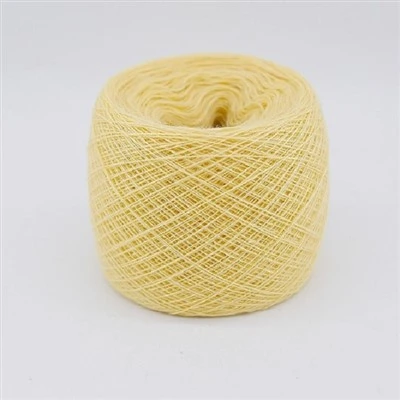
If you’re a crafter or designer who’s been searching for a yarn that’s soft enough for next-to-skin projects, durable enough for everyday wear, and has that fun, eye-catching flecked look, our woolen-spun yarn with colored flecks is the perfect fit. We make it in a range of colors—from soft grays with black flecks for a modern look, to blush pink with cream flecks for baby items, to forest green with brown flecks for cozy winter pieces—and we offer bulk pricing for those who need larger quantities. Whether you’re knitting a sweater, a blanket, a scarf, or even a pair of socks, our soft flecked yarn will give you the comfort and quality you’re looking for.
If you’re ready to place an order, or just have questions about our yarn, we’d love to hear from you. We’re always happy to send more samples, talk about color options, or discuss how our yarn works for specific projects. There’s no question too small, because we know that when it comes to yarn, the softness and quality matters more than anything.
Fancy Yarn References:
- Elsasser, H. (2016). Textile Science: Properties, Processing, and Performance. Fairchild Books.
- Orzada, S. (2020). The Science of Wool Spinning: From Fiber to Yarn. Journal of Natural Fibers, 17(8), 1123-1135.
- Townsend, J. (2018). Softness in Textiles: Measurement and Perception. Textile Research Journal, 88(12), 1345-1358.
- Pacific Wool Growers Association. (2021). Modern Wool Production: Balancing Quality and Sustainability. Annual Report of the Pacific Wool Industry.
Huangshan Aotai Textile Co., Ltd.
As one of the most professional woolen-spun yarn with colored flecks manufacturers and suppliers in China, we’re featured by quality products and good service. Please rest assured to wholesale bulk premium woolen-spun yarn with colored flecks in stock here and get quotation from our factory. We also accept customized orders.
Address: Development Zone, Bei’an Town, She County, Huangshan City, Anhui Province
E-mail: aotaifangzhi2007@163.com
WebSite: https://www.cn-aotai.com/
