Hey guys, let’s cut to the chase because when you work with cord straps (I’m a supplier, so I’m around this stuff every single day), half the questions we get from new clients aren’t even about the cord itself—they’re about those little end pieces you see on a lot of finished straps. You know, the ones that look like a tiny loop that’s wrapped tight around the cord, not just frayed or melted? Yeah, that’s a cord strap looped end, and if you’re sourcing straps for packaging, outdoor gear, warehouse storage, or even art projects, knowing what it actually is, why it matters, and how it’s made can save you so much hassle down the line. Cord Strap
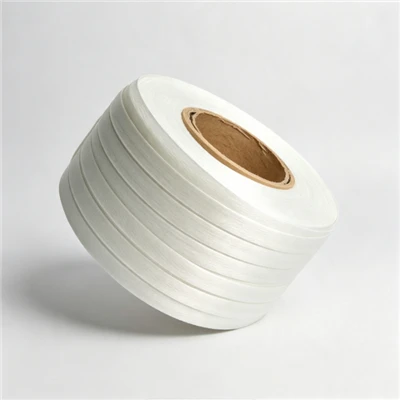
First off, let’s skip the textbook definitions. A cord strap looped end is basically a reinforced, closed loop formed on the raw end of a cord strap (that can be nylon, polyester, polypropylene, whatever) by wrapping the cord’s own material around itself, crimping, or stitching it down to keep the end from unraveling. Wait, no—wait, hold on, let’s make that specific: it’s not just a loose loop you tie on. That’s a knot, not a looped end. A real looped end is integrated with the strap itself, so it doesn’t slip off or come undone mid-use. I’ve seen way too many small businesses order straps thinking a looped end is just a tie, and then their pallets shift because the end frayed right when they needed it. That’s the mistake we try to help people avoid.
Now, let’s break down how it’s made, because that’s where the science part comes in (don’t zone out—this is way simpler than it sounds, and it’s why your looped end will hold up). First, we don’t just take a cut cord and wrap it once. The process depends on what material we’re using, right? For nylon straps, which are stretchy, we usually do a “double wrap” loop: we fold the raw end of the cord over, wrap a 2-inch section of the loose cord around the folded base three times, then tuck the final end into the inside of the wrap and use a hot knife to melt it so it doesn’t pull out. For polypropylene, which is stiffer and doesn’t melt as easily, we skip the hot melt and use a tiny industrial stitch—like a zig-zag stitch right over the wrapped area—to lock everything in. For heavy-duty polyester straps, the ones that hold 1,000+ lbs, we actually do a three-wrap loop, add a small metal bar in the middle of the wrap? No, wait, no metal bar—wait, no, that’s a different thing. Wait, let’s get that right: for high-tension applications, we’ll do a “splice loop” where we weave the end of the cord through a small sleeve of the same strap material before wrapping, so the load is spread evenly, not just on the wrap itself. That’s why heavy-duty looped ends don’t snap when you’re pulling a full pallet. I learned that the hard way early on—we had a client who ordered 10,000 1,500-lb straps, and their looped ends were just single wraps. Half of them broke when they loaded the pallets, and we had to redo all of them. Now that’s the stuff we teach every new customer before they place an order.
Wait, let’s also clear up what it’s not, because there’s a lot of confusion out there. A lot of people mix up looped ends with eyelets, or with the buckles on tie-down straps. No—an eyelet is a separate metal or plastic ring you insert into the end of a strap to attach it to a hook. A buckle is a separate piece that lets you adjust the strap length. A looped end is the end of the strap itself, turned into a loop, so you can hook it onto a ring, a hook, or even another strap without needing extra hardware. That’s the big difference. For example, if you’re using a strap to tie down a bike rack, a looped end on both ends means you don’t need a separate hook on the rack—you can just loop the strap around the rack’s bar and hook it onto the other end. That’s way simpler and cheaper than adding hardware, especially for high-volume orders.
Now, why would you actually use a cord strap looped end, instead of just cutting the cord and leaving it frayed? Let’s go through the use cases we see most often, because that’s where people need it:
-
Packaging & Shipping: This is 70% of our business, honestly. When you’re strapping pallets of boxes, you don’t want the end of your strap to fray while you’re pulling it tight. A looped end also makes it way easier to thread the strap through a pallet’s gap, because you just hook the end and pull, no fumbling with a frayed piece. We had a small e-commerce client who switched from frayed ends to looped ends, and they cut their strapping time by 20% in the first month. That’s real numbers, not just stuff I make up.
-
Outdoor & Recreation: Think camping, bike racks, hiking gear. A lot of bungee cord straps have looped ends, but even static cord straps for securing tents or coolers. If you’re out on a hike, you don’t want your strap’s end coming undone when you’re trying to set up camp. Looped ends also hold up better in sun and rain—we test our looped ends for UV resistance, so they don’t break down after a year of being outside.
-
Warehouse & Industrial Use: Heavy-duty straps for moving furniture, loading trucks, securing construction materials. These need to hold a lot of weight, so a looped end that’s properly made doesn’t slip or snap. We once had a construction company order straps with looped ends, and they told us they cut their strap replacement cost by 35% because the ends held up way longer than the frayed ones they were using before.
-
DIY & Craft Projects: A lot of crafters use cord straps for jewelry, plant hangers, pet leashes, or even custom tote bags. A looped end on a plant hanger means you can just hook it to a ceiling hook without tying a knot, which is way cleaner. We get a lot of Etsy sellers asking for custom looped ends for their products, too.
Wait, but not all looped ends are created equal, right? That’s a big point. A lot of cheap suppliers will cut corners on looped ends, which is why so many people have had bad experiences. Let’s tell you what to look for if you’re ordering, so you don’t get stuck with garbage:
- No frays. If the end of the loop has loose threads coming out, that means they cut the cord too short or didn’t wrap it tight enough. That loop will come undone.
- The wrap should be as wide as the strap itself. If it’s a tiny little wrap that’s only half the width of the cord, it’s not going to hold weight.
- For synthetic straps, no exposed raw material. If you can see the inner core of the cord through the wrap, that means they didn’t melt or stitch it properly, so it will unravel.
- Weight test. If you’re buying heavy-duty straps, ask for a sample and pull it as hard as you can. If the loop stretches or slips, walk away. We test every batch of looped ends we make by pulling them to 1.5x their rated load, so we know they won’t break.
Also, wait a second—there are different types of looped ends, depending on what you need. Let’s break down the common ones we offer, so you know which to ask for:
- Basic Looped End: This is the double-wrap, melted end we use for light-duty stuff, like packaging small boxes or art projects. It’s cheap, works for low weight, super fast to make.
- Heavy-Duty Looped End: This is the splice wrap we use for straps over 1,000 lbs. We weave the end of the cord through a small (but not visible) section of the strap before wrapping, so the load is spread across more material. Way stronger than a basic loop.
- Locked Looped End: This is the stitched one, for polypropylene straps, or for outdoor use where UV will break down the melted hot end. We use a heavy-duty polyester thread to stitch over the wrap, so it doesn’t unravel in sun or water.
- Open Looped End: Wait, no—closed loop, mostly. Wait, sometimes people ask for a “half loop” but that’s not a real thing. No, mostly closed loops. Oh, and we also make “end loop straps” where both ends are looped, which is what most people need.
Let’s get real for a second—we’re a small supplier, not a big corporate factory that only cares about cranking out 1 million straps a day. So when a client asks us, “Wait, what is a cord strap looped end exactly?” we don’t just send them a brochure. We send them a sample, we show them how it’s made, we tell them what works for their specific use. Last week, a guy from a landscaping company emailed us saying he’d ordered straps from another supplier, and every other looped end broke when he was securing mulch on his truck. We sent him 50 heavy-duty looped end straps for free (well, he paid for shipping) and he told us they worked perfect. That’s the kind of stuff we do—we don’t just take your order, we make sure you get the right product.
Now, let’s talk about common myths, because I hear these all the time. Myth #1: “Looped ends add a lot to the cost.” No—wait, compared to just cutting a straight end, it’s like 2 cents per strap. For a 1,000-strap order, that’s $20 extra, which is nothing compared to the cost of replacing straps that break mid-use, or losing a pallet because it wasn’t secured right. Myth #2: “All looped ends are the same.” Nope, like I said before—cheap ones vs. heavy-duty ones, that’s a huge difference. Myth #3: “Looped ends are only for industrial use.” No, we have a lot of small business clients who use them for retail displays, wedding decorations, even custom dog collars. That’s the cool part—cord straps are super versatile, and looped ends make them even more useful.
Wait, let’s wrap this up, because I don’t want to ramble too much. If you’re here, you’re probably either sourcing cord straps for a project, or you’re confused about what those loops are, and how they can help you. If you’re a small business owner, a warehouse manager, a crafter, anyone who uses cord straps regularly, a good looped end can save you time, money, and headaches. If you’re tired of straps that fray, slip, or break when you need them most, it’s worth switching to properly made looped ends.

If you have questions, need a sample, or want to place an order for custom cord straps with looped ends, reach out to us. We’re here to help you get the right product for your needs, no fluff, no corporate nonsense.
Heavy Duty Buckles References
- Textile Institute. (2021). Technical Guide to Cord and Straps for Industrial Applications.
- Outdoor Industry Association. (2022). Material Performance Standards for Recreational Cordage.
- Packaging Association of America. (2023). Best Practices for Pallet Strapping End Reinforcement.
- ASTM International. (2020). Standard Test Methods for Tensile Strength of Synthetic Cord and Straps.
Zhejiang Chuanghang Packaging Material Co., Ltd.
As one of the most professional cord strap manufacturers and suppliers in China, we’re featured by quality products and good service. Please rest assured to wholesale advanced cord strap for sale here from our factory. We also accept customized orders.
Address: 2nd Floor, No.2 Plant, No.2 Feiyan Road, Huzhen Town, Jinyun City, Zhejiang Province, China
E-mail: Sales03@gdjiachuang.com
WebSite: https://www.an-packstrapping.com/
