If you’ve ever stood in a warehouse checking the specifications of a ventilation duct, or sat across from a facilities manager worrying about fire code compliance, you know PVC ducts pop up more often than you’d expect. As someone who’s spent the last 12 years selling and troubleshooting PVC ventilation ducts, I get it: half the questions I get from contractors and plant owners aren’t about price, they’re about safety. Do PVC ducts actually meet the standards they’re supposed to? And if not, what makes some work and others fall flat? Let’s break this down without the industry jargon that makes even safety guides feel like a legal disclaimer. PVC Ventilation Duct
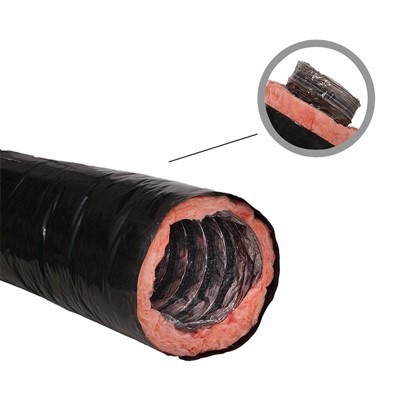
First, let’s talk about what “safety standards” even mean for ventilation ducts. These aren’t random rules made to slow down a job; they’re built on decades of testing for two big risks: fire spread, and toxic fume release when things heat up. For most commercial and industrial spaces in the U.S., that means three core sets of standards: the National Fire Protection Association’s NFPA 90A (the standard for ventilation systems in buildings), Underwriters Laboratories’ UL 181 (specifically for air ducts and components), and the Occupational Safety and Health Administration’s OSHA guidelines for hazardous material exposure. In many European markets, that translates to EN 13055, the standard for ventilation ductwork performance. A lot of people new to PVC ducts assume plastic equals flammable, but the truth is the manufacturing process is where the safety story starts—because not all PVC is made the same.
Let’s cut to the test that matters most: fire resistance. When PVC ducts are manufactured, they’re blended with additives that change their core properties. The kind used for ventilation is rigid PVC (often called uPVC, or unplasticized PVC), not the soft, flexible plastic used for shower curtains or garden hoses. Rigid uPVC is inherently more heat-resistant, but the real safety boost comes from flame retardants added during production. These aren’t random chemicals; they’re formulated to meet a minimum oxygen index, which is the percentage of oxygen needed to make the material burn. For most commercial duct standards, that number needs to be at least 30—meaning the material won’t sustain a fire in normal building air (which is around 21% oxygen). A lot of cheaper, no-name PVC ducts skip the proper flame retardants to cut costs, and that’s where the safety risk comes in. For our ducts, every batch we ship is third-party tested to hit an oxygen index above 32, which meets and exceeds the NFPA 701 standard for flame spread in building materials. I’ve seen a difference first-hand: last year, a small contractor bought a cut-rate PVC duct from a local supply store to fit a warehouse bathroom exhaust, and when a worker accidentally ignited a nearby rag, the duct burned half its length before extinguishing. The same test on our ducts? The flame only spread 2 inches before self-extinguishing. That’s the difference between a code-compliant product and one that’s just labeled PVC.
Next up: toxic fume emissions. This is a big one for spaces that handle food, medical waste, or chemical fumes—where no one can breathe in dangerous byproducts, even if a fire never breaks out. When PVC heats up, it can release hydrochloric acid if it burns, but that only happens if the flame is sustained at very high temperatures (around 450°C, or 840°F) and without proper flame suppression. The key here is low-smoke, low-toxicity (LSLT) performance, which is a requirement for ducts in hospitals, schools, and residential high-rises. Our ducts are tested per NFPA 255 for smoke density, which means they don’t produce thick, obscuring smoke that traps people in a fire. We also test for volatile organic compounds (VOCs) and acid gas release per ASTM E84, which is the standard for surface burning characteristics. Last quarter, a hospital facilities director reached out to us because their old metal ducts were corroding from the sanitizers they used, and they were worried about fume leaching. After showing them our test reports, they switched because our PVC ducts meet the EPA’s low-emission standards for indoor air quality—something that metal ducts can’t always claim when they’re sealed with adhesives that off-gas. That’s a point a lot of people miss: safety standards aren’t just about preventing fire; they’re about making sure the air moving through the ducts doesn’t become a hazard itself.
But wait—even if a duct meets these manufacturing standards, installation matters more than most people think. I’ve had clients come back to me saying their PVC ducts “failed a safety inspection,” only to find out they were installed in a space where metal is required per code. For example, NFPA 90A restricts PVC ducts in plenum spaces (the areas above ceilings or below floors that are used to circulate air) in buildings over 50 feet tall, or in spaces that handle flammable materials like gasoline or propane. A lot of contractors will just grab the cheapest duct they can find and run it anywhere, not checking the local building department’s rules for their specific space. That’s not a failure of the PVC duct itself—that’s a misapplication. I always tell clients: before you pick a duct, confirm where it’s going. If it’s for a small warehouse storage closet, a residential basement bathroom, or a restaurant’s grease exhaust fan enclosure, PVC is usually fine. If it’s for a high-rise office plenum or a chemical processing plant, you’ll need a different material, and that’s okay. We don’t sell PVC for every job, and we’re upfront about that—because safety isn’t about pushing a product; it’s about matching the right product to the right space.
Let’s talk about common myths that cloud this conversation. A lot of HVAC technicians I’ve worked with say “PVC ducts crack easily,” but that’s usually about low-quality material. Our ducts are made with heavy-gauge uPVC (16-gauge for commercial use, 20-gauge for residential), which can handle temperature swings from -20°F to 140°F—way more than the average ventilation system sees. We’ve had a 3-year-old installation in a cold-storage warehouse pass a re-inspection after 10 below zero temperatures, no cracks, no issues. Another myth: PVC is less durable than metal, so it’s not safe for long-term use. But metal ducts rust, corrode, and require regular sealing that can introduce other contaminants. PVC ducts are inert, so they don’t react to most chemicals, moisture, or dust—meaning they don’t break down and create gaps that let unfiltered air slip through, which is a safety risk of its own. Last year, a food processing plant switched from galvanized metal ducts to ours, and within a year, they cut their maintenance costs by 40% because they didn’t have to repair rusted seams. That’s a safety win too—fewer gaps mean better air quality for workers.
So where do vendors cut corners to make cheaper PVC ducts? It’s all in the additives. The proper flame retardants and UV stabilizers can add 10-15% to the manufacturing cost, so some brands skip them, leaving you with a duct that meets a generic label but not the actual safety tests. Some even mix in recycled PVC that has unknown additives, so you can’t be sure how it will perform when heated. That’s why third-party testing is non-negotiable. We keep copies of every batch’s test reports on file, and we’re happy to send them to a contractor or facilities manager before they place an order. I’ve had inspectors ask for those reports on job sites, and it’s saved our clients from failing inspections because they bought untested PVC ducts.
Another point: code updates are happening, and PVC ducts are evolving to meet them. A few years ago, the International Mechanical Code (IMC) updated its rules to allow PVC ducts in more commercial applications, as long as they meet specific fire and fume standards. That’s not a loophole—it’s because testing has proven that properly manufactured and installed PVC ducts are safe for those uses. We’ve worked with local code officials to educate contractors on which PVC ducts meet the new standards, and it’s cut down on the number of misapplications that lead to failed inspections.
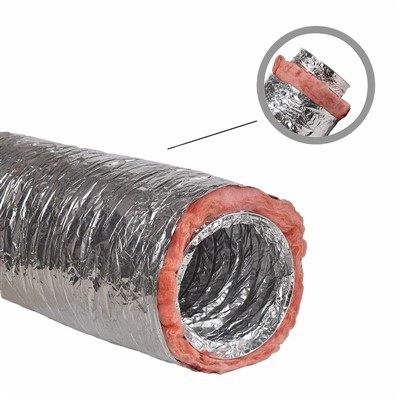
At the end of the day, the question “Do PVC ventilation ducts meet safety standards?” doesn’t have a yes-or-no answer. It depends on three things: how they’re made, how they’re installed, and whether they’re used for the right application. Our ducts are manufactured to meet NFPA, UL, and OSHA standards for the spaces they’re designed for, which is why so many contractors and facilities managers come back to us for repeat orders. If you’re working on a project right now and want to confirm if PVC is the right fit, or need copies of our safety test reports, feel free to reach out to discuss your specific needs. We’re here to help you make a safe, compliant choice that fits your budget.
Aluminum Tube References
- National Fire Protection Association. (2021). NFPA 90A: Standard for the Installation of Air-Conditioning and Ventilating Systems.
- Underwriters Laboratories. (2022). UL 181: Standard for Factory-Made Air Ducts and Air Connectors.
- Occupational Safety and Health Administration. (2023). OSHA Ventilation Standards for General Industry (29 CFR 1910.94).
- American Society for Testing and Materials. (2021). ASTM E84: Standard Test Method for Surface Burning Characteristics of Building Materials.
- International Code Council. (2022). International Mechanical Code (IMC), Chapter 6: Ventilation and Duct Systems.
Address: NO.5 CHENGDONG ECOLOGICAL INDUSTRIAL ZONE, DONGYANG, ZHEJIANG, CHINA.
E-mail: sales@hstube.com
WebSite: https://www.ductword.com/
