If you’ve ever stood in the snack aisle, stared at a plastic bag for frozen veggies, or held a glossy wrapper for candy, you’ve probably wondered—what even are all the colors plastic packaging bags come in? As a plastic packaging bags supplier, I get this question all the time, and it’s not just random eye candy. Every color serves a real purpose, whether it’s keeping your snack fresh, making the product pop on a shelf, or even cutting down on costs. Let’s break it down, no stuffy jargon, just the straight-up truth about what’s available and why it matters. Plastic Packaging Bags
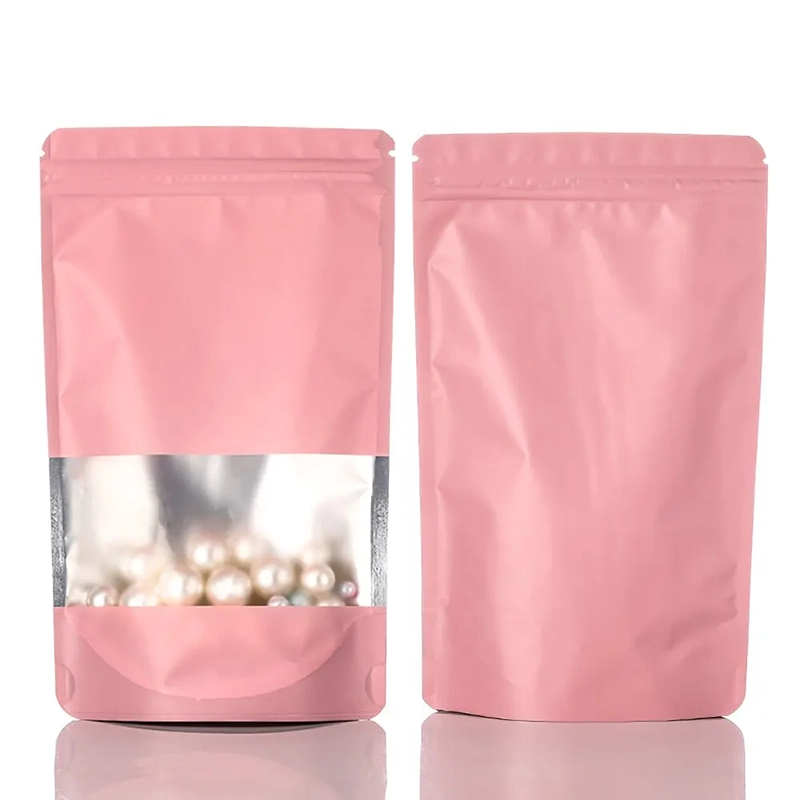
First, let’s start with the basics: plastic packaging bags don’t get their colors from magic. It’s all about pigments—tiny, stable particles mixed into the plastic resin when it’s melted down, right before it’s blown or molded into a bag. Some pigments are for visibility, some for protection, and a few are just for branding. The options are way more than just “red” or “blue,” and most can be mixed to match almost any shade a brand wants. I’ve had a client ask for a specific mint green that matches their coffee’s logo, and we pulled it off no problem—mixing white and a small dose of green pigment is standard, not some fancy trick. Wait, but why do some bags see-through or frosted? That’s not a pigment, that’s the resin itself—clear plastic is just uncolored LDPE or HDPE, depending on the bag type, and frosted is usually a slight chemical treatment to make it semi-opaque without adding color.
Now, let’s go through the common colors you’ll actually find on store shelves, starting with the most practical ones that do heavy lifting. Black is super popular, and it’s not just to hide crumbs. Black pigment (usually carbon black) is a total workhorse. It blocks UV light, so it’s perfect for products that go bad when exposed to sunlight—like dried spices, nuts, or even pet food. If a bag’s black, you don’t have to worry about your peanuts getting rancid after a month on the shelf. Plus, carbon black is cheap, so it keeps costs down for brands. I’ve sold a ton of black stand-up pouches for dog food, and customers love that it also hides any dust or small bits that might stick to the bag after packaging—no one wants to buy a bag that looks dirty, right?
Next up, white. White plastic bags are another staple, and they’re actually more versatile than you’d think. White is made with titanium dioxide, which does two big things: it reflects light (so it’s great for keeping products cool if they’re stored in warm spaces, like outdoor coolers) and it’s a blank canvas. Brands love white because their logos, text, and product images pop way more on a white background than a colored one. Think about those plain white bread bags you see in the grocery store—their labels are bright, easy to read, and the white doesn’t clash with the brand’s design. We also use white for bags that need to be printed on both sides, since the light background makes colors stand out without needing extra ink.
Clear or transparent is the most common, and for good reason. People love being able to see what they’re buying—no one wants to accidentally grab a bag of chips that looks like it has crumbs all over (even if it’s just the bag). Clear plastic is just uncolored LDPE (low-density polyethylene) or sometimes PET for sturdier bags, and it’s used for everything from snack bags to produce bags. But here’s a thing: clear does nothing to protect from UV, so it’s only for products that don’t need light shielding—like candy, fresh fruit, or small hardware parts. I used to work with a company that made tiny screws, and they insisted on clear bags so customers could count how many were inside without opening the box. Makes total sense.
Then there are the bright, bold colors—red, blue, yellow, green, etc. These are mostly for branding and shelf appeal. If you’ve ever noticed how red bags are often for snacks (like chips or candy) because it grabs attention, that’s intentional. Red is a high-energy color, so it stops shoppers as they walk by. Blue is more for calm, reliable products—like water bottles or frozen dinners. Yellow’s for fun, upbeat stuff, like party snacks or kids’ food. Green is all about eco-friendly vibes these days—brands use light green or dark green to signal that their product is organic, sustainable, or plant-based. We get a lot of requests for forest green bags for coffee brands that market themselves as “natural,” and it works. Shoppers do notice that.
Wait, what about metallic colors? Gold, silver, bronze, even iridescent ones. Those are for premium products. Metallic pigments (usually aluminum or other metal particles) are mixed in, and they give the bag a shiny, luxury feel. Think about high-end chocolate bars, gourmet nuts, or cosmetic samples—their bags are often metallic. It makes the product look fancier, so people are willing to pay more for it. We did a run of metallic gold pouches for a artisanal chocolate brand a few months back, and they sold out in a week—customers told us the shiny bag made it feel like a treat, not just a random candy bar. Iridescent colors are a newer thing, too—they shift color depending on the light, and they’re super popular with trendy brands, like bubble tea or skincare products. It’s a way to stand out on crowded shelves.
Now, let’s talk about the less obvious stuff: matte vs. glossy colors. That’s not a different color, it’s a finish, but it makes a huge difference. Glossy bags are shiny, they reflect light, and they make colors look more vibrant. Matte bags are flat, no shine, and they feel more high-end or sustainable. A lot of eco brands go for matte colors now because it feels less “plastic-y” than glossy. We can do any color in either finish, just by adjusting how the pigment is mixed and how the bag is treated after printing. For example, a matte black bag is different from a glossy black one—matte hides fingerprints, which is good for products that are handled a lot, like produce bags.
But here’s a caveat: there are limits to what colors we can make, and it’s not just about the pigment. Some pigments are regulated, especially for food packaging. You can’t use just any color in a bag that holds edible products—we have to use pigments that meet FDA (or whatever local food safety rules) standards, so they don’t leach into the food. That’s why you’ll never see a neon orange bag holding raw chicken, for example—neon pigments often aren’t approved for food contact. We always tell clients if a color they want isn’t safe for their product, and we’ll suggest alternatives that work. No cutting corners here, that’s how we keep things honest.
Another thing: color consistency. If a brand orders 10,000 bags of the same blue, they don’t want 1,000 of them being a slightly different shade. As a supplier, we have strict processes to make sure that doesn’t happen. We test every batch of pigment, mix it in the resin in the exact same ratio every time, and do color checks before the bags are even cut or printed. I’ve had a brand come back once because their first order was a little darker blue than the second, and we fixed it right away—no excuses. Consistency is non-negotiable for repeat customers.
Wait, what about custom colors? Yeah, we can match almost any color you have a sample of. If a brand sends us a small piece of their packaging (or even a photo, as long as it’s in natural light), we can make a test batch to match exactly. That’s a big perk—brands don’t have to stick to standard shades. I’ve matched everything from a specific purple that a wine brand used on their labels to a light pink that a snack company picked for their new line. It takes a little extra time, but it’s worth it for the customer.
Now, let’s wrap this up. The colors for plastic packaging bags aren’t just random choices—they’re a mix of practicality, branding, safety, and customer preference. From black for UV protection to white for easy printing, clear for visibility, bold colors for shelf appeal, and metallics for luxury, there’s a shade (and finish) for almost every product. As a supplier, we work with brands to pick the right color for their needs, making sure it’s safe, consistent, and looks exactly how they want it.

If you’re a brand looking for plastic packaging bags—whether it’s for snacks, pet food, cosmetics, produce, whatever—we can help. We’ve got all the colors, finishes, and sizes to fit your product, and we’ll make sure it’s exactly what you need. No hoops to jump through, just straightforward service. Hit us up to chat through your packaging needs, no obligation.
Paper Bags References
- Selke, S. (2014). Understanding Plastics Packaging. Hanser Publishers.
- Food and Drug Administration (FDA). (2022). Guidance for Industry: Use of Color Additives in Plastics in Contact with Food.
- Soroudi, A., & Jakubowicz, I. (2013). Biodegradable Polymers for Packaging Applications. Journal of Polymers and the Environment, 21(2), 469-482.
- European Food Safety Authority (EFSA). (2018). Opinion on Titanium Dioxide as a Food Additive. EFSA Journal, 16(7), 5346.
- Rieder, L., & Wypych, G. (2020). Pigments for Plastics: Properties, Processing, and Performance. ChemTec Publishing.
Junteng Packaging Co., Ltd.
As one of the most professional plastic packaging bags manufacturers and suppliers in China, we’re featured by quality products and good service. Please rest assured to wholesale bulk premium plastic packaging bags made in China here from our factory. We also accept customized orders.
Address: No.1 Huamao Road, Shuanggang Town, Tongcheng City, Anqing City, Anhui Province
E-mail: juntengpack2020@outlook.com
WebSite: https://www.juntengpackage.com/
