If you’ve ever been stranded on the side of the road because your car refused to shift gears, you know firsthand just how stressful transmission issues can be. As someone who’s spent the last decade working with auto parts for my family’s supply business, I’ve talked to hundreds of drivers who brush off early transmission warning signs—until a small problem turns into a repair that costs more than their monthly car payment. The transmission is one of the most complex, hardworking systems in a vehicle; it’s the link between the engine’s power and the wheels, and it endures constant heat, friction, and wear every time you drive. Today, I’m breaking down the most common transmission problems I see in our shop and the field, so you can catch issues early and avoid costly fixes. Auto Parts
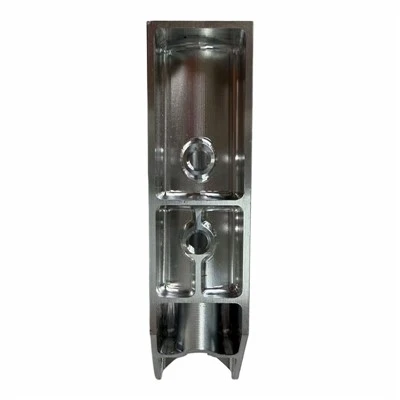
First up: delayed or rough shifting. This is the problem I hear about most, especially from drivers with automatic transmissions. If you press the gas and your car takes an extra second or two to move from Park to Drive, or you feel a jolt instead of a smooth shift, that’s not normal. I’ve seen this happen for a few reasons, and most aren’t as scary as they sound—at first. Low transmission fluid is the top culprit here. Transmission fluid does double duty: it lubricates all the moving parts inside the transmission and creates the hydraulic pressure needed to shift gears. If the fluid level is too low, the pump can’t build enough pressure, so shifts are slow or choppy. I always tell drivers to check their transmission fluid regularly—while the car’s running, on level ground, and after the engine’s warm. If it’s dark, burnt, or smells like burnt oil, that’s another sign, even if the level is okay. Old, dirty fluid breaks down over time, so it can’t do its job right, leading to rough shifts that can damage gears if left unaddressed.
Another common cause of delayed shifting is a faulty solenoid. Solenoids are small electrical valves that control the flow of transmission fluid to different parts of the transmission, telling it when to shift. If a solenoid gets clogged or wears out, it can’t send the right signals, leading to shifts that are late or, in some cases, make the transmission stuck in one gear. I used to see a lot of solenoid issues back when I first started in the industry, before modern transmissions had better filtration, and even now, high-mileage vehicles (over 100,000 miles) tend to see more solenoid wear. The good news is, solenoids are a lot easier and cheaper to replace than a whole transmission, which is why catching rough shifting early is key.
Next: transmission slipping. This is when your car’s engine revs high, but the speed doesn’t match—like you’re pressing the gas and going slower than you should, or the RPMs jump up for no reason. Slipping is a more serious issue than rough shifting, and it’s often a sign of internal damage. One common cause here is worn clutch plates, especially in manual transmissions (though automatics have clutch packs too). Clutch plates are the parts that connect the engine to the transmission; over time, the friction material on them wears down, so they can’t grip properly, leading to slippage. If you ignore slipping, it can get worse fast—you might end up with the transmission stuck in neutral, or even damage the torque converter, which is a central part of automatic transmissions that transfers power from the engine to the transmission.
I also see slipping caused by low or contaminated transmission fluid, same as shifting issues, but if the fluid is burnt, it often means the slipping has already been going on for a while. Burnt fluid is a byproduct of excessive heat from slipping parts, so it’s a red flag that something’s wrong internally. Another less obvious cause for slipping in newer cars is a faulty transmission control module (TCM). The TCM is like the transmission’s brain, managing shifts and fluid pressure. If it’s not sending the right signals, the transmission can slip, even if the mechanical parts are in good shape. Diagnosing TCM issues takes a bit more work, but it’s way better than tearing into the transmission itself.
Third: leaking transmission fluid. I can’t tell you how many drivers come to us because they saw a red, brown, or pink puddle under their car and shrugged it off, thinking it’s just oil. Transmission fluid is usually that reddish color, and it’s thinner than engine oil, so it leaks faster. Small leaks might not seem like a big deal, but even a tiny drip can turn into low fluid, which leads to all the problems I mentioned earlier—rough shifting, slipping, even total transmission failure. Where do these leaks come from? The most common spots are the transmission pan gasket, which seals the bottom of the transmission pan; the axle seals, where the axles connect to the transmission; or the cooler lines, which carry fluid to the radiator to keep it cool. I’ve seen leaky pan gaskets fixed with a simple gasket replacement for $100, but if a cooler line cracks and the fluid drains out while you’re driving, that can destroy a transmission in a matter of minutes. Regularly checking under your car for puddles (especially after parking for a few hours) can catch these leaks before they become disasters.
Fourth: strange noises from the transmission. If your transmission is making weird sounds, that’s a sign something’s not right, even if it’s still shifting okay. The noises can vary: grinding, humming, or even a whirring sound when you’re shifting. Grinding is common in manual transmissions, usually from a bad syncro—those are the parts that match the speed of the engine and transmission when you shift, so you don’t grind gears. Syncros wear out over time, especially if you’re hard on shifting, and replacing them is a standard repair, but ignoring it can lead to broken gears. For automatics, a humming or buzzing sound often means worn bearings inside the transmission, which support the moving parts. If bearings are worn, they can cause more noise and eventually lead to parts grinding together, causing internal damage. I always tell drivers: if you hear any unusual noise coming from under the car when you’re shifting, don’t wait to get it checked.
Another issue I see a lot, especially in high-mileage vehicles, is a stuck torque converter in automatic transmissions. The torque converter locks up at higher speeds to make driving more efficient, but if it’s faulty, it can get stuck, leading to a bump when you reach highway speed, or even cause the engine to stall when you come to a stop. Stuck torque converters are often caused by worn clutches or contaminated fluid, and replacing a torque converter is a common repair that’s way cheaper than a full transmission rebuild.
Now, why do these problems happen? A lot of it comes down to maintenance. The transmission is a sealed system, but it needs regular fluid changes—most manufacturers recommend changing transmission fluid every 30,000 to 60,000 miles, though some newer cars can go up to 100,000 miles, but that’s risky. Drivers who skip fluid changes end up with dirty fluid that causes more friction and heat, leading to worn parts. Also, heavy use—like towing a trailer, driving in stop-and-go city traffic, or driving in extreme heat—puts extra strain on the transmission, so those drivers need to check their fluid more often.
As an auto parts supplier, I see how these small problems can snowball. A $20 solenoid replacement can turn into a $3,000 transmission rebuild if you wait too long. That’s why my team and I work hard to give drivers access to quality parts for every transmission repair, whether you’re a DIY mechanic or working with a shop. We stock everything from solenoids and gaskets to torque converters and transmission fluid, so you don’t have to wait around for parts that take weeks to ship.

If you’re noticing any of these signs—delayed shifting, slipping, fluid leaks, or strange noises—or if you’re planning to do a transmission repair soon, don’t wait to reach out. We work with mechanics, DIYers, and repair shops across the country to supply the right parts at fair prices, and our team can help you find the exact part you need, answer questions about compatibility, and get your parts shipped fast. Whether you’re dealing with a minor fix or a more involved rebuild, we’re here to support you so you can get back on the road without breaking the bank.
Robot Components References:
- Automotive Transmission Service and Repair – National Institute for Automotive Service Excellence (ASE)
- "Common Transmission Problems and How to Prevent Them" – Car and Driver, 2022
- Transmission Fluid Maintenance Guidelines – American Automobile Association (AAA)
- "How Solenoids Impact Automatic Transmission Function" – Society of Automotive Engineers (SAE) International
Dongguan Yixin Metal Products Co., Ltd.
With abundant experience, we are one of the most professional auto parts manufacturers and suppliers in China. Please rest assured to wholesale advanced auto parts made in China here from our factory. Good service and quality products are available.
Address: No.172, Daxing Road, Yangwu, Zhen, Dongguan City, Guangdong Province, China
E-mail: Chengxingfeng123@163.com
WebSite: https://www.zgdgyixin.com/
