If you’ve ever browsed billiard tables online or visited a game room supply shop, you’ve probably run into the common question: when it comes to Chinese billiards tables, do they come with cues? As someone who runs a small, growing table supply company specializing in this exact game, I get this question at least once a week—from first-time pool hall owners setting up their first spot, to folks buying a table for their home game room, to even other small suppliers who just want to know the lay of the land. Let me break this down like I would if we were sitting in my warehouse, sipping a lukewarm soda (you know, the kind that’s been sitting in a cooler for way too long). Chinese Billiards Table
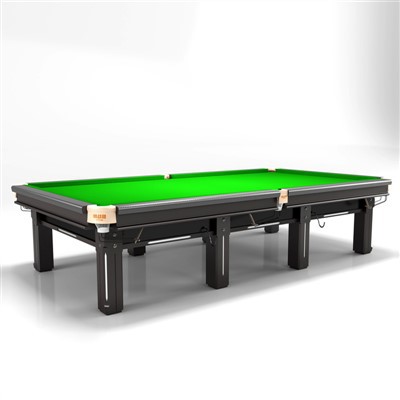
First off, let’s get one thing straight: Chinese billiards (sometimes called 9-ball pool, or sometimes just “Chinese pool” for short) isn’t the same as the standard 8-ball tables you might find at a typical bar. It’s got its own set of rules, a slightly smaller playing surface, and way tighter pockets—so the gear that works for a regular bar table isn’t always going to cut it here. That’s part of why the cue question matters so much. I’ve seen so many new owners waste money grabbing off-the-shelf cues from a big box store, only to have them warp or break after a few weeks because they’re not made for Chinese billiards’ faster play and tighter pockets.
Now, to answer the main question: Do Chinese billiards tables come with cues? The short answer is… it depends. Like, way more than most people think. It’s not a one-size-fits-all scenario, and that’s where most of the confusion comes in. Let’s start with the different types of suppliers you might be dealing with, because that’s the biggest variable here.
First, there are the budget, overseas bulk suppliers—you know the ones I mean, the ones that list tables for like $300-$500, super cheap, and they’re usually made of particleboard, not solid wood. Nine times out of 10, those tables do come with cues. But not good ones. Think flimsy, 1-piece cues that are like 40 inches long, made of pine with a plastic tip that falls off if you look at it wrong. I’ve had a customer bring one of these by my warehouse last year, and he told me he broke three cues in his first month owning the table from that supplier. These are basically throwaway cues—like, you use them once, and then they’re garbage. The good news is, most people who buy these cheap tables end up upgrading their cues within a month anyway, so the cheap ones are just a temporary band-aid.
Then there’s the mid-range to premium suppliers, which is the category my company falls into. For our tables, here’s the deal: when a customer buys a full setup for a game room or bar, we often include cues—but only if they’re the right ones. Wait, no, hold on, let me clarify: we don’t just throw in any cue. We include 2-piece, 58-inch custom cues made specifically for Chinese billiards, with hard tips that hold up to the tight pocket shots and the faster pace of the game. These aren’t the cheap ones, and we only include them when someone is buying a complete table package, not just a table on its own. A lot of our new customers come to us thinking, “Oh, a table comes with cues, so I don’t need to buy extra,” and then they’re surprised when I say, “Yeah, but only if you get the full package.” If you just buy the table alone, it’s shipped without cues—mostly because we don’t want to risk damaging the cues during shipping, and also because we know most people who are serious about Chinese billiards have their own preferred cues anyway.
Wait, but let’s talk about the people who buy tables for home use. I’ve got a regular customer, Mike, who bought a premium Chinese billiards table for his basement game room last year. He told me he asked the same question when he was ordering, and I explained the setup: no cues with just the table, but he could add a set of four high-quality cues (two for him, two for his friends) for an extra $150. He went with it, and he texts me every now and then saying how much his friends love the setup. But then there’s another guy, Jake, who bought a budget table last year because he just wanted something for casual play with his kids. The cheap cues that came with it worked for a few months, until his oldest snapped one in half while trying to do a trick shot (don’t ask, kids and trick shots are a bad combo), and then Jake bought a set of 2-piece cues at a local sporting goods store for $40, and they work fine for his casual use.
Here’s the thing that most people don’t realize: Chinese billiards has way more competitive play than a lot of folks outside of China think. There are national tournaments, even international ones now, and the pros use cues that cost $200-$500, custom-made to their exact specifications. So if you’re buying a table for casual play with friends, the cues that come with it (if any) are fine. But if you’re setting up a bar, a game room, or planning to host tournaments, you’ll need to invest in higher-quality cues anyway—even if the table comes with some cheap ones.
Another big factor is shipping. A lot of Chinese billiards tables are shipped cross-country (or even internationally, though I only ship within North America for now). When you’re shipping a 7-foot table, it’s already a big, bulky, heavy item. Adding even a few cues to the package means more weight, more risk of damage during shipping (cues can get bent or chipped if they’re not packed right), and higher shipping costs. That’s why a lot of premium suppliers, myself included, choose to ship tables separately from cues. We’ll offer them as an add-on, so you can pick them up when you’re ready, and we can pack them properly to avoid damage. I’ve seen too many horror stories of suppliers packing cues loose in a table crate, only for the tips to get scuffed or the shafts to bend during a long truck ride. It’s not worth it, in my opinion.
Wait, let’s talk about what cues actually work best for Chinese billiards, because that’s part of the conversation too. I get a lot of customers asking, “Can I use a standard 8-ball cue with my Chinese billiards table?” The short answer is: yeah, you can, but it’s not ideal. Chinese billiards tables are smaller (usually 7 feet, vs. 8 or 9 feet for standard 8-ball), the pockets are tighter, and the balls are a little smaller? No, wait, actually the balls are the same size—wait, let me get that right. No, wait, Chinese billiards uses the same 2.25-inch balls as standard pool, but the table is shorter, the pockets are narrower at the opening, and the rails are tighter, so shots are more precise. That’s why a cue with a smaller tip (11.5mm is standard for Chinese billiards) works way better than a 13mm tip you’d use for a standard bar table. The smaller tip gives you more control over the ball, which is crucial for those tight pocket shots.
I once had a customer bring his own standard 8-ball cue to a demo at my warehouse, and he tried a few shots on my Chinese billiards table. He ended up buying one of our custom add-on cues because he said he couldn’t get the same precision with his old one. That’s why, when I do include cues with table packages, they’re always the smaller-tip, 2-piece cues made specifically for Chinese billiards. It’s not just a random add-on—it’s a product that’s designed to work with the table, so customers get the best experience possible.
Now, let’s clear up some of the myths I hear all the time. First myth: All Chinese billiards tables come with free cues. No, that’s not true. Only the budget ones usually do, and those are garbage. Premium tables don’t come with cues included, because we’d rather you buy quality gear that works with the table, not throwaway stuff that’ll break in a week. Second myth: You have to buy cues from the same supplier as your table. No, you can buy cues anywhere, but I always recommend buying from someone who knows Chinese billiards, because they’ll point you to the right size and tip. Third myth: Cues are a scam add-on. For budget suppliers, yeah, sometimes they are—they mark up the cheap cues to make extra money. But for reputable suppliers like mine, the add-on cues are a fair price for quality gear that’s designed to work with your table.
Let me give you a real example. Last quarter, a guy named Tom ordered a mid-range Chinese billiards table for his bar in Chicago. He initially asked, “Do I need to buy cues separately?” I explained that if he bought the table alone, no cues, but he could add a set of four custom cues for $120, which was way cheaper than buying them at a local game store. He went with it, and when he picked up the table, he texted me a photo of his bar’s new setup. A month later, he sent me another text saying his regulars have been asking where he got the table, and half a dozen of them have come to me asking about purchasing tables for their own bars. That’s exactly why I do this—because when you get the right gear paired with the right table, it makes the whole experience way better.
Another thing I’ve noticed: a lot of home buyers don’t realize that they don’t need to invest in super expensive cues. If you’re just playing with friends on weekends, a $50 set of 2-piece cues works fine. But if you’re a serious player, or you plan to host regular game nights, you’ll want to step up to the $150-$200 range. I always tell customers to match the cue to their use, not to the table. The table is the biggest investment, so make sure it’s right, but the cues can be upgraded later if you decide you want better ones.
Wait, let’s circle back to the original question again, just to make sure we’re covering all angles. If you’re shopping for a Chinese billiards table, here’s what you need to know:
- If you’re looking at a super cheap, bulk-priced table from a no-name supplier: It will almost definitely come with cues, but they’re low-quality, throwaway, and probably not made for Chinese billiards.
- If you’re buying a mid-range or premium table from a reputable supplier: It will NOT come with cues as a standard part of the price, but you can add a set of high-quality, table-specific cues for a small extra cost.
- If you’re buying used: It depends on the seller. Some will include cues, some won’t, so just ask before you buy.
- If you’re buying for casual use vs. competitive use: Casual use can work with cheap cues, but competitive or regular play will need specialized cues.
I also want to mention something about quality control, because that’s what I care most about. A lot of the cheap cues that come with budget tables are made with low-quality wood that warps easily, or plastic tips that don’t hold chalk. I’ve had customers bring these in and show me a cue that’s bent just a month after they got it, and it’s almost always because it was made with that cheap wood. That’s why I choose to not include cues with my tables unless the customer specifically asks for the high-quality ones. I don’t want my name tied to a flimsy product that’ll leave a bad taste in someone’s mouth.
I’ve been in this industry for about 8 years now, and I’ve worked with hundreds of customers, from first-time buyers to bar owners with multiple tables. The number one mistake I see people make is assuming that all tables come with all the gear you need, without doing a little research first. I once had a guy show up at my warehouse with a $400 Chinese billiards table he bought online, and he was confused because there were no cues. Turns out, the listing said “table only,” but he missed that part when he was scrolling through the website. That’s why I always tell customers to read the fine print, or just ask me directly—no question is stupid, and I’d rather answer a dozen questions than have someone end up frustrated with their purchase.

At the end of the day, the answer to “Do Chinese billiards tables come with cues?” is not a yes or no. It’s a “it depends” that’s based on what kind of table you’re buying, who you’re buying it from, and what you plan to use the table for. If you’re looking for a table that’s built to last, with the right gear to go with it, skip the budget bulk suppliers and work with someone who knows Chinese billiards inside and out.
Pool Dawg Cues If you’re ready to browse tables, or you have more questions about cues, shipping, or setup, I’m here to help. Whether you’re buying one table for your basement or setting up a full game room for a bar, we can work together to get you the right equipment at a fair price. Just reach out, and we can chat through all the details—no pressure, no jargon, just straight talk about what works for you.
References
- Billiards Congress of America. (2022). Chinese 9-Ball: Rules and Equipment Standards. Professional Billiards Association.
- Game Room Market Report. (2023). Consumer Trends in Home and Commercial Billiard Equipment. National Amusement and Music Operators Association.
- Wu, L. (2021). The Rise of Chinese Billiards in Global Casual and Competitive Play. International Sports Business Journal, 18(3), 45-62.
Shuai Zhanjiang (Dongguan) Co., Ltd.
As one of the leading chinese billiards table manufacturers and suppliers in China, we offer a wide range of products with superior quality. Please rest assured to buy chinese billiards table made in China here from our factory. We also accept customized orders.
Address: No. 50 Siyuan Road, Changping Town, Dongguan City, Guangdong Province
E-mail: cbibilliard01@gmail.com
WebSite: https://www.cbibilliard.com/
