If you’re in the market for melamine blockboard, you’ve likely noticed how many suppliers flood the space these days—and for good reason. As someone who’s been a melamine blockboard supplier for 12 years, I’ve seen this material go from a niche pick for cabinet makers to a go-to for everything from custom furniture to office partitions, pantry shelving, and even kids’ play structures. The problem? Most buyers don’t know what to look for beyond “it’s cheap” or “it looks smooth.” Pick the wrong melamine blockboard, and you’ll deal with warped panels within a year, edges that chip after a handful of uses, or a surface that fades under sunlight. Over the years, I’ve fielded calls from frustrated builders who bought a $10 cheaper panel only to replace it three times, and that’s why I put together this guide to help you choose the right one, no guesswork required. Melamine Blockboard
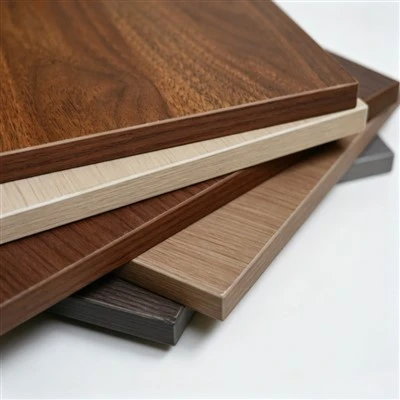
First, let’s ground this in what melamine blockboard actually is, because a lot of the confusion comes from mixing up it with other wood-based panels. Blockboard is a type of engineered wood made from solid wood strips (called “blocks”) glued side-by-side, sandwiched between two thin veneers of plywood or particleboard. The melamine part is the resin-impregnated paper pressed onto the top and bottom surfaces—this is the decorative, scratch-resistant layer that gives the panel its color and finish. The structure of blockboard is key here: unlike particleboard, which is fine wood dust pressed tight, blockboard’s solid wood core makes it far more stable, less prone to expanding or contracting with temperature and humidity shifts. That’s why it’s preferred for furniture that needs to hold heavy weight, like a kitchen island or a bookshelf. But not all blockboards are made equal, and the melamine layer is where most shortcuts happen.
Let’s start with the core, because a panel is only as strong as its middle. The solid wood blocks that form the core are the foundation, and suppliers can cut corners here in big ways. The best melamine blockboard uses kiln-dried solid wood blocks—kiln drying removes excess moisture, so the panel won’t warp or split as humidity changes. Cheap suppliers might use air-dried wood, which still has 12-15% moisture content, leading to swelling and gaps between blocks over time. You’ll also want to check the size of the blocks: ideal blocks are 25-50mm wide, with tight, even gaps between them (no wider than 1mm). If the gaps are bigger, glue can seep through the melamine surface, leaving ugly dark spots, and the panel will be weaker along those seams. Another red flag: some suppliers mix different types of wood for the core, like soft pine blocks next to hard oak, which have different expansion rates and cause uneven warping. Stick to blocks made from a single species of hard wood, like poplar, pine, or birch—birch blocks are the most stable, in my experience, for most applications.
Next up, the melamine surface itself, which is what makes the panel functional and decorative. Not all melamine layers are the same, and this is where you can spot a quality supplier vs. a cut-rate one. The thickness of the melamine film matters: good panels have a melamine layer that’s at least 0.6mm thick, while cheap ones might be 0.3mm or thinner. Thicker melamine is far more resistant to scratches, stains, and chipping—test this by running a coin across the surface; a thin layer will scratch easily, while a thick one will barely mark. You’ll also want to look at the resin content of the melamine: melamine is a thermoset resin, so higher resin content means a harder, more durable surface. Low-resin melamine will feel soft to the touch, and it can even absorb liquids, leaving stains that won’t come out. Another detail that’s easy to miss: the printing under the melamine. Quality suppliers use high-resolution, color-stable printing, so the finish won’t fade or yellow under sunlight after a few years. Cheap suppliers use low-quality inks that fade to a dull, yellowed brown within a year, especially if the panel is going in a space with lots of natural light. I’ve seen this happen with kitchen cabinets: a cheap melamine panel that was bright white when installed turned a dingy yellow in just 18 months, while our high-resin panels stay bright for 5+ years.
Then there’s the glue, which is another hidden factor that affects safety and durability. The glue used to bond the core blocks and the melamine surface matters a lot—for indoor applications, you want formaldehyde-free or low-formaldehyde glue, like MDI (methylene diphenyl diisocyanate) or E0-grade glue. E0 is the European standard for formaldehyde emissions, allowing less than 0.05mg of formaldehyde per cubic meter of air, which is safe for homes, especially if you’re making furniture for kids. Cheap suppliers often use urea-formaldehyde glue, which is cheaper but releases formaldehyde over time, leading to that chemical smell you get from cheap particleboard, and long-term exposure isn’t ideal. If the panel has a strong, sharp chemical odor when you first unbox it, that’s a sign of urea-formaldehyde glue. Quality melamine blockboard from a reputable supplier will have little to no smell, or a faint, woody scent.
Let’s also talk about the edges, because this is where most panels start to fail. The raw cut edges of blockboard are made of the core blocks, and if you leave them exposed, they’ll absorb moisture, swell, and look messy over time. Good suppliers will edge-band the panels, either with PVC, wood veneer, or aluminum, to seal the edges. Cheap suppliers might skip edge-banding entirely, or use thin, loose PVC that falls off within a few months. If you’re buying panels for furniture, always pick one with fully edge-banded edges—otherwise, you’ll have to do that work yourself, which adds time and cost to your project. Another edge detail: the uniformity of the cut. A quality blockboard has straight, clean edges, no splinters or uneven cuts, which makes it easier to install or assemble furniture.
Now, how do you verify all this without cutting open a panel? As a supplier, I know buyers don’t always have the chance to inspect a sample closely, so here are a few simple tests you can do even if you’re ordering online or over the phone. First, ask for a sample: run a small screwdriver or coin across the melamine surface. If it scratches easily, it’s too thin. Then, smell the sample: if it has a strong chemical smell, walk away. Next, check the weight: a good melamine blockboard is heavier than a cheap panel of the same size, because it uses denser, kiln-dried wood blocks and thicker melamine. If your supplier is offering a 20mm thick panel for $10 less than everyone else, it’s likely made with lighter, thinner core blocks or low-quality melamine.
Another thing to consider is the grade of the blockboard. Most suppliers grade blockboards based on the quality of the core blocks and surface. The most common grades are: A-grade (all blocks are uniform, no defects, perfect melamine surface), B-grade (minor defects in the core, like small knots, or slight variations in the melamine surface, good for interior parts that aren’t visible), and C-grade (large knots or gaps in the core, only good for structural parts that will be covered). Make sure you’re picking the right grade for your project: if you’re making kitchen cabinets that will be visible, A-grade is worth the investment; if you’re making a workbench where the back will be hidden, B-grade works great.
Let’s also touch on common applications, because the right panel depends on what you’re using it for. For kitchen cabinets: you want A-grade, 0.6mm thick melamine, low-formaldehyde glue, and fully edge-banded edges—kitchens have high humidity and lots of use, so durability is key. For bookshelves or pantry shelving: B-grade is usually fine, since these are structural and not as high-traffic, but still go for kiln-dried blocks to avoid warping. For office partitions: pick a panel with scratch-resistant melamine, since offices see heavy foot traffic and frequent moving of items. For kids’ furniture: prioritize low-formaldehyde, A-grade, and stain-resistant melamine, since kids spill and make messes.
Now, a common mistake I see buyers make is looking only at price. I get it, every project has a budget, but cutting corners on melamine blockboard will cost you more in the long run. I had a customer a couple years back who bought 50 sheets of cheap melamine blockboard for a custom furniture order, saved $300 upfront, but within 6 months, 20 sheets warped, 15 had chipped melamine edges, and he had to replace the whole batch for another $1,200. That’s a $900 loss just to save a little money initially. A quality melamine blockboard might cost 10-15% more upfront, but it will last 5-10 years longer, saving you time and money on replacements.
If you’re still not sure what’s right for your project, here’s a quick checklist to keep handy:
- Check the core: Kiln-dried solid wood blocks, 25-50mm wide, no mixed wood species, tight gaps between blocks.
- Check the melamine: At least 0.6mm thick, color-stable, low-resin (test the scratch).
- Check the glue: Low-formaldehyde or formaldehyde-free, no strong chemical smell.
- Check the edges: Fully edge-banded, straight, no splinters.
- Match the grade to your project: A-grade for visible furniture, B-grade for structural.
Melamine Faced Plywood At the end of the day, choosing the right melamine blockboard is about balancing quality and your specific needs. It’s not about picking the cheapest option, nor the most expensive— it’s about knowing what to look for so you get a panel that works for your project, lasts, and is safe. If you’re ready to source melamine blockboard for your next project, or have questions about grades, sizes, or custom finishes, feel free to reach out for a consultation. We can share samples, walk you through our production processes, and help you pick the right panel that fits your budget and needs.
References
- Forest Products Laboratory, U.S. Department of Agriculture. Wood-Based Panel Products: Blockboard Composition and Performance. 2021.
- European Committee for Standardization (CEN). EN 312: Particleboards and Solid Wood Boards for Load-Bearing Applications. 2010.
- Melamine Resin Manufacturers Association. Melamine Film Thickness and Durability Standards for Interior Wood Panels. 2019.
- World Health Organization (WHO). Formaldehyde Emissions from Engineered Wood Products: Indoor Air Quality Guidelines. 2018.
Jiangshan Shunlong Wood Industry Co., Ltd.
As one of the most professional melamine blockboard manufacturers and suppliers in China, our products have good reputation in the market. Please feel free to wholesale bulk melamine blockboard in stock here and get quotation from our factory. We also accept customized orders.
Address: No.7 Jinfeng Road, Jintangshan Industrial Zone, Hecun Town, Jiangshan City, Quzhou City, Zhejiang Province
E-mail: 17858202655@163.com
WebSite: https://www.shunlongwood.com/
