Hey everyone, Fuel Injector
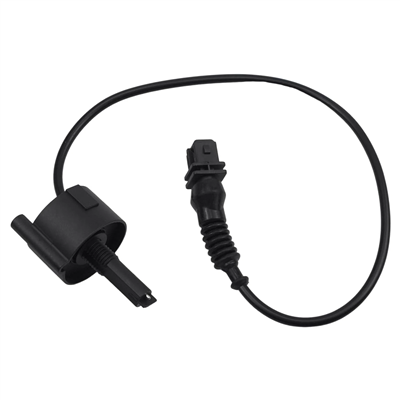
If you’ve ever been behind the wheel of a car that just feels… off — like it’s stumbling when you hit the gas, or the fuel economy’s suddenly dropped out of nowhere — you might’ve asked yourself: “Wait, could my fuel injectors be the problem?” And if you’re someone who’s had to deal with random repair bills, you’ve definitely wondered, “How often do I even need to replace these things anyway?”
As a fuel injector supplier, I talk to guys in auto shops, DIY mechanics, and regular car owners every single day about this exact question. A lot of the stuff you read online is either way too vague (“every 50k miles!”) or just straight-up wrong, so let me break this down like I would to a buddy who’s asking for real, no-BS info. No fancy jargon, no copy-pasted manufacturer guidelines that don’t apply to your actual car.
First, let’s get one thing straight: fuel injectors aren’t like brake pads, where you can pop ’em off and see half the material’s worn down. They’re tiny, precision parts — little nozzles that spray a fine mist of fuel into the engine’s combustion chamber, right? If they clog, leak, or stop spraying evenly, that messes up your engine’s performance, gas mileage, and even emissions. But how often does that actually happen?
Here’s the big secret: there’s no one-size-fits-all number. I’ve seen injectors go 150k miles without a single issue, and I’ve seen ones die at 40k because someone filled up with cheap, dirty gas. That’s why so many sources give conflicting advice. But let’s ground this in real data and real use cases.
First, let’s talk about what causes fuel injectors to fail or need replacement. It’s not just age — it’s three main things: clogging, leaks, and electrical issues. Clogging is the most common. Over time, tiny impurities in fuel (even the stuff in “top-tier” gas) build up on the injector’s tip, turning that fine spray into a dribble. That happens faster if you frequently drive short distances — like commuting 5 miles to work every day — because the engine doesn’t get hot enough to burn off those deposits. I see this all the time: city drivers have way more injector issues than highway drivers, because highway trips are long enough to burn through buildup.
Leaks usually happen from worn internal seals or cracks in the injector body. That’s more common if you live in a place with extreme temperature swings — cold winters that make rubber seals brittle, or hot summers that warp metal parts. And electrical issues? That’s usually from corrosion on the injector’s wiring connector, which is super common if you park your car outside in rain or snow.
So with that out of the way, what’s a reasonable timeline for most drivers? For regular cars (sedans, small SUVs, pickup trucks that run on gasoline), I tell folks to plan for inspection at 60k miles, and replacement if they show clear signs of trouble, between 80k and 120k miles. Wait, “inspection before replacement” — why? Because a lot of the time, you don’t even need to replace the whole injector. We get tons of inquiries from people who think their injectors are dead, but they just need a professional cleaning. That’s a $50-$100 service vs. $200-$300 per injector, so it’s a huge difference.
Diesel fuel injectors are a whole different story, though. They’re way bigger, handle way higher pressure, and are way more prone to clogging from diesel’s natural carbon buildup. I’ve seen diesel injectors start failing as early as 50k miles, especially in trucks used for heavy work or frequent short trips. Commercial fleets I work with usually replace their diesel injectors around 70k miles just as preventive maintenance, because a failed injector can derail a whole workday.
Now, let’s talk about the signs you actually need to replace your injectors — because ignoring these can turn a $300 repair into a $3,000 engine overhaul. The first big one is rough idle. If your car shakes when it’s stopped at a red light, that’s one injector not firing right. Next is bad gas mileage: if you used to get 25 mpg and now you’re only getting 20, no other changes (like new tires or a different driving style), injectors are almost always the culprit. You might also notice a check engine light that pops up with codes like “fuel system imbalance” or “injector circuit malfunction.” Another red flag is a strong smell of gas when you park your car — that’s a leaky injector, and that’s a fire hazard, so get that checked immediately.
Wait, but what about cleaning vs. replacement? I can’t stress this enough: cleaning only works for mild clogs. If your injector is leaking, has a broken spray pattern, or electrical issues, cleaning won’t fix it. A lot of DIY kits you see online promise to “unclog injectors from home,” but 9 times out of 10, that only removes surface gunk, not the hard buildup inside the nozzle. And if you force chemicals through a faulty injector, you can end up damaging the internal parts more, leading to a way bigger problem down the line.
I get asked all the time: “Can I just keep driving with bad injectors?” Sure, for a little while, but you’re wasting money on gas, wearing out your spark plugs and catalytic converter faster, and putting yourself at risk of a breakdown. I had a customer last year who put off replacing his injectors for 6 months, and ended up blowing a catalytic converter that cost $1,200 to replace — way more than the $400 he would’ve spent on new injectors.
Now, let’s talk about how to make your injectors last as long as possible, because the best replacement is the one you never need to do. First, use top-tier gas. I know it’s a few cents more, but brands like Chevron, Shell, and Exxon have additives that keep deposits from building up. Second, don’t always drive short trips. Every few weeks, take your car on a 20-minute highway drive — that gets the engine hot enough to burn off any gunk in the injectors. Third, if you park outside, keep the wiring connectors covered if you can, or just wipe ’em down a couple times a year to prevent corrosion. And last, don’t skip regular tune-ups. Your mechanic should check your injectors during every major service (every 30k miles) to catch issues early.
As a supplier, I see all kinds of injectors — the good, the bad, the ones that were abused with cheap gas, the ones that were well-cared-for. The number one mistake people make is waiting until the problem is super obvious before doing anything. By the time your check engine light is flashing, you’ve already done damage.
Let’s wrap this up: if you’re a daily driver with a gas car, plan to have your injectors inspected at 60k miles, and don’t panic if the mechanic says “they’re a little clogged” — a cleaning might do the trick. If you start noticing rough idle, bad gas mileage, or a gas smell, don’t wait to get it checked. For most gas cars, replacement will be somewhere between 80k and 120k miles, but diesel is usually earlier, around 50k to 70k.

If you’re not sure whether your injectors need replaced, or you’re shopping for reliable, high-quality injectors that won’t die prematurely, I’m here to help. We work with DIY mechanics, small auto shops, and fleet operators, so whatever your needs are, we can hook you up with parts that are tested to last. Just reach out to our team to start a conversation — no pressure, no complicated hoops to jump through, just straight talk about what your car needs.
TD/TCD4.1/6.1 References
- Automotive Fleet & Leasing Association (AFLA) – Fuel Injector Maintenance Guidelines, 2022
- Society of Automotive Engineers (SAE) – Effects of Fuel Injector Deposits on Engine Performance, 2019
- EPA – Light-Duty Vehicle Fuel System Maintenance Recommendations, 2021
- National Institute for Automotive Service Excellence (ASE) – Medium and Heavy-Duty Diesel Injector Service Standards, 2020
Xingtai Haoheng Trading Co., Ltd.
Xingtai Haoheng Trading Co., Ltd. is one of the most professional fuel injector manufacturers and suppliers in China, specialized in providing high quality auto parts made in China. We warmly welcome you to wholesale discount fuel injector in stock here from our factory. For customized service, contact us now.
Address: No.88, Quannan Street, Shangquancheng, Xingtai, Hebei, China.
E-mail: Zhang@hauhen.com
WebSite: https://www.xtengineparts.com/
