Hey there! I’m a supplier of animal sculptures, and I know how important it is to keep these beautiful pieces looking their best. Cleaning an animal sculpture without causing any damage can be a bit tricky, but with the right approach, it’s totally doable. In this blog, I’ll share some tips and tricks that I’ve picked up over the years to help you clean your animal sculptures safely and effectively. Animal Sculpture

Understanding Your Sculpture’s Material
The first step in cleaning any animal sculpture is to figure out what it’s made of. Different materials require different cleaning methods, so it’s crucial to know what you’re working with. Here are some common materials used in animal sculptures and how to clean them:
Stone
Stone sculptures, like marble or granite, are pretty durable but can be sensitive to harsh chemicals. To clean a stone animal sculpture, start by using a soft brush to gently remove any loose dirt or debris. You can use a dry brush for light dusting or a slightly damp one for more stubborn dirt.
Next, make a mild cleaning solution by mixing a few drops of dish soap with warm water. Dip a soft cloth into the solution, wring it out well so it’s just damp, and then gently wipe the sculpture. Avoid soaking the stone, as this can cause water damage. After cleaning, rinse the cloth in clean water and wipe the sculpture again to remove any soap residue. Finally, dry the sculpture with a soft, clean cloth.
Metal
Metal sculptures, such as bronze or copper, can develop a patina over time, which some people actually like. But if you want to clean it, be careful not to remove the patina unless you’re sure you want to. For light cleaning, use a soft, dry cloth to dust the sculpture. If there are smudges or fingerprints, you can use a microfiber cloth slightly dampened with water to wipe them away.
For more stubborn dirt or oxidation, you can use a specialized metal cleaner. Just make sure to follow the instructions on the cleaner carefully and test it on a small, inconspicuous area first. After cleaning, dry the sculpture thoroughly to prevent rusting.
Resin
Resin sculptures are lightweight and often affordable, but they can be scratched easily. To clean a resin animal sculpture, start by using a can of compressed air to blow away any loose dust or debris. Then, use a soft, dry cloth to gently wipe the surface. If there are stubborn stains, you can make a mild cleaning solution by mixing a small amount of mild dish soap with water.
Dip a soft sponge or cloth into the solution, wring it out well, and then gently wipe the stained area. Avoid using abrasive materials or scrubbing too hard, as this can scratch the resin. After cleaning, rinse the sponge or cloth in clean water and wipe the sculpture again to remove any soap residue. Finally, dry the sculpture with a soft, clean cloth.
Wood
Wooden animal sculptures are beautiful but require special care. First, use a soft brush to remove any loose dirt or dust. Then, you can use a mild wood cleaner or a mixture of water and vinegar (in a 1:1 ratio) to clean the surface. Dip a soft cloth into the cleaner, wring it out well, and then gently wipe the wood.
Avoid getting the wood too wet, as this can cause it to warp or crack. After cleaning, dry the sculpture with a soft, dry cloth. You may also want to apply a thin layer of wood polish or wax to protect the wood and give it a nice shine.
Pre – cleaning Inspection
Before you start cleaning your animal sculpture, it’s a good idea to do a thorough inspection. Look for any cracks, chips, or loose parts. If you notice any damage, it’s best to consult a professional restorer before attempting to clean the sculpture. Cleaning a damaged sculpture could potentially make the damage worse.
Also, take note of any areas that are particularly dirty or stained. This will help you focus your cleaning efforts and use the appropriate cleaning methods for those areas.
Step – by – Step Cleaning Process
Initial Dusting
No matter what material your animal sculpture is made of, the first step is usually to remove the loose dust. Use a soft – bristle brush, like a paintbrush or a makeup brush, to gently brush away the dust. Start from the top of the sculpture and work your way down, so the dust doesn’t fall onto the areas you’ve already cleaned.
Spot Cleaning
If there are specific spots or stains on the sculpture, you’ll need to address them separately. For example, if there’s a food stain on a resin sculpture, you can use the mild soap and water solution I mentioned earlier. Apply the solution to a soft cloth and gently dab the stain. Don’t rub too hard, as this can spread the stain or damage the surface.
Overall Cleaning
Once you’ve done the spot cleaning and removed the loose dust, it’s time for the overall cleaning. Follow the cleaning method appropriate for the material of your sculpture, as described above. Make sure to cover all areas of the sculpture evenly.
Rinsing and Drying
After cleaning, it’s important to remove any cleaning solution residue. If you used a water – based solution, rinse the cloth in clean water and wipe the sculpture again. For metal sculptures cleaned with a specialized cleaner, follow the instructions on the cleaner regarding rinsing.
Then, dry the sculpture thoroughly. Use a soft, clean cloth to gently pat the sculpture dry. Make sure there’s no moisture left on the surface, as this can lead to mold growth or other problems, especially for wood and stone sculptures.
Tips for Avoiding Damage
- Use the right tools: Always use soft brushes, cloths, and sponges. Avoid using abrasive materials like steel wool or scouring pads, as they can scratch the sculpture’s surface.
- Be gentle: Don’t scrub or apply too much pressure when cleaning. The goal is to remove dirt, not damage the sculpture.
- Test cleaning products: Before using any new cleaning product on the entire sculpture, test it on a small, hidden area first. This will help you make sure the product won’t cause any discoloration or damage.
Storage and Maintenance
After cleaning your animal sculpture, proper storage and maintenance are key to keeping it in good condition. If you’re not displaying the sculpture, store it in a cool, dry place away from direct sunlight and extreme temperatures. You can also use a dust cover to protect it from dust and debris.
Regularly dust the sculpture with a soft cloth to prevent dirt from building up. And if you notice any signs of damage or deterioration over time, address them promptly to prevent further problems.
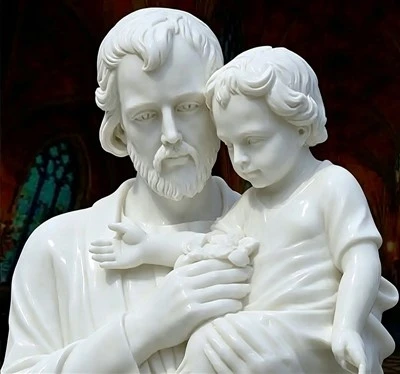
If you’re in the market for high – quality animal sculptures, I’m here to help! As a supplier, I have a wide range of animal sculptures in various materials, styles, and sizes. Whether you’re looking for a small decorative piece for your home or a large, statement – making sculpture for a public space, I’ve got you covered.
Christian Sculpture If you’re interested in purchasing animal sculptures or have any questions about cleaning or maintenance, feel free to reach out for a discussion. I’m always happy to share my knowledge and help you find the perfect sculptures for your needs.
References
- "The Care and Cleaning of Art Objects" by various conservation experts
- "Sculpture Conservation: A Guide to Best Practices" published by a leading art conservation institute
- Online forums and communities for art collectors and enthusiasts where practical tips on sculpture cleaning are shared.
Quyang Zhongshi Stone Sculpture Co., Ltd.
We are one of the most experienced animal sculpture manufacturers and suppliers in China. With a professional production team, we offer a wide range of products with superior quality. Please feel free to wholesale custom made animal sculpture from our factory.
Address: Yangping Development Zone, Quyang County, Hebei Province, China
E-mail: 12345@QQ.COM
WebSite: https://www.zhongshisculpture.com/
