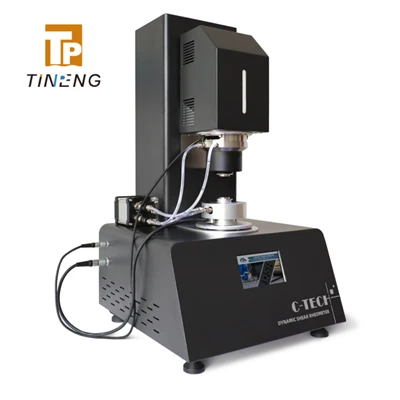
In the dynamic field of cement production and quality control, the performance and accuracy of testing equipment play a pivotal role. As a seasoned supplier of cement testing equipment, I’ve witnessed firsthand the transformative impact of upgrading these tools. In this blog, I’ll share insights on how to upgrade cement testing equipment, ensuring that your operations remain at the forefront of quality and efficiency. Cement Testing Equipment
Understanding the Need for Upgrades
Before delving into the upgrade process, it’s essential to understand why upgrading cement testing equipment is necessary. Over time, technological advancements introduce new features and capabilities that can significantly enhance the accuracy, reliability, and efficiency of testing procedures. Additionally, regulatory requirements may change, necessitating the use of more advanced equipment to ensure compliance.
One of the primary reasons for upgrading is to improve the accuracy of test results. Modern equipment often incorporates advanced sensors and measurement techniques that can provide more precise data, reducing the margin of error and improving the overall quality of cement products. For example, new-generation compressive strength testing machines can measure forces with greater accuracy, allowing for more reliable assessment of cement’s structural integrity.
Another important factor is efficiency. Upgraded equipment can streamline testing processes, reducing the time and labor required to conduct tests. Automated systems, for instance, can perform multiple tests simultaneously, increasing throughput and productivity. This not only saves time but also reduces costs associated with manual labor.
Assessing Your Current Equipment
The first step in upgrading your cement testing equipment is to assess your current setup. This involves evaluating the performance, functionality, and condition of your existing equipment. Consider factors such as the age of the equipment, its maintenance history, and any recurring issues or limitations.
Start by conducting a thorough inspection of each piece of equipment. Check for signs of wear and tear, such as damaged components or loose connections. Look for any outdated features or technologies that may be hindering the equipment’s performance. Additionally, review the test results generated by the equipment to identify any patterns or trends that may indicate a need for improvement.
Once you have a clear understanding of your current equipment, you can prioritize which items need to be upgraded. Focus on equipment that is critical to your testing processes or that is causing the most significant issues. For example, if your compressive strength testing machine is consistently producing inaccurate results, it may be a top priority for upgrade.
Researching New Equipment
After assessing your current equipment, the next step is to research new options. There are many different types of cement testing equipment available on the market, each with its own features, capabilities, and price points. When researching new equipment, consider your specific testing requirements, budget, and long-term goals.
Start by identifying the key features and capabilities that you need in your new equipment. For example, if you need to test the fineness of cement, you may want to look for equipment that can provide accurate and reliable measurements of particle size distribution. If you need to conduct multiple tests simultaneously, you may want to consider automated systems that can streamline the testing process.
Next, research different manufacturers and suppliers of cement testing equipment. Look for companies that have a reputation for quality, reliability, and customer support. Read reviews and testimonials from other customers to get an idea of their experiences with the equipment and the company. Additionally, consider the warranty and after-sales service offered by the manufacturer.
Once you have identified a few potential options, compare the features, capabilities, and prices of each. Look for equipment that offers the best value for your money, taking into account both the upfront cost and the long-term benefits. Consider factors such as the durability of the equipment, the ease of use, and the availability of spare parts and technical support.
Budgeting for Upgrades
Upgrading cement testing equipment can be a significant investment, so it’s important to budget carefully. Start by determining how much you are willing and able to spend on the upgrades. Consider the cost of the new equipment, as well as any associated expenses such as installation, training, and maintenance.
When budgeting for upgrades, it’s important to consider the long-term benefits. While the upfront cost of new equipment may be higher, it can often result in significant savings over time. For example, upgraded equipment may be more energy-efficient, reducing your operating costs. Additionally, more accurate test results can help you avoid costly mistakes and improve the quality of your cement products, leading to increased customer satisfaction and sales.
If you are on a tight budget, you may want to consider upgrading your equipment in stages. Start by upgrading the most critical pieces of equipment first, and then gradually add additional upgrades as your budget allows. This approach can help you spread out the cost of the upgrades over time and ensure that you are getting the most value for your money.
Implementing the Upgrades
Once you have selected the new equipment and budgeted for the upgrades, it’s time to implement the changes. This involves installing the new equipment, training your staff on how to use it, and integrating it into your existing testing processes.
When installing the new equipment, make sure to follow the manufacturer’s instructions carefully. This may involve hiring a professional installer or technician to ensure that the equipment is installed correctly and safely. Additionally, make sure to test the equipment thoroughly before putting it into use to ensure that it is functioning properly.
Training your staff on how to use the new equipment is also essential. This may involve providing in-person training sessions, online tutorials, or user manuals. Make sure that your staff understands how to operate the equipment safely and effectively, as well as how to interpret the test results.
Finally, integrate the new equipment into your existing testing processes. This may involve updating your standard operating procedures, adjusting your testing schedules, and ensuring that the new equipment is compatible with your existing data management systems. Make sure to monitor the performance of the new equipment closely to ensure that it is meeting your expectations and that any issues are addressed promptly.
Maintaining and Updating Your Equipment
Once you have upgraded your cement testing equipment, it’s important to maintain and update it regularly to ensure that it continues to perform at its best. This involves following the manufacturer’s recommended maintenance schedule, conducting regular inspections and calibrations, and keeping up with the latest technological advancements.
Regular maintenance is essential to keep your equipment in good working condition. This may involve cleaning the equipment, lubricating moving parts, and replacing worn or damaged components. Make sure to follow the manufacturer’s recommended maintenance schedule to ensure that your equipment is properly maintained.
Conducting regular inspections and calibrations is also important to ensure that your equipment is providing accurate and reliable test results. This may involve using calibration standards and reference materials to verify the accuracy of the equipment. Make sure to conduct inspections and calibrations at regular intervals to ensure that your equipment is performing at its best.
Finally, keep up with the latest technological advancements in cement testing equipment. This may involve attending industry conferences and trade shows, reading industry publications, and networking with other professionals in the field. By staying up-to-date with the latest trends and technologies, you can ensure that your equipment remains competitive and that you are providing the best possible testing services to your customers.
Conclusion
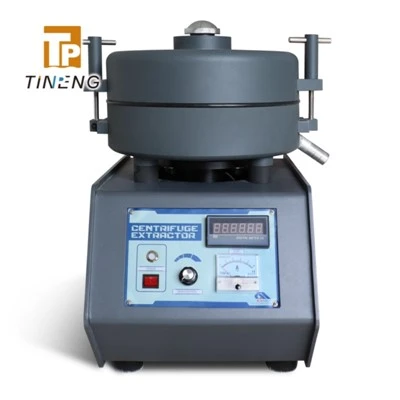
Upgrading cement testing equipment is an important investment that can have a significant impact on the quality and efficiency of your operations. By understanding the need for upgrades, assessing your current equipment, researching new options, budgeting carefully, implementing the changes, and maintaining and updating your equipment regularly, you can ensure that your testing processes remain at the forefront of quality and efficiency.
Static Cone Penetrometer If you are interested in upgrading your cement testing equipment, I encourage you to contact me to discuss your specific needs and requirements. As a leading supplier of cement testing equipment, I have the expertise and experience to help you select the right equipment for your operations and to provide you with the support and service you need to ensure its success.
References
- ASTM International. (2023). Standard test methods for physical testing of hydraulic cement. ASTM C109/C109M – 22a.
- BS EN 196-1:2016. Methods of testing cement – Part 1: Determination of strength.
- ISO 679:2019. Cement – Test methods – Determination of strength.
Zhuozhou Tianpeng Imp. and Exp. Trade Co., Ltd.
Zhuozhou Tianpeng Imp. and Exp. Trade Co., Ltd. is one of the most professional cement testing equipment manufacturers and suppliers in China, featured by quality products and good price. Please rest assured to buy advanced cement testing equipment made in China here from our factory. Customized orders are welcome.
Address: Building C28, Hegu Technology Industrial Park, Development Zone, Zhuozhou, Hebei, China
E-mail: zhangdajing@testmould.com
WebSite: https://www.testmould.net/
