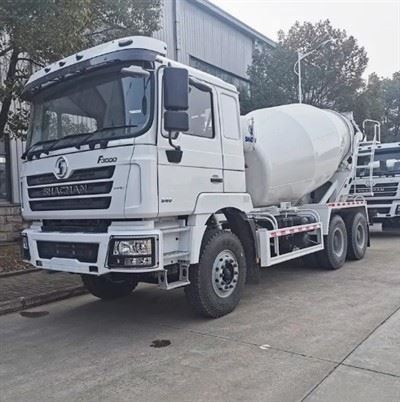
Choosing the right concrete mixer is a critical decision that can significantly impact the efficiency, quality, and cost-effectiveness of your construction projects. As a seasoned supplier of concrete mixers, I understand the challenges contractors face when selecting the appropriate equipment. In this blog post, I will share my expertise on how to choose the right concrete mixer based on various factors. Concrete Mixer
Project Requirements
The first step in choosing a concrete mixer is to assess your project requirements. Consider the volume of concrete you need to produce, the frequency of use, and the type of construction work. For small-scale projects, such as DIY home repairs or small landscaping jobs, a portable concrete mixer with a capacity of 1 to 3 cubic feet may be sufficient. These mixers are lightweight, easy to transport, and ideal for mixing small batches of concrete.
On the other hand, large-scale construction projects, such as commercial buildings or infrastructure projects, require high-capacity concrete mixers. These mixers can have capacities ranging from 6 to 12 cubic yards or more, allowing you to produce large volumes of concrete quickly and efficiently. Additionally, consider the type of concrete you will be mixing. Some projects may require a specific type of concrete, such as high-strength concrete or self-compacting concrete. Make sure the mixer you choose is capable of handling the specific requirements of your project.
Mixing Capacity and Output
Mixing capacity is a crucial factor to consider when choosing a concrete mixer. The capacity of a mixer is measured in cubic feet or cubic yards and determines how much concrete it can produce in a single batch. It’s important to choose a mixer with a capacity that matches your project needs. If you choose a mixer with a capacity that is too small, you may have to make multiple batches, which can be time-consuming and inefficient. On the other hand, if you choose a mixer with a capacity that is too large, you may waste materials and energy by mixing more concrete than you need.
In addition to mixing capacity, consider the mixer’s output rate. The output rate is the amount of concrete the mixer can produce per hour. This is an important factor if you have a tight project schedule and need to produce a large volume of concrete quickly. Look for a mixer with a high output rate to ensure that you can meet your project deadlines.
Mixing Type
There are two main types of concrete mixers: batch mixers and continuous mixers. Batch mixers are the most common type of mixer and are used to mix a specific volume of concrete in a single batch. These mixers are ideal for projects that require a consistent quality of concrete. Batch mixers can be further classified into drum mixers and pan mixers.
Drum mixers are the most popular type of batch mixer and consist of a rotating drum that mixes the concrete ingredients. These mixers are simple to operate and are suitable for a wide range of applications. Pan mixers, on the other hand, use a stationary pan and a rotating blade to mix the concrete ingredients. These mixers are more efficient than drum mixers and are capable of producing a higher-quality concrete.
Continuous mixers, as the name suggests, continuously mix the concrete ingredients as they are fed into the mixer. These mixers are ideal for large-scale projects that require a continuous supply of concrete. Continuous mixers are more efficient than batch mixers and can produce a large volume of concrete in a short amount of time.
Power Source
Concrete mixers can be powered by electricity, gasoline, or diesel. The choice of power source depends on several factors, including the availability of power, the location of the project, and the type of mixer.
Electric concrete mixers are the most common type of mixer and are suitable for indoor and outdoor use. These mixers are easy to operate, require less maintenance, and are more environmentally friendly than gasoline or diesel-powered mixers. However, they require a reliable source of electricity, which may not be available at all job sites.
Gasoline and diesel-powered concrete mixers are ideal for remote job sites or areas where electricity is not available. These mixers are more powerful than electric mixers and can handle larger loads. However, they require more maintenance and emit more pollutants than electric mixers.
Mobility and Portability
If you need to move your concrete mixer from one job site to another, consider its mobility and portability. Some mixers are designed to be portable and can be easily transported using a truck or trailer. These mixers are ideal for contractors who work on multiple job sites.
Look for a mixer with features such as wheels, a tow hitch, and a compact design for easy transportation. Additionally, consider the weight of the mixer, as heavier mixers may require a larger vehicle for transportation.
Durability and Maintenance
Investing in a durable concrete mixer is essential to ensure long-term performance and reliability. Look for a mixer that is made from high-quality materials, such as heavy-duty steel, and has a robust construction. A well-built mixer will be able to withstand the rigors of daily use and the harsh conditions of construction sites.
In addition to durability, consider the maintenance requirements of the mixer. Regular maintenance is crucial to keep the mixer in good working condition and to prevent breakdowns. Look for a mixer that is easy to maintain and has accessible parts for cleaning and servicing.
Cost
Cost is an important factor to consider when choosing a concrete mixer. The price of a mixer can vary depending on its capacity, type, power source, and features. It’s important to set a budget and choose a mixer that offers the best value for your money.
While it may be tempting to choose the cheapest mixer available, keep in mind that quality and performance are also important. A low-quality mixer may cost less upfront but may end up costing you more in the long run due to frequent breakdowns and repairs.
Additional Features
Some concrete mixers come with additional features that can enhance their performance and convenience. For example, some mixers have a water计量 system that allows you to accurately measure the amount of water added to the concrete, ensuring a consistent mix. Other mixers may have a tilting drum or pan, which makes it easier to discharge the concrete.
Consider the additional features that are important to you and choose a mixer that offers these features. However, keep in mind that additional features may increase the cost of the mixer.
Read Reviews and Seek Recommendations
Before making a final decision, it’s a good idea to read reviews from other contractors who have used the concrete mixers you are considering. Online reviews can provide valuable insights into the performance, reliability, and durability of the mixers.
Additionally, seek recommendations from colleagues, friends, or industry professionals. They may have firsthand experience with different mixers and can provide valuable advice based on their own experiences.
Conclusion
Choosing the right concrete mixer is a crucial decision that can have a significant impact on the success of your construction projects. By considering factors such as project requirements, mixing capacity, mixing type, power source, mobility, durability, maintenance, cost, and additional features, you can make an informed decision and select a mixer that meets your needs and budget.
Self Loading Concrete Mixer Truckr As a concrete mixer supplier, I am committed to providing high-quality equipment and excellent customer service. If you have any questions or need further assistance in choosing the right concrete mixer for your project, please do not hesitate to contact me. I would be happy to help you find the perfect solution for your construction needs.
References
- Concrete Construction Handbook, 5th Edition, by the Portland Cement Association
- Construction Equipment for Civil Engineers, 3rd Edition, by Ian F. G. West
Shandong Fuxin Automobile Technology Co., Ltd.
We’re well-known as one of the leading concrete mixer manufacturers and suppliers in China, featured by quality products and good price. Please rest assured to buy advanced concrete mixer made in China here from our factory. Contact us for more details.
Address: West of Nanshou Road, Beihai Road, Weifang City, Shandong Province
E-mail: h17616861003@gmail.com
WebSite: https://www.fuxinautomobile.com/
