Hey there! So, you’re looking to set up a power quality analyzer for continuous monitoring, huh? Well, you’ve come to the right place. As a power quality analyzer supplier, I’ve seen it all, and I’m here to guide you through the process step by step. Power Quality Analyzer
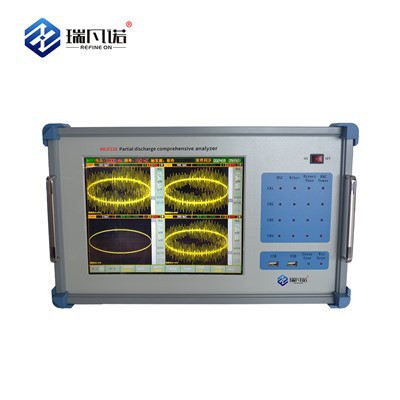
First things first, let’s talk about why you’d even want to do continuous monitoring in the first place. Power quality issues can be a real pain in the you-know-what. They can cause all sorts of problems, like equipment failures, data loss, and even increased energy costs. By continuously monitoring your power quality, you can catch these issues early on and take steps to fix them before they turn into major headaches.
Alright, now that we’ve got the why out of the way, let’s get into the how. Setting up a power quality analyzer for continuous monitoring might seem a bit daunting at first, but it’s actually not that complicated. Here’s what you need to do:
Step 1: Choose the Right Analyzer
The first step in setting up a power quality analyzer for continuous monitoring is to choose the right one for your needs. There are a lot of different analyzers out there, each with its own set of features and capabilities. You’ll want to consider things like the types of power quality parameters you want to monitor, the sampling rate, the data storage capacity, and the communication options.
If you’re not sure which analyzer is right for you, don’t worry. That’s what we’re here for. We can help you figure out exactly what you need and recommend the best analyzer for your situation. Just give us a call or shoot us an email, and we’ll be happy to assist you.
Step 2: Install the Analyzer
Once you’ve chosen the right analyzer, it’s time to install it. The installation process can vary depending on the type of analyzer you have and the location where you’re installing it. In general, though, there are a few basic steps you’ll need to follow:
- Choose a Location: The first thing you’ll need to do is choose a location for your analyzer. You’ll want to choose a location that’s close to the power source you want to monitor and that’s easily accessible for maintenance and troubleshooting. You’ll also want to make sure the location is free from excessive heat, moisture, and vibration.
- Mount the Analyzer: Once you’ve chosen a location, you’ll need to mount the analyzer. Most analyzers come with mounting brackets or other hardware that you can use to attach the analyzer to a wall, a panel, or other surface. Make sure you follow the manufacturer’s instructions carefully when mounting the analyzer to ensure it’s installed securely.
- Connect the Analyzer: After you’ve mounted the analyzer, you’ll need to connect it to the power source you want to monitor. This usually involves connecting the analyzer to the electrical system using voltage and current sensors. Make sure you follow the manufacturer’s instructions carefully when connecting the analyzer to ensure it’s connected correctly and safely.
- Configure the Analyzer: Once you’ve connected the analyzer to the power source, you’ll need to configure it. This usually involves setting up the analyzer’s parameters, such as the measurement range, the sampling rate, and the data storage settings. You’ll also need to set up the analyzer’s communication options, such as Ethernet, Wi-Fi, or cellular. Make sure you follow the manufacturer’s instructions carefully when configuring the analyzer to ensure it’s configured correctly and can communicate with your monitoring system.
Step 3: Set Up the Monitoring System
Once you’ve installed and configured the analyzer, it’s time to set up the monitoring system. The monitoring system is the software that allows you to view and analyze the data collected by the analyzer. There are a lot of different monitoring systems out there, each with its own set of features and capabilities. You’ll want to choose a monitoring system that’s easy to use, provides real-time data, and allows you to generate reports and alerts.
If you’re not sure which monitoring system is right for you, don’t worry. That’s what we’re here for. We can help you figure out exactly what you need and recommend the best monitoring system for your situation. Just give us a call or shoot us an email, and we’ll be happy to assist you.
Step 4: Start Monitoring
Once you’ve set up the analyzer and the monitoring system, it’s time to start monitoring. The analyzer will start collecting data on the power quality parameters you’ve chosen to monitor, and the monitoring system will display the data in real-time. You can use the monitoring system to view the data, generate reports, and set up alerts.
It’s important to note that continuous monitoring is an ongoing process. You’ll need to regularly check the data collected by the analyzer and take action if you notice any issues. This might involve adjusting the settings on your electrical equipment, performing maintenance on your electrical system, or contacting an electrician.
Step 5: Maintain the Analyzer and the Monitoring System
Finally, it’s important to maintain the analyzer and the monitoring system. This involves regularly checking the analyzer for any signs of damage or wear, calibrating the analyzer as needed, and updating the monitoring system software. By maintaining the analyzer and the monitoring system, you can ensure that they continue to work properly and provide accurate data.
So, there you have it. That’s how you set up a power quality analyzer for continuous monitoring. It might seem like a lot of work, but it’s definitely worth it. By continuously monitoring your power quality, you can catch issues early on and take steps to fix them before they turn into major headaches.
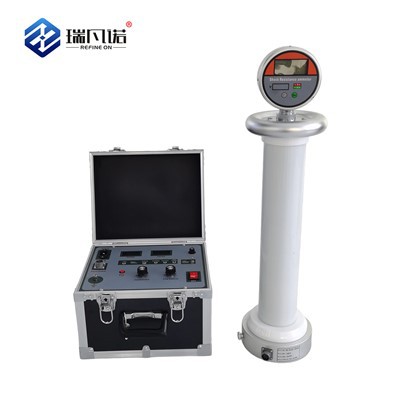
If you have any questions or need help setting up your power quality analyzer, don’t hesitate to contact us. We’re a power quality analyzer supplier, and we’re here to help. Whether you need advice on choosing the right analyzer, help with installation and configuration, or support with your monitoring system, we’ve got you covered. Just reach out to us, and we’ll work with you to find the best solution for your needs.
Transformer Tester Let’s work together to keep your power quality in check and your operations running smoothly. Don’t let power quality issues disrupt your business. Contact us today to start the conversation about purchasing the perfect power quality analyzer for your continuous monitoring requirements.
References
- Power Quality Handbook, McGraw – Hill
- Electrical Power Systems Quality, John Wiley & Sons
Refine On (Hebei) Electric Power Technology Co., Ltd.
Refine On (Hebei) Electric Power Technology Co., Ltd. is one of the most reliable power quality analyzer manufacturers and suppliers in China, also supports customized service. Please feel free to wholesale advanced power quality analyzer at competitive price from our factory. Contact us for quotation.
Address: Building 13, Liandong U Valley, No.64, Jing SAN South Street, Economic Development Zone, Mancheng District, Baoding City, China
E-mail: victor@transformer-test.com
WebSite: https://www.transformer-test.com/
