As a supplier of insulation vacuum bags, I’ve often been asked about the concept of transparency in these specialized products. Transparency in the context of insulation vacuum bags isn’t merely about the physical property of being see – through; it encompasses multiple dimensions, from material clarity to information disclosure and product performance transparency. Insulation Vacuum Bag
Physical Transparency of Insulation Vacuum Bags
Let’s first delve into the physical aspect of transparency. Some insulation vacuum bags are made with materials that offer a certain degree of visual clarity. This physical transparency is crucial for several reasons. In industrial applications, it allows operators to visually inspect the contents inside the bag during the vacuuming process. For instance, in the aerospace industry, when composite materials are being cured inside an insulation vacuum bag, engineers can monitor the resin flow and the position of the reinforcement layers without opening the bag. This real – time visual inspection helps in ensuring the quality of the final product.
The choice of materials for achieving physical transparency is a delicate balance. Polyethylene terephthalate (PET) and polycarbonate are two commonly used polymers. PET is known for its excellent clarity, high strength, and good chemical resistance. It can withstand the high temperatures often associated with insulation processes. Polycarbonate, on the other hand, offers even better impact resistance and optical transparency, but it is generally more expensive.
However, the physical transparency also has its limitations. In some cases, the insulation materials inside the bag can obscure the view. Additionally, over time, exposure to high temperatures and chemicals may cause the bag’s material to become cloudy or brittle, reducing its transparency.
Transparency in Product Information
Beyond the physical appearance, transparency in product information is equally important. As a supplier, I understand that customers need detailed and accurate information about the insulation vacuum bags they are purchasing. This includes the bag’s material composition, thickness, temperature resistance, and vacuum performance.
Material composition is a fundamental piece of information. Different polymers and additives used in the bag can affect its properties. For example, a bag with a high percentage of nylon may have better puncture resistance, while a silicone – coated bag can offer enhanced heat resistance. By providing this information, customers can make informed decisions based on their specific application requirements.
Thickness is another critical factor. A thicker bag generally offers better insulation and durability, but it may also be more expensive and less flexible. We provide detailed thickness specifications, along with guidelines on how to choose the appropriate thickness for different insulation tasks.
Temperature resistance is a key consideration, especially in high – temperature insulation applications. Our insulation vacuum bags are designed to withstand a wide range of temperatures, from cryogenic conditions to several hundred degrees Celsius. By clearly stating the temperature limits, we help customers avoid using the bags in inappropriate environments, which could lead to product failure.
Vacuum performance is also a vital piece of information. We provide data on the bag’s ability to maintain a vacuum over time, including the maximum vacuum level it can achieve and the rate of vacuum decay. This information is crucial for applications where a stable vacuum is essential, such as in food preservation or scientific experiments.
Transparency in Manufacturing Processes
In addition to product information, transparency in manufacturing processes is becoming increasingly important to customers. As a supplier, we are committed to being open about how our insulation vacuum bags are made.
We start with the sourcing of raw materials. We work with trusted suppliers who adhere to strict quality standards. By disclosing our raw material sources, we give customers confidence in the quality and safety of our products.
During the manufacturing process, we implement rigorous quality control measures. Our production facilities are equipped with state – of – the – art equipment and are staffed by highly trained technicians. We use advanced manufacturing techniques, such as extrusion and lamination, to ensure the consistency and quality of our bags. We are also open to sharing our manufacturing processes with customers, including the steps involved in bag production, the quality control checks at each stage, and the testing methods we use.
For example, we conduct regular tests on the bags’ mechanical properties, such as tensile strength and tear resistance. We also test the bags’ insulation performance under different conditions. By providing this information, we demonstrate our commitment to producing high – quality insulation vacuum bags.
Transparency in Pricing and Contracts
Pricing transparency is a significant concern for customers. We believe in being upfront about our pricing structure. We provide detailed price lists that include the cost of the bags, shipping fees, and any additional charges. We also offer volume – based discounts, and we are transparent about the discount thresholds.
In addition to pricing, contract transparency is also important. Our contracts are clear and easy to understand. We outline the terms and conditions, including the delivery schedule, payment terms, and warranty information. We are always willing to discuss and negotiate the contract terms with our customers to ensure that both parties are satisfied.
The Benefits of Transparency for Customers and Suppliers
Transparency in insulation vacuum bags offers numerous benefits for both customers and suppliers. For customers, it provides peace of mind. They can make informed decisions based on accurate information, reducing the risk of product failure and costly mistakes. Transparency also allows customers to compare different products and suppliers more effectively, enabling them to choose the best option for their needs.
For suppliers, transparency builds trust with customers. When customers have access to detailed information about the products, manufacturing processes, and pricing, they are more likely to develop long – term relationships with the supplier. This can lead to increased customer loyalty and repeat business. Additionally, transparency can help suppliers identify areas for improvement. By being open about their processes and products, suppliers can receive feedback from customers and make necessary adjustments to enhance the quality of their offerings.
Encouraging Contact for Purchase and Negotiation
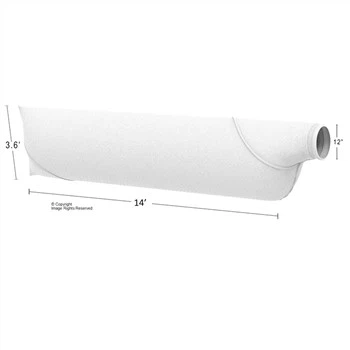
If you are in the market for high – quality insulation vacuum bags, I encourage you to reach out to us. Whether you have questions about the physical transparency of our bags, need detailed product information, or want to discuss pricing and contract terms, our team of experts is ready to assist you. We understand that every customer has unique requirements, and we are committed to providing customized solutions.
PP Woven Insulation Vacuum Bag Don’t hesitate to contact us for a free consultation. We can help you choose the right insulation vacuum bag for your specific application and provide you with a competitive quote. Let’s work together to meet your insulation needs.
References
- "Polymer Materials for Packaging Applications", Polymer Science Journal, 2018.
- "Advanced Insulation Technologies", Insulation Research Institute, 2020.
- "Quality Control in Vacuum Bag Manufacturing", Manufacturing Quality Review, 2019.
Xiantao Yunhua Protective Products Co., Ltd
We’re professional insulation vacuum bag manufacturers and suppliers in China, specialized in providing high quality customized products. We warmly welcome you to buy high-grade insulation vacuum bag made in China here from our factory. For free sample, contact us now.
Address: Xinpan Road, Yanglinwei Town, Xiantao City, Hubei, China
E-mail: dean@yunhuaprotective.com
WebSite: https://www.yunhua-protective.com/
