As a supplier of refrigeration units, I’ve encountered numerous customers who are concerned about whether their refrigeration units are low on refrigerant. This is a crucial issue because a refrigerant shortage can lead to inefficient cooling, increased energy consumption, and even permanent damage to the unit. In this blog, I’ll share some key indicators that can help you determine if your refrigeration unit is running low on refrigerant. Refrigeration Unit
1. Temperature Fluctuations
One of the most obvious signs that your refrigeration unit might be low on refrigerant is inconsistent temperature. A properly functioning unit should maintain a relatively stable temperature within the set range. If you notice that the temperature inside the refrigerator or freezer is fluctuating significantly, it could be a sign of a refrigerant problem.
For example, if the unit is supposed to keep the temperature at 38°F (3°C) in the refrigerator compartment, but you find that it’s regularly rising to 45°F (7°C) or dropping to 32°F (0°C), there’s likely an issue. The refrigerant is responsible for absorbing heat from the interior of the unit and transferring it outside. When the refrigerant level is low, it can’t perform this function effectively, resulting in temperature variations.
2. Longer Cooling Cycles
Refrigeration units have a normal cycle time for cooling. This cycle is the period during which the compressor runs to cool the interior of the unit and then shuts off once the desired temperature is reached. If you notice that your unit is running for longer periods than usual, it could be a sign of low refrigerant.
When there’s less refrigerant, the compressor has to work harder and longer to achieve the same level of cooling. This is because the reduced amount of refrigerant can’t absorb and transfer heat as efficiently as it should. For instance, if your unit typically runs for 15 – 20 minutes per hour and then shuts off, but now it’s running continuously for 30 minutes or more, it’s time to investigate the refrigerant level.
3. Frost or Ice Build – Up
Another tell – tale sign of low refrigerant is abnormal frost or ice build – up on the evaporator coils. The evaporator coils are where the refrigerant absorbs heat from the interior of the unit. When the refrigerant level is low, the pressure in the evaporator drops, causing the temperature of the coils to become extremely cold. This can lead to excessive frost or ice formation.
You might notice a thick layer of ice on the back wall of the freezer or on the evaporator coils themselves. In some cases, the ice can be so thick that it starts to block the air circulation in the unit, further reducing its cooling efficiency. If you see frost or ice that wasn’t there before or that’s more extensive than normal, it could be due to a low refrigerant level.
4. Higher Energy Bills
A low refrigerant level can cause your refrigeration unit to consume more energy. As mentioned earlier, when there’s less refrigerant, the compressor has to work harder and run for longer periods to maintain the desired temperature. This increased workload translates into higher energy consumption.
If you’ve noticed a significant increase in your energy bills without any other obvious changes in your usage patterns, it could be related to your refrigeration unit. Compare your current energy bills with those from the same period in previous years. If there’s a substantial difference, it’s worth checking the refrigerant level in your unit.
5. Audible Noises
Unusual noises coming from your refrigeration unit can also indicate a low refrigerant level. When the refrigerant is low, the compressor may start to make strange noises. This is because it’s under more stress and may not be operating as smoothly as it should.
You might hear rattling, buzzing, or hissing sounds. The rattling could be due to loose components as the compressor struggles to work with a low refrigerant supply. The buzzing sound may be a sign that the compressor is overheating or having difficulty maintaining the correct pressure. And the hissing sound could indicate a refrigerant leak, which is often the cause of low refrigerant levels.
6. Poor Airflow
Proper airflow is essential for the efficient operation of a refrigeration unit. The refrigerant helps to cool the air, which is then circulated throughout the unit. When the refrigerant level is low, the cooling process is less effective, and the airflow may be reduced.
You can check for poor airflow by feeling the vents in the refrigerator or freezer. If the air coming out of the vents is weak or warm, it could be a sign of low refrigerant. Additionally, if you notice that food items in the unit aren’t cooling evenly, it may be due to restricted airflow caused by a refrigerant problem.
7. Visible Leaks
In some cases, you may be able to see a refrigerant leak. Refrigerant is usually a clear liquid or gas, but it can sometimes leave behind oily residue or a white, powdery substance near the leak point. Check around the refrigerant lines, valves, and connections for any signs of leakage.
If you find a leak, it’s important to address it immediately. Not only does a leak cause the refrigerant level to drop, but it can also be harmful to the environment. Some refrigerants are known to contribute to ozone depletion and global warming.
What to Do if You Suspect Low Refrigerant
If you’ve noticed any of the above signs, it’s important to take action. First, you can try to troubleshoot the issue yourself by checking for visible leaks and ensuring that the unit is properly ventilated. However, refrigerant handling is a complex and potentially dangerous task. It’s best to contact a professional technician who is trained to work with refrigeration systems.
A technician will use specialized equipment to measure the refrigerant pressure and determine if the level is low. If it is, they can safely recharge the unit with the appropriate amount of refrigerant. They can also identify and repair any leaks to prevent future refrigerant loss.
Why Choose Our Refrigeration Units
At our company, we understand the importance of reliable refrigeration. Our units are designed with high – quality components and advanced technology to ensure efficient and long – lasting performance. We use only the best refrigerants that are environmentally friendly and comply with all relevant regulations.
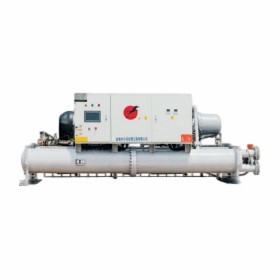
Our team of experts is always available to provide support and advice. Whether you’re a small business owner looking for a compact refrigeration unit or a large commercial establishment in need of a high – capacity system, we have the right solution for you.
Refrigeration Unit If you’re in the market for a new refrigeration unit or need to service your existing one, don’t hesitate to contact us. We can help you choose the right unit for your needs, provide installation services, and offer ongoing maintenance to keep your unit running smoothly.
References
- ASHRAE Handbook: Refrigeration. American Society of Heating, Refrigerating and Air – Conditioning Engineers.
- Refrigeration and Air Conditioning Technology by William C. Whitman, William M. Johnson, and John A. Tomczyk.
Yancheng Lima Air Conditioning Engineering Co., Ltd.
As one of the leading refrigeration unit manufacturers and suppliers in China, we warmly welcome you to buy discount refrigeration unit for sale here and get quotation from our factory. Quality products and low price are available.
Address: No. 99, Xinyuan Road, Yannan High-tech Zone, Yancheng City
E-mail: yclima@yclima.com
WebSite: https://www.limakt.com/
