Running a small indoor playground is an exciting venture, but it also comes with its fair share of challenges. One of the most crucial aspects of managing such a business is handling customer complaints effectively. As a supplier for small indoor playgrounds, I’ve witnessed firsthand the impact that well – managed complaints can have on a business’s success. In this blog, I’ll share some strategies and best practices for handling customer complaints in a small indoor playground. Small Indoor Playground

Understanding the Importance of Handling Complaints
Customer complaints are not just nuisances; they are opportunities. When a customer takes the time to voice a concern, it means they care about the experience and expect better. Ignoring complaints can lead to negative word – of – mouth, decreased customer loyalty, and ultimately, a loss of business. On the other hand, addressing complaints effectively can turn dissatisfied customers into loyal advocates.
According to a study by Harvard Business Review, customers who have their complaints resolved quickly and to their satisfaction are more likely to do business with the company again and may even spend more in the future. In the context of a small indoor playground, this could mean repeat visits, positive reviews on social media, and recommendations to friends and family.
Creating a Welcoming Environment for Complaints
The first step in handling customer complaints is to create an environment where customers feel comfortable sharing their concerns. This starts with training your staff to be approachable and empathetic. Staff members should be encouraged to listen actively to customers, make eye contact, and show that they value the customer’s input.
In the small indoor playground, you can also set up a dedicated area or a suggestion box where customers can leave their feedback. Make sure to check these regularly and respond promptly. Additionally, having a clear and visible complaints policy can give customers confidence that their concerns will be taken seriously.
Active Listening
When a customer approaches you with a complaint, the most important thing is to listen actively. This means giving them your full attention, not interrupting, and asking clarifying questions. For example, if a parent complains that the play equipment is too dirty, you might ask, "Can you tell me which specific pieces of equipment you’re referring to?" or "When did you notice the dirt?"
Active listening not only helps you understand the problem better but also makes the customer feel heard. It shows that you respect their opinion and are committed to finding a solution.
Empathizing with the Customer
Empathy is a powerful tool in handling complaints. Put yourself in the customer’s shoes and try to understand how they feel. If a child is disappointed because a particular ride is out of order, acknowledge their disappointment. You could say, "I understand how frustrating it must be for your child not to be able to enjoy the ride. We’re working on getting it fixed as soon as possible."
By showing empathy, you build a connection with the customer and make them more likely to be receptive to your solutions.
Investigating the Complaint
Once you’ve listened to the customer and empathized with them, it’s time to investigate the complaint. This might involve checking the play equipment, talking to other staff members, or reviewing security footage. For instance, if a customer claims that their child was pushed by another child, you can review the security cameras to get a clear picture of what happened.
It’s important to be thorough in your investigation. This not only helps you find the root cause of the problem but also shows the customer that you’re taking their complaint seriously.
Offering Solutions
After investigating the complaint, it’s time to offer solutions. The solutions should be tailored to the specific complaint. If the issue is dirty play equipment, you could offer a free pass for a future visit or a discount on the current visit while you clean the equipment. If a ride is out of order, you could provide a refund or a voucher for a future visit.
When offering solutions, make sure to explain the steps you’re taking to prevent the problem from happening again. For example, if the dirty equipment was due to a lack of regular cleaning, you could say, "We’ve adjusted our cleaning schedule to ensure that all the play equipment is cleaned more frequently."
Following Up
Once you’ve offered a solution, it’s important to follow up with the customer. This shows that you’re committed to their satisfaction. You can follow up via email, phone, or in person. Ask the customer if they’re happy with the solution and if there’s anything else you can do for them.
Following up also gives you an opportunity to gather more feedback and improve your services. If the customer has additional suggestions, you can take them into account and make the necessary changes.
Training Your Staff
Your staff is on the front line when it comes to handling customer complaints. Therefore, it’s essential to provide them with proper training. Training should include active listening skills, empathy training, and problem – solving techniques.
You can conduct regular training sessions to keep your staff updated on the latest best practices. Role – playing exercises can be particularly effective in helping staff members practice handling different types of complaints.
Using Customer Complaints as a Learning Opportunity
Every customer complaint is a chance to learn and improve your business. Analyze the complaints you receive regularly to identify patterns. For example, if you notice that many customers are complaining about the lack of seating in the waiting area, you can consider adding more seats.
By using customer complaints as a learning opportunity, you can continuously improve the quality of your services and enhance the customer experience.
Communicating with Your Supplier
As a small indoor playground supplier, I understand the importance of a strong partnership between the playground operator and the supplier. If a customer complaint is related to the play equipment, such as a malfunction or a safety issue, it’s crucial to communicate with the supplier promptly.
The supplier can provide technical support, replacement parts, or even advice on how to prevent similar issues in the future. Maintaining open communication with the supplier can help resolve complaints more efficiently and ensure the long – term success of the indoor playground.
Conclusion
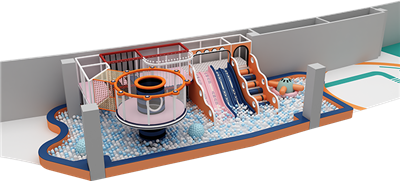
Handling customer complaints in a small indoor playground is a critical skill that can make or break your business. By creating a welcoming environment for complaints, actively listening to customers, empathizing with them, investigating the issues, offering solutions, following up, training your staff, and using complaints as a learning opportunity, you can turn dissatisfied customers into loyal fans.
Extreme Trampoline If you’re in the process of setting up or improving a small indoor playground, I’d love to discuss how our products and services can meet your needs. We offer a wide range of high – quality play equipment, safety solutions, and maintenance services. Contact us to start a conversation about how we can help you create a fun and safe environment for your customers.
References
- Harvard Business Review. "The Economics of Customer Experience."
- Various industry reports on customer service in the entertainment and leisure sector.
Guangzhou Playpedia Amusement Co., Ltd.
Guangzhou Playpedia Amusement Co., Ltd. is one of the leading small indoor playground manufacturers and suppliers in China. We warmly welcome you to buy discount small indoor playground from our factory. All customized products are with high quality and competitive price.
Address: No. 26, Diyong Village Section, Haiyong Road, Shiji Town, Panyu District, Guangzhou, China
E-mail: sales2@playpedia.cn
WebSite: https://www.playpediapark.com/
