Yo, folks! As a braking resistor supplier, I’ve been getting a lot of questions about electromagnetic compatibility (EMC) lately. So, I thought I’d take a few minutes to break it down and explain what it means for our braking resistors. Braking Resistor
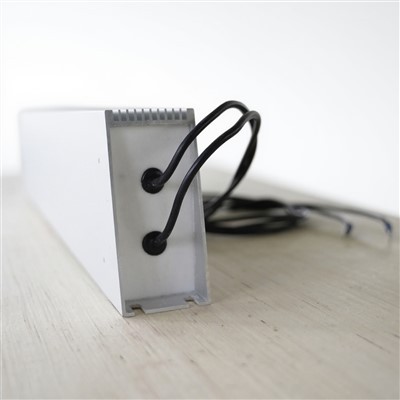
First off, let’s talk about what electromagnetic compatibility is. In a nutshell, EMC is all about how well different electrical and electronic devices can operate together without causing interference. You know how sometimes your radio gets all staticky when you’re near a power line? That’s an example of electromagnetic interference (EMI), and it’s the kind of thing EMC aims to prevent.
Now, when it comes to braking resistors, EMC is super important. Braking resistors are used in a wide range of applications, from industrial machinery to electric vehicles. In these applications, there are often a lot of other electrical components nearby, and if the braking resistor isn’t designed with EMC in mind, it can cause problems.
For example, let’s say you have a braking resistor in an industrial machine. If the resistor generates a lot of electromagnetic noise, it could interfere with the operation of other sensors or control systems in the machine. This could lead to malfunctions, inaccurate readings, or even safety hazards.
So, how do we make sure our braking resistors are EMC-compliant? Well, it all starts with the design. We use high-quality materials and advanced manufacturing techniques to minimize electromagnetic emissions. We also pay close attention to the layout and grounding of the resistor to reduce the risk of interference.
Another important factor is testing. Before we ship any of our braking resistors, we put them through a series of rigorous EMC tests. These tests simulate real-world conditions and measure the electromagnetic emissions of the resistor. If the resistor doesn’t meet the required EMC standards, we go back to the drawing board and make the necessary improvements.
But it’s not just about meeting the minimum standards. We also strive to exceed them. We know that our customers rely on our braking resistors to operate safely and efficiently, and we want to make sure they’re getting the best possible product. That’s why we invest in research and development to continuously improve our EMC performance.
In addition to designing and testing our braking resistors for EMC, we also provide our customers with support and guidance. We can help them choose the right resistor for their application, and we can offer advice on how to install and use the resistor to minimize electromagnetic interference.
So, if you’re in the market for a braking resistor, it’s important to consider EMC. By choosing a braking resistor that’s designed and tested for EMC compliance, you can ensure that your equipment operates smoothly and reliably.
Now, I know what you’re thinking. "This all sounds great, but how do I know if your braking resistors are right for me?" Well, that’s where I come in. I’m here to answer any questions you might have and help you find the perfect braking resistor for your application. Whether you’re looking for a resistor for a small electric vehicle or a large industrial machine, I’ve got you covered.
So, if you’re interested in learning more about our braking resistors or if you have any questions about EMC, don’t hesitate to reach out. We’re always happy to chat and help you find the right solution for your needs.

In conclusion, electromagnetic compatibility is a crucial aspect of braking resistor design. By ensuring that our braking resistors are EMC-compliant, we can help our customers avoid costly downtime and ensure the safe and efficient operation of their equipment. If you’re in the market for a braking resistor, give us a call or send us an email. We’d love to hear from you and help you find the perfect solution for your application.
Resistor Cabinet References:
- "Electromagnetic Compatibility Handbook" by Henry W. Ott
- "EMC for Product Designers" by Tim Williams
- "Electromagnetic Interference and Compatibility" by Clayton R. Paul
Shandong Xinlianxing Electric Co., Ltd.
As one of the most professional braking resistor manufacturers and suppliers in China, we’re featured by cheap products and good service. Please rest assured to wholesale customized braking resistor at competitive price from our factory. Contact us for quotation.
Address: Middle section of West Ring Road, Qingyun County, Dezhou City, Shandong Province
E-mail: xinlianxingee@gmail.com
WebSite: https://www.xinlianxingee.com/
