Are Electric Pellet Trucks Environmentally Friendly?
As a supplier of electric pellet trucks, I often get asked one pivotal question: Are electric pellet trucks environmentally friendly? Well, the short answer is a resounding yes. However, like most things in life, the long – form answer requires a deeper dive. Electric Pellet Truck

A Comparative Analysis: Traditional vs. Electric Pellet Trucks
Traditional pellet trucks are typically powered by diesel engines. Diesel engines are known for their high energy density, which allows them to carry heavy loads over long distances. But this power comes at a cost. Diesel combustion releases a significant amount of greenhouse gases (GHGs), such as carbon dioxide (CO2), methane (CH4), and nitrous oxide (N2O). These gases trap heat in the Earth’s atmosphere, contributing to global warming and climate change.
In addition to GHGs, diesel engines also emit particulate matter (PM), nitrogen oxides (NOx), and sulfur dioxide (SO2). PM can penetrate deep into the lungs and cause respiratory problems, while NOx and SO2 can react with other chemicals in the atmosphere to form smog and acid rain.
On the other hand, electric pellet trucks run on electricity. When charged with clean energy sources like solar, wind, or hydro – power, they produce zero tailpipe emissions. This means no release of GHGs, PM, NOx, or SO2 during operation. Even when the electricity comes from a grid that uses fossil fuels, electric vehicles (EVs) are generally still more energy – efficient and less polluting than their diesel counterparts.
Energy Efficiency
One of the key factors in determining environmental friendliness is energy efficiency. Electric motors are far more efficient than internal combustion engines (ICEs). In an ICE, a large amount of the energy produced from burning fuel is lost as heat, with the average efficiency of a diesel engine hovering around 30 – 40%. In contrast, electric motors can convert up to 90% of the electrical energy they receive into mechanical energy to power the vehicle.
This high efficiency means that electric pellet trucks can travel further on the same amount of energy compared to diesel trucks. For businesses that rely on pellet transport, this not only reduces the environmental impact but also cuts down on operational costs in the long run.
Battery Technology and Its Environmental Implications
A major concern when evaluating the environmental friendliness of electric pellet trucks is the battery. Lithium – ion batteries, which are commonly used in EVs, have some environmental challenges associated with their production and disposal.
The extraction of lithium, cobalt, and other minerals used in these batteries can lead to habitat destruction, water pollution, and soil degradation in mining areas. Additionally, improper disposal of batteries can release toxic chemicals into the environment.
However, the industry is quickly evolving to address these issues. Recycling initiatives for lithium – ion batteries are on the rise, with many companies working on technologies to recover valuable materials from old batteries. Moreover, research is underway to develop more sustainable battery chemistries that use less – scarce and less – toxic materials.
Noise Pollution
Another significant environmental benefit of electric pellet trucks is the reduction of noise pollution. Diesel engines are notoriously loud, especially when they are working under heavy loads. In a warehouse setting or a residential area where pellet trucks are operating, this noise can be a nuisance for workers and nearby residents.
Electric pellet trucks, on the other hand, operate much more quietly. The smooth and silent operation of electric motors not only creates a more pleasant working environment but also reduces the impact on the surrounding community.
Life – Cycle Assessment
To truly understand the environmental friendliness of electric pellet trucks, we need to conduct a life – cycle assessment (LCA). An LCA takes into account all the environmental impacts associated with a product from its raw material extraction, manufacturing, use, and finally, disposal or recycling.
When it comes to electric pellet trucks, the initial manufacturing phase, especially battery production, does have an environmental footprint. However, during the use phase, the lack of tailpipe emissions and high energy efficiency more than compensate for the initial impact. Over the entire life cycle, electric pellet trucks generally have a lower carbon footprint compared to diesel trucks.
The Role of Renewable Energy
The environmental friendliness of electric pellet trucks is closely linked to the source of electricity used to charge them. If the electricity comes from coal – fired power plants, the overall environmental benefits are diminished. But as the world shifts towards renewable energy sources, the potential for electric pellet trucks to be truly green becomes even greater.
Many businesses that use electric pellet trucks are also investing in on – site renewable energy generation, such as solar panels. By charging their trucks with self – generated clean energy, they can further reduce their carbon footprint and contribute to a more sustainable future.
Economic and Environmental Incentives
Governments around the world are recognizing the environmental benefits of electric vehicles and are offering various incentives to promote their adoption. These incentives can include tax credits, rebates, and access to restricted areas. For businesses considering purchasing electric pellet trucks, these incentives can significantly offset the initial higher cost of the vehicles.
In addition to government incentives, the long – term cost savings from lower energy and maintenance costs make electric pellet trucks an attractive option from an economic perspective. With fewer moving parts compared to diesel engines, electric trucks generally require less maintenance, which translates to lower downtime and repair costs.
Conclusion
In conclusion, electric pellet trucks are indeed environmentally friendly. They offer significant advantages over traditional diesel trucks in terms of reducing greenhouse gas emissions, air pollution, and noise pollution. While there are some challenges associated with battery production and disposal, the industry is making great strides in addressing these issues.
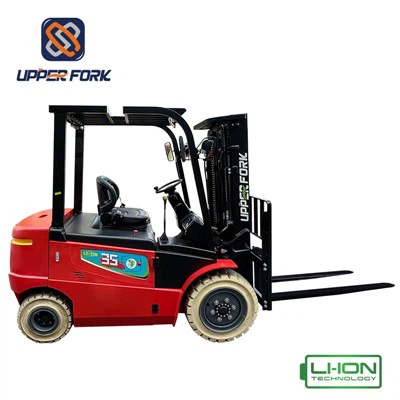
As a supplier of electric pellet trucks, I am committed to promoting sustainable transportation solutions. Our electric pellet trucks are designed to offer high – performance, reliability, and, most importantly, environmental friendliness. Whether you are a small – scale logistics company or a large – industrial operation, our range of electric pellet trucks can meet your specific needs.
Manual Pallet Truck If you are interested in learning more about our electric pellet trucks or are considering making the switch to a more environmentally friendly transportation option, I encourage you to reach out. We would be more than happy to discuss your requirements and provide you with detailed information on our products. Let’s work together to create a cleaner, greener future.
References
- International Energy Agency. (2023). Global EV Outlook.
- The Union of Concerned Scientists. (2022). State of Charge: Electric Vehicles’ Global Warming Emissions and Fuel Costs Across the United States.
- European Environment Agency. (2023). Air quality in Europe – 2023 report.
Upper Fork Group
We’re well-known as one of the leading electric pellet truck manufacturers and suppliers in China. Please feel free to wholesale high quality electric pellet truck for sale here from our factory. Contact us for more details.
Address: Ma ‘anshan City, Anhui province Zhengpu port new comprehensive protection zone
E-mail: leoforklifts@gmail.com
WebSite: https://www.upperforklift.com/
